
2017
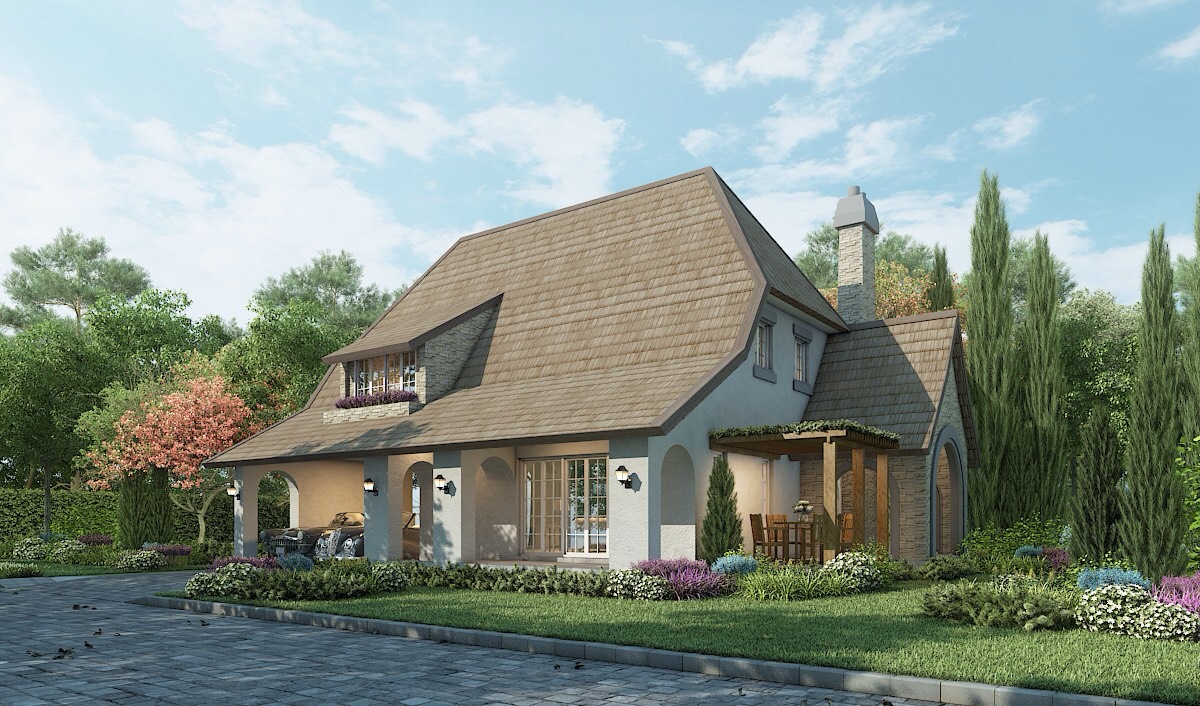
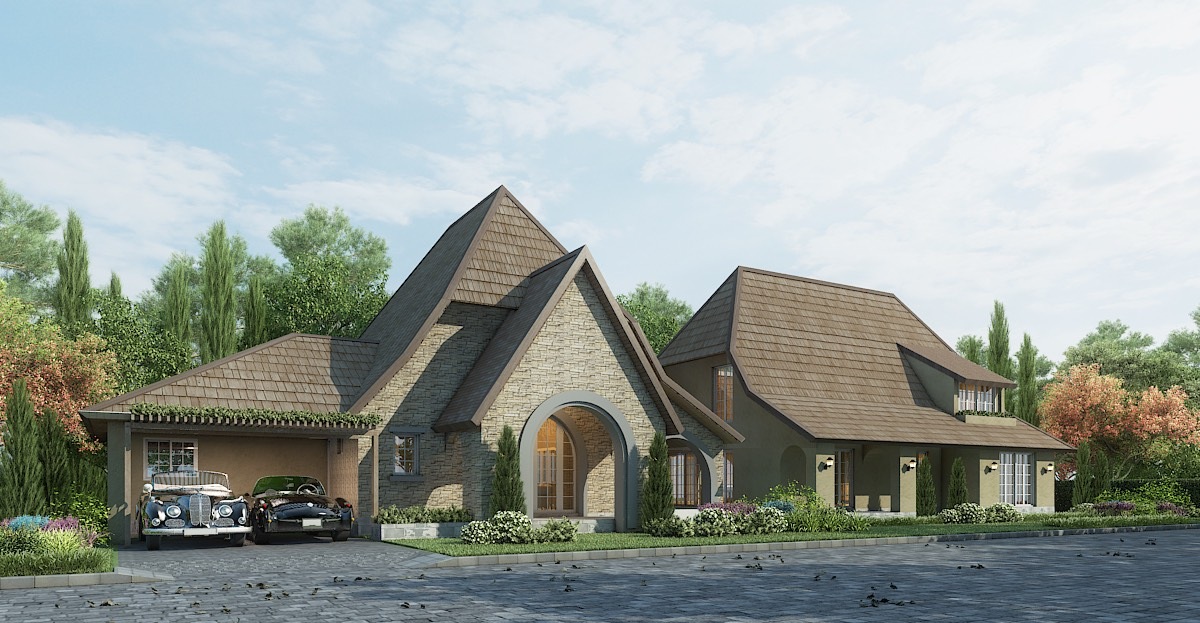
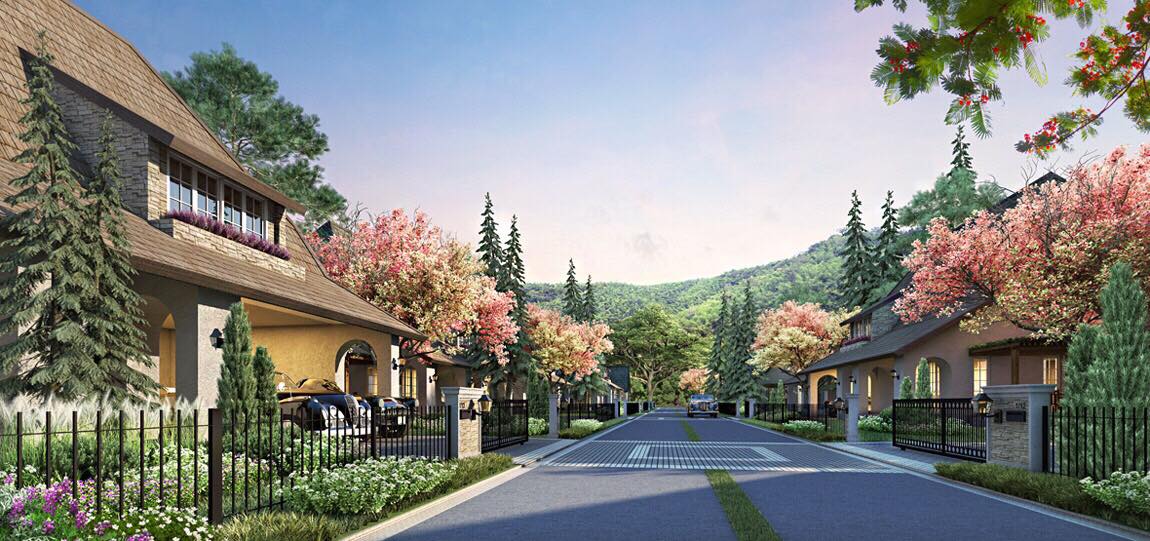
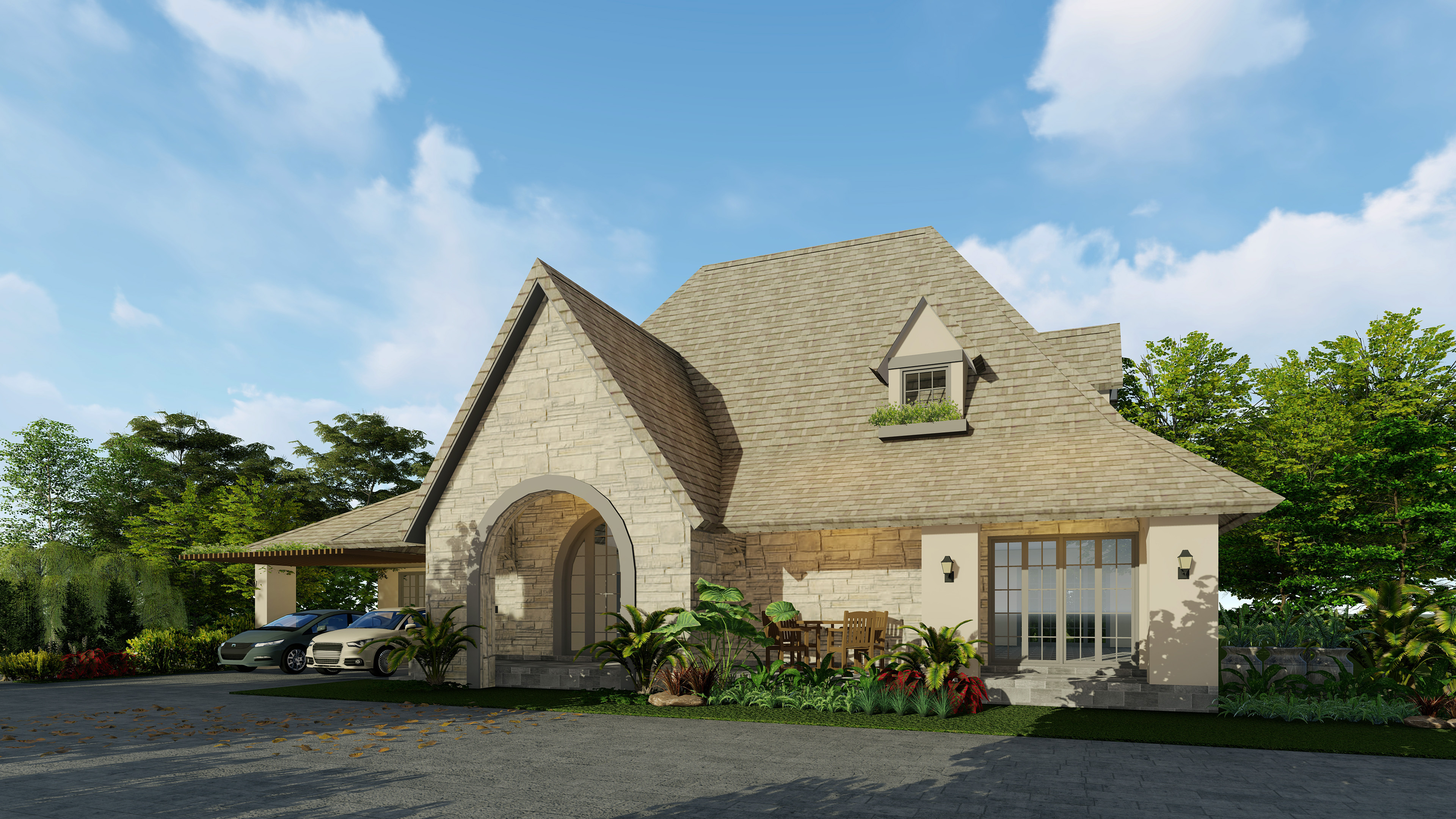
Chomchon Fusinpaiboon collaborated with BE-Workshop in this project exploring a way to design a “European Style” vacation houses that are suitable for tropical climate.
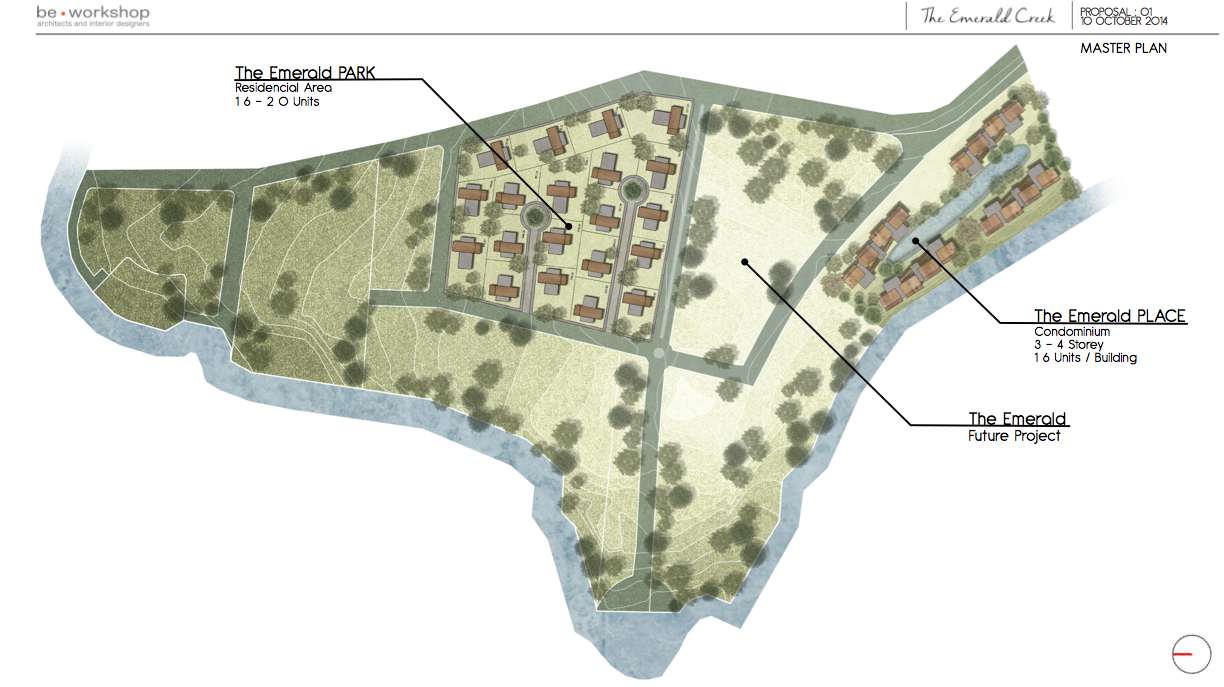
This project started in 2017, when a client commissioned us to design a vacation housing in Muak Lek, a beautiful countryside in a valley 160 kilometre from Bangkok. We initially conceptualised the project as a complex of modernist villas with open plans, large openings, cosy indoor space, and airy semi-outdoor space that would allow the residents to enjoy nice atmosphere and scenery, while providing them comfort shelters from tropical climate. During preliminary design, we proposed lay outs and plans, as well as images of “moods and tones” as follows:
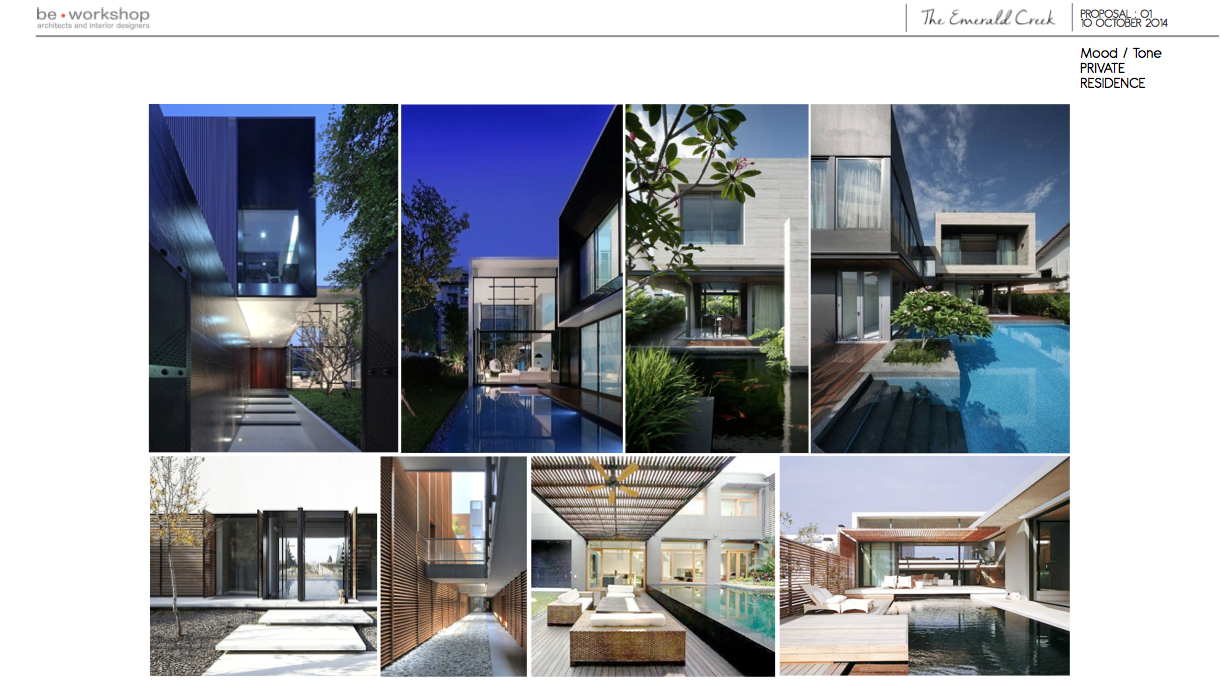
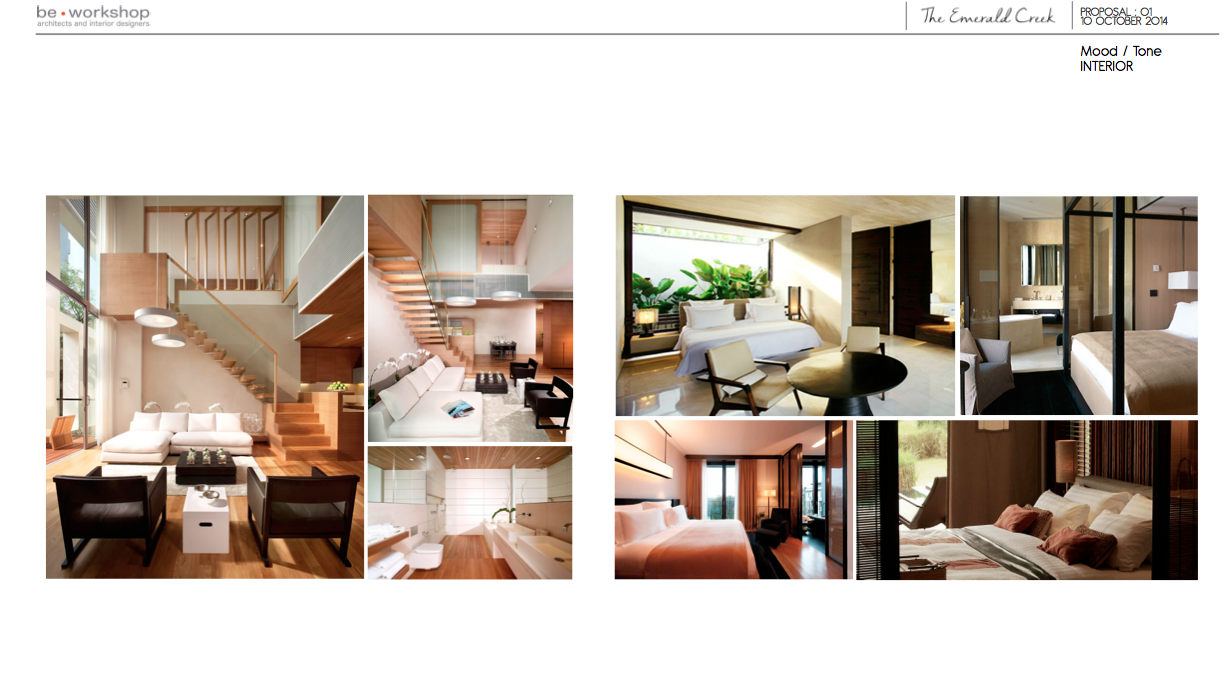
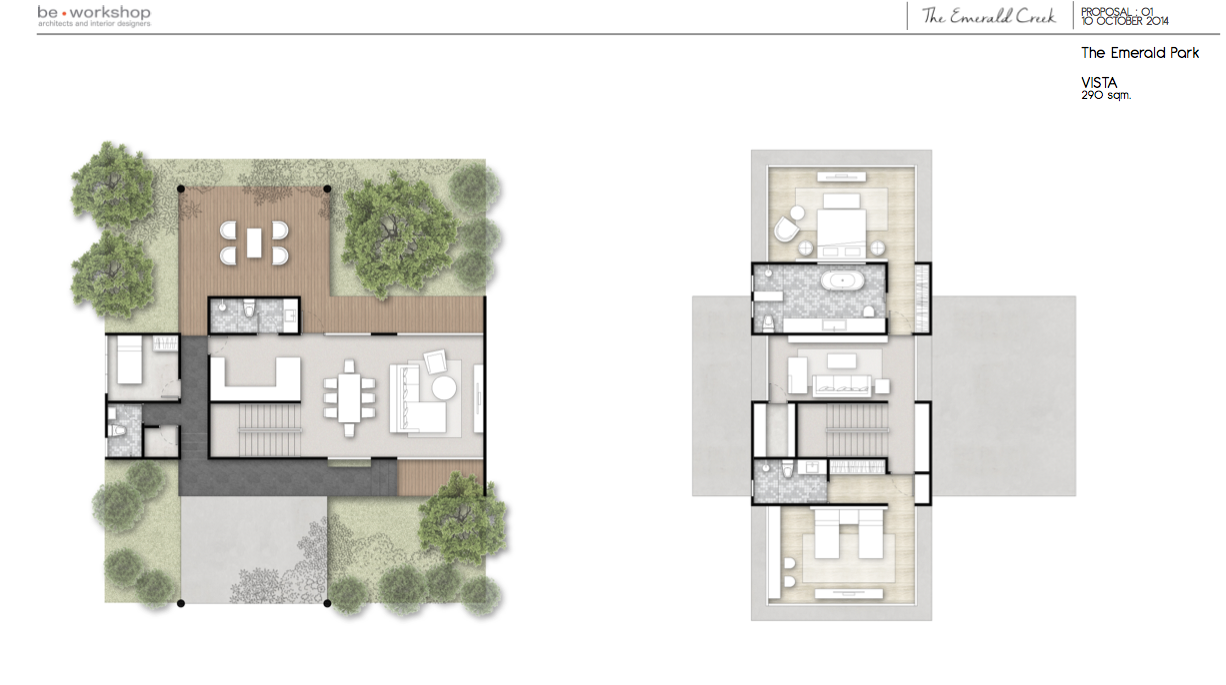
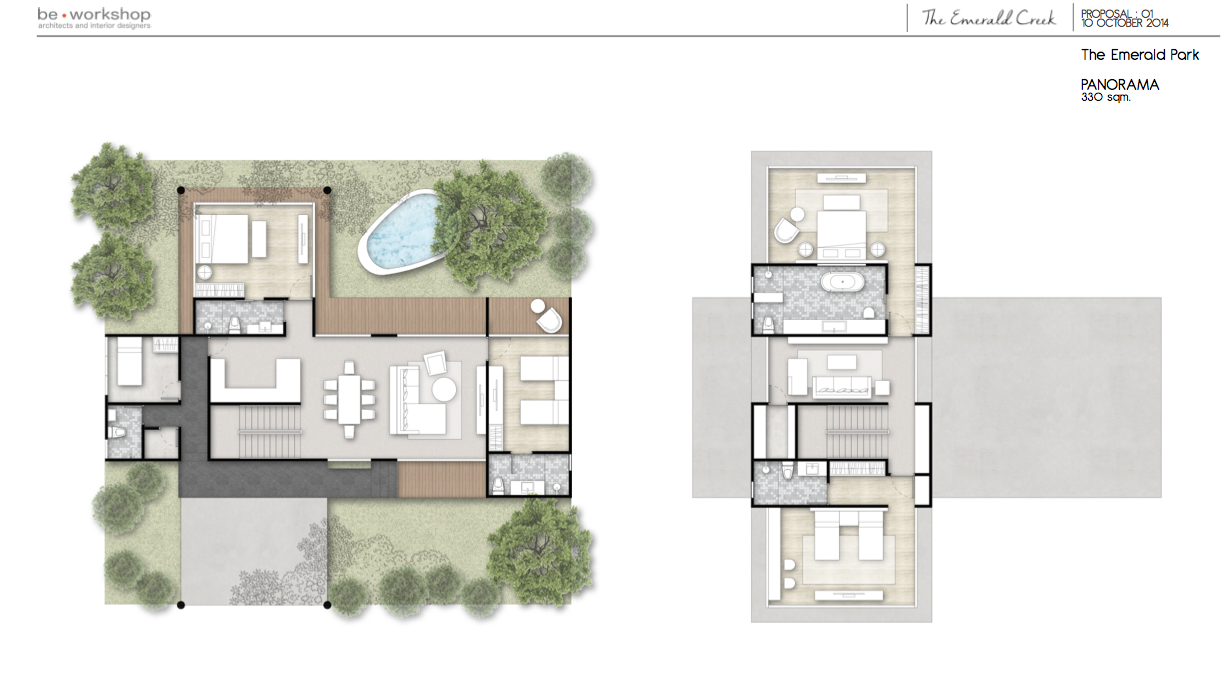
Things went well. Lay outs and plans were adjusted as they were normally done in this stage. What was challenging in the latter part of the preliminary stage was that the client finally decided to have their project built in what they called an “English Cottage” style to ensure their marketing achievement. It was a challenging situation for us. After an agreement to increase design fees to cover the extra work, we sat and thought through how we may design English style houses that still consist open plans, large openings, cosy indoor space, and airy semi-outdoor space that would allow the residents to enjoy nice atmosphere and scenery, while providing them comfort shelters from tropical climate, all of which were somethings we believe to be suitable for this project. We looked back through the history and found that this situation was not unknown to architects in Thailand.
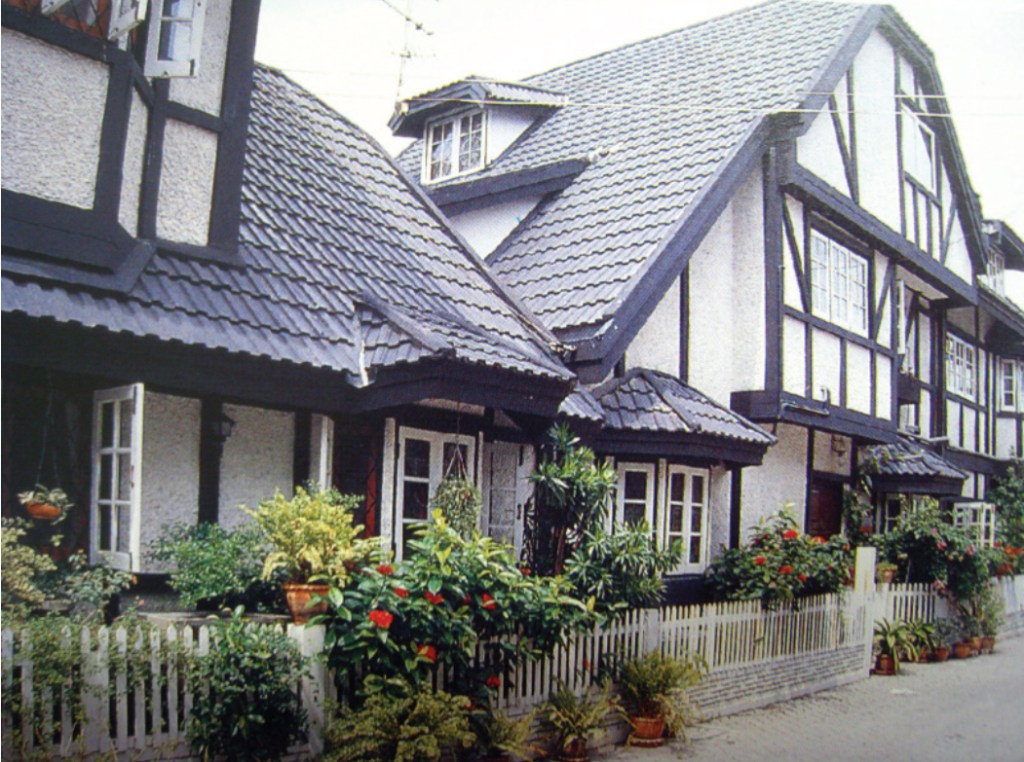
The economic boom during the 1990s in Thailand within the context of an increasingly globalised world diversified the country’s architectural styles, previously dominated by Modernist principles. One of the styles particularly popular among the “new money” clients of architecture firms and real estate developers at the time was a range of historical European styles, which symbolised luxury in the Thai context.
Most architects responded to the clients’ desires and the market with minimum consideration to local climate that affected how inhabitants used the houses, an important factor in this tropical region of the world affecting comfort, maintenance cost, energy consumption and environmental impact – something yet to be discussed at the time.
Architectural scholars also critiqued such styles of undermining local and national identity in architecture, while architects and developers who engaged in such projects always argued that they offered what clients and customers wanted.
Pon Ngan Lae Naew Kid (Por Sor 2475 – 2537) [Siamese
Architects: Foundation, Roles, Works, and Concepts (AD
1932 – 1990)]. Bangkok: Association of Siamese
Architects. p.336.
In 2017, “style” might not be the hottest topic as the architecture field, both in Thailand and abroad, engaged in even more diverse topics than ever before. Yet, the European style house remained desirable for many developers and their targeted customers. And many of their designs still hardly cared about climate presumably because attempts to make those designs more responsive to climate, such as incorporating long eaves and verandahs, might affect the European “image” of the projects and, therefore, the targeted sale.
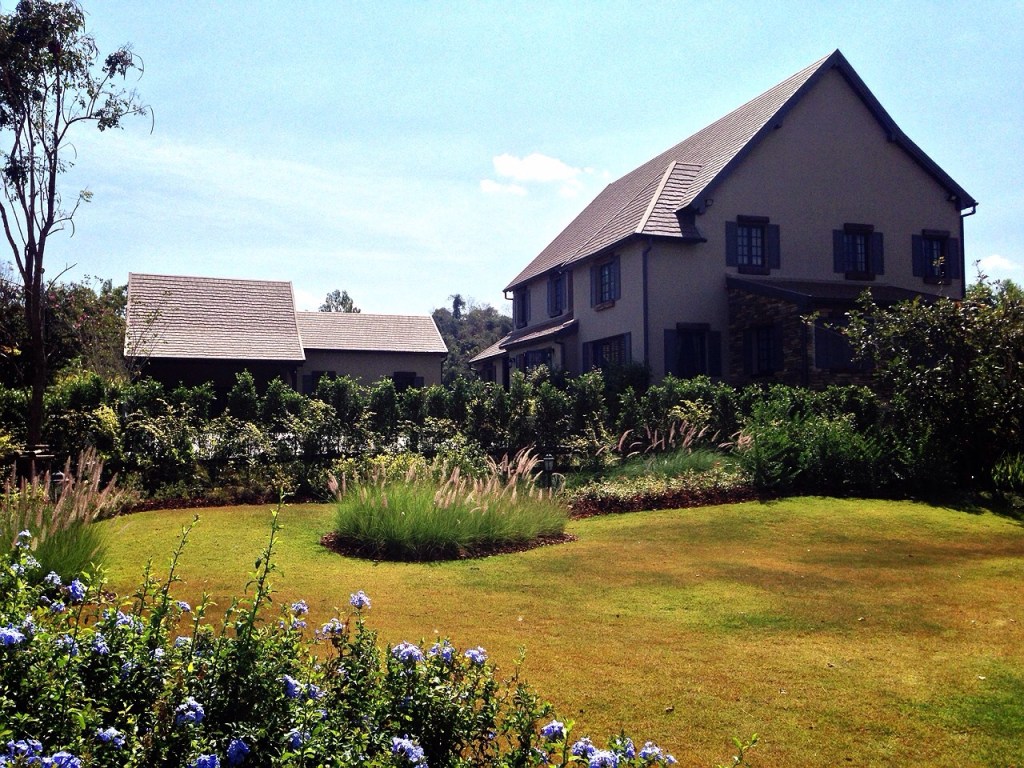
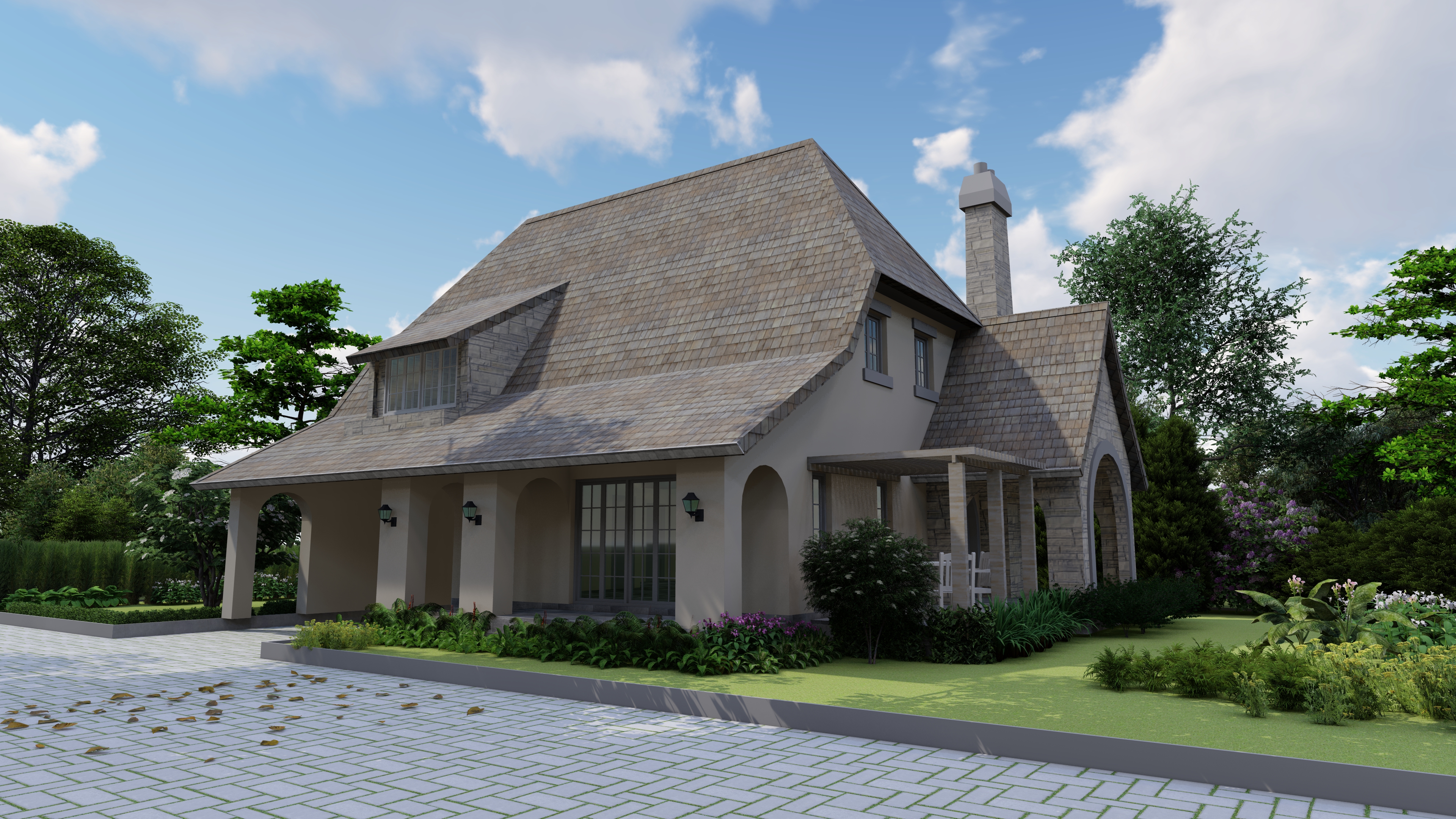
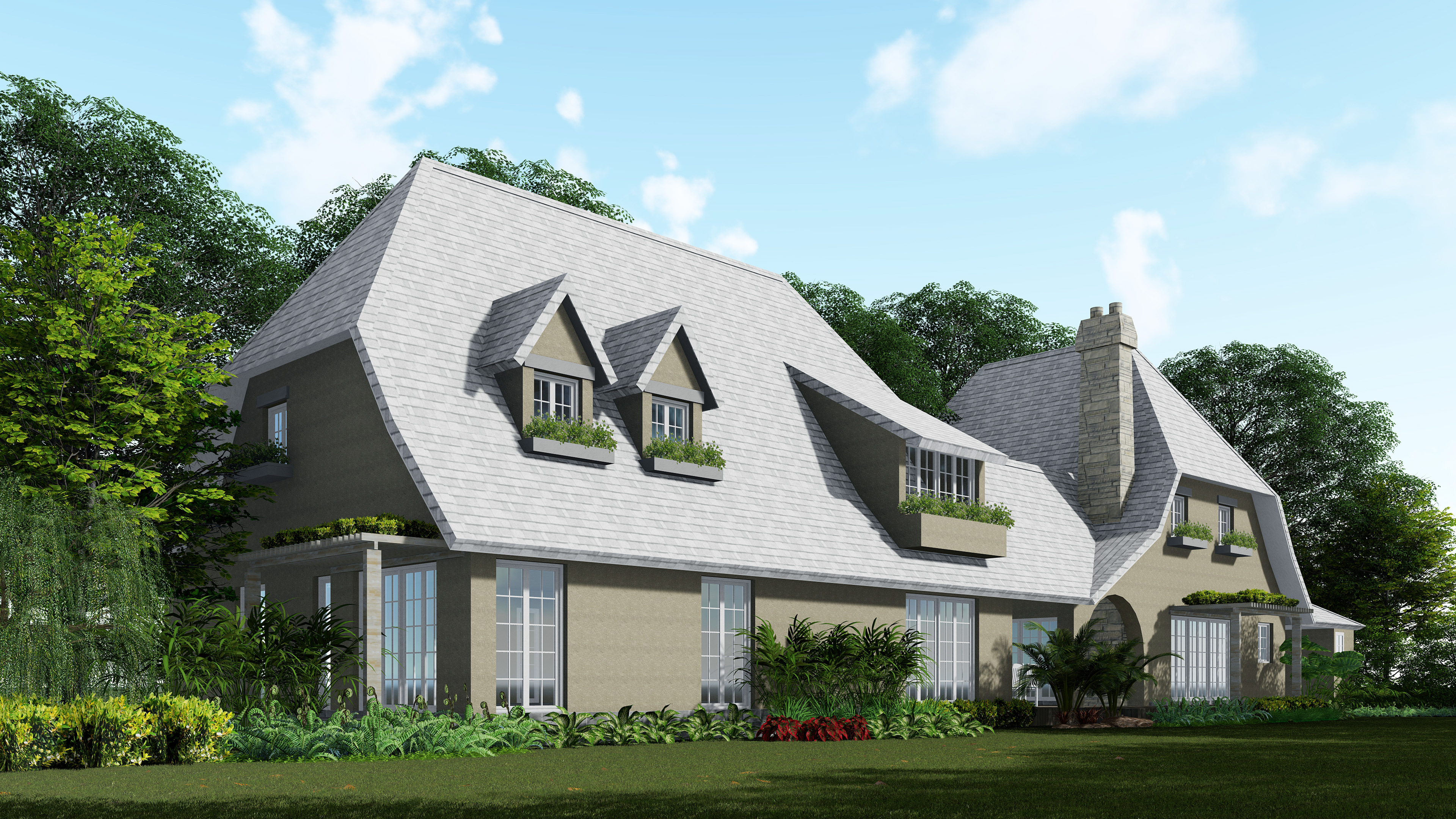
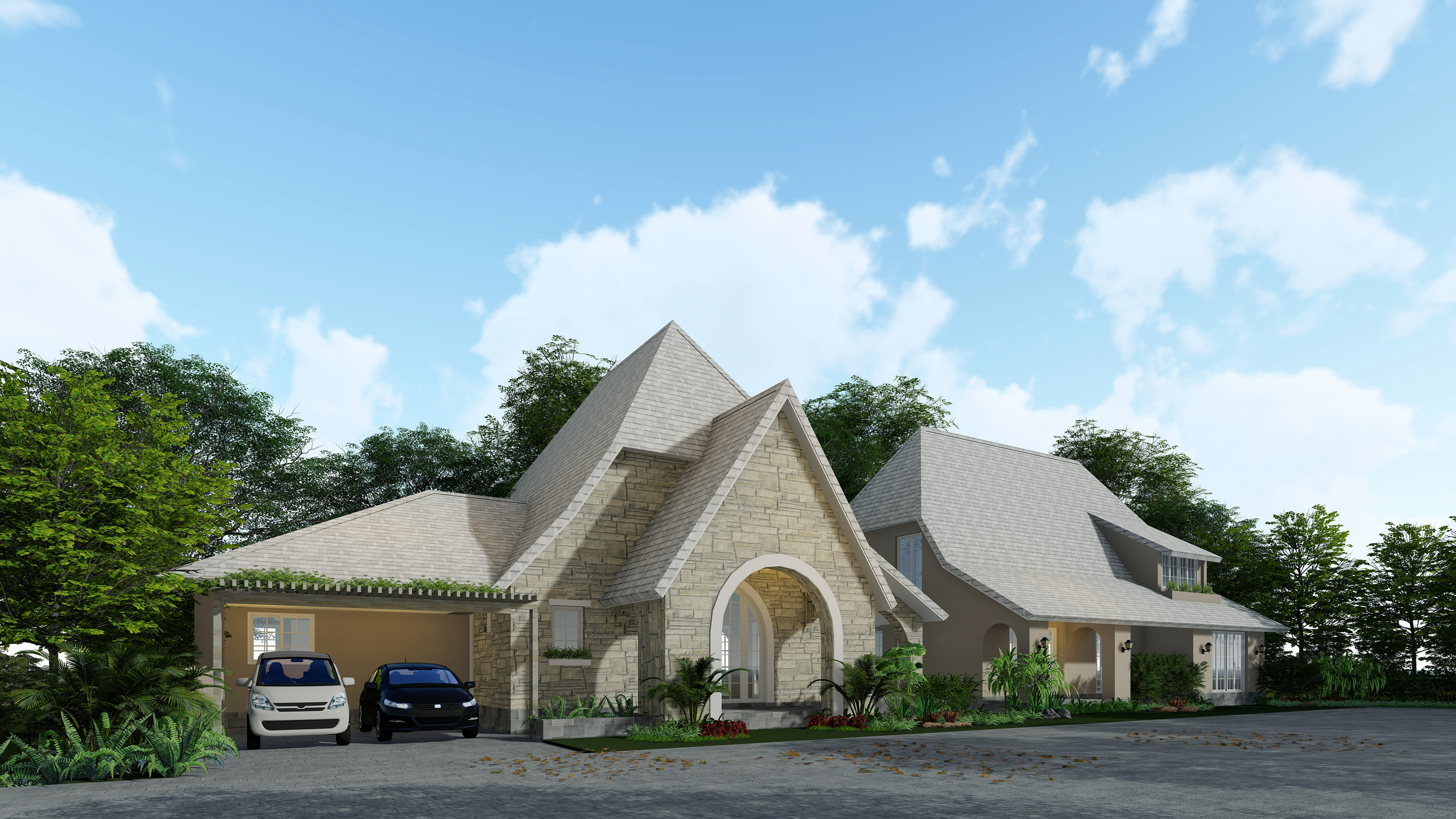
Photos by Kawis Panmaung.
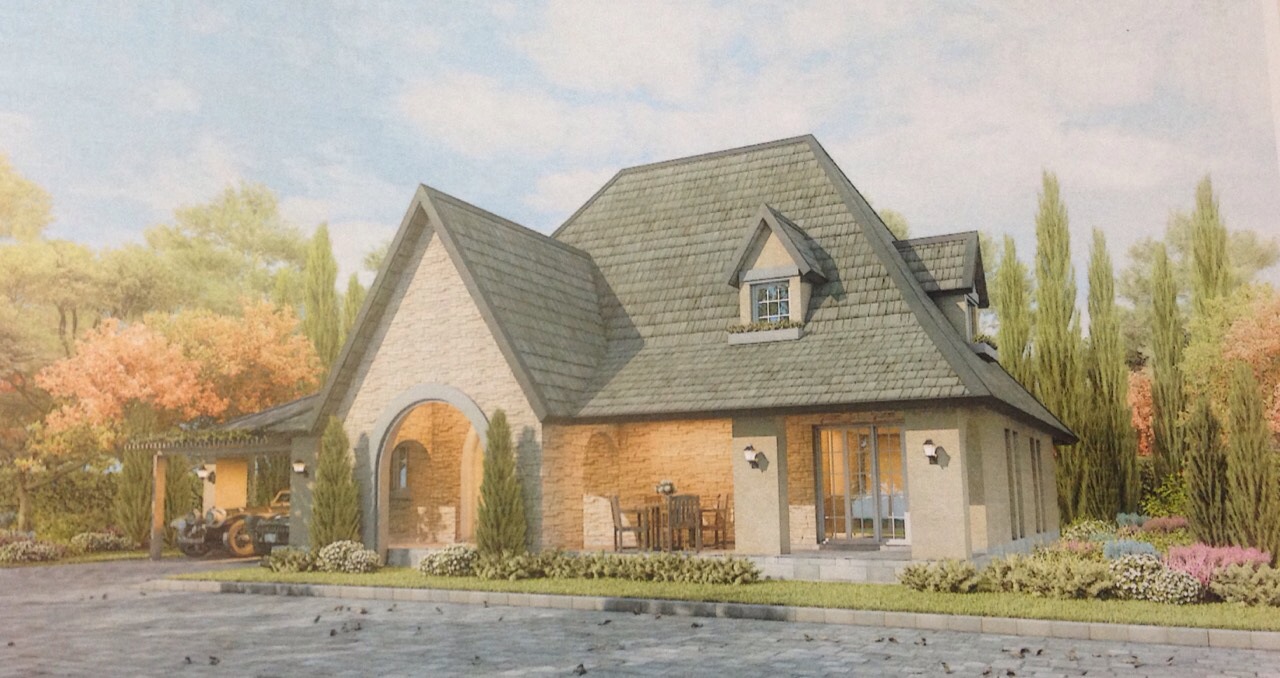
Even though we respected the opinion of fellow architects who may be willing to responded to whatever clients demanded, we also concerned about impacts of whatever architects did that might cost society and environment. However, we were open minded enough to listen to and try to understand what people outside our profession wanted, no matter they were developers or their new rich customers. We also believe that no architectural style or principle fit all projects. That was why we agreed to work with our client on the Emerald Creek project to design an “English Cottage” style vacation house in Muak Lek.
Actually, the styles that might be called English Cottage and other kinds of English house can be seen in a couple of houses designed for Thai aristocrats during the 1910s and 1920s. These houses were part of many more houses, designed in a wide range of European styles in the period to accommodate Thai aristocrats and foreign expatriates living in the country. The English style might not be well-known because it constituted a tiny proportion of these houses. Examples of them are Manangkhasila House and Tip Palace, designed by English architect Edward Healey; and the architect Prince Vodhyakara’s house at Soi Ton Son.
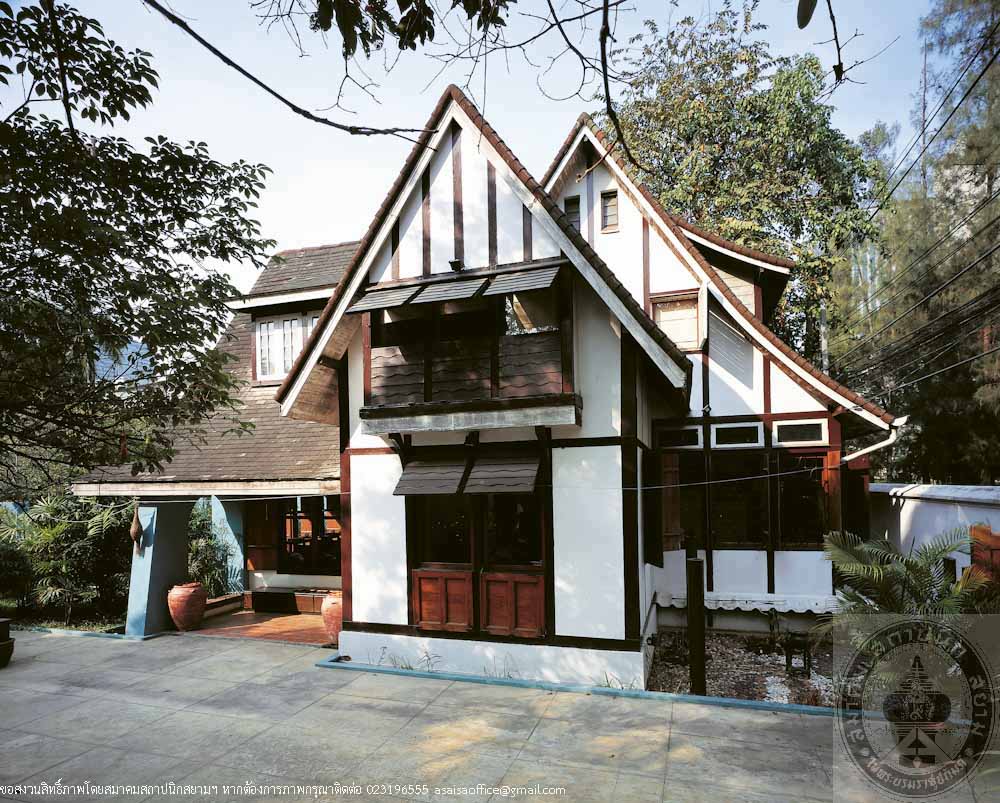
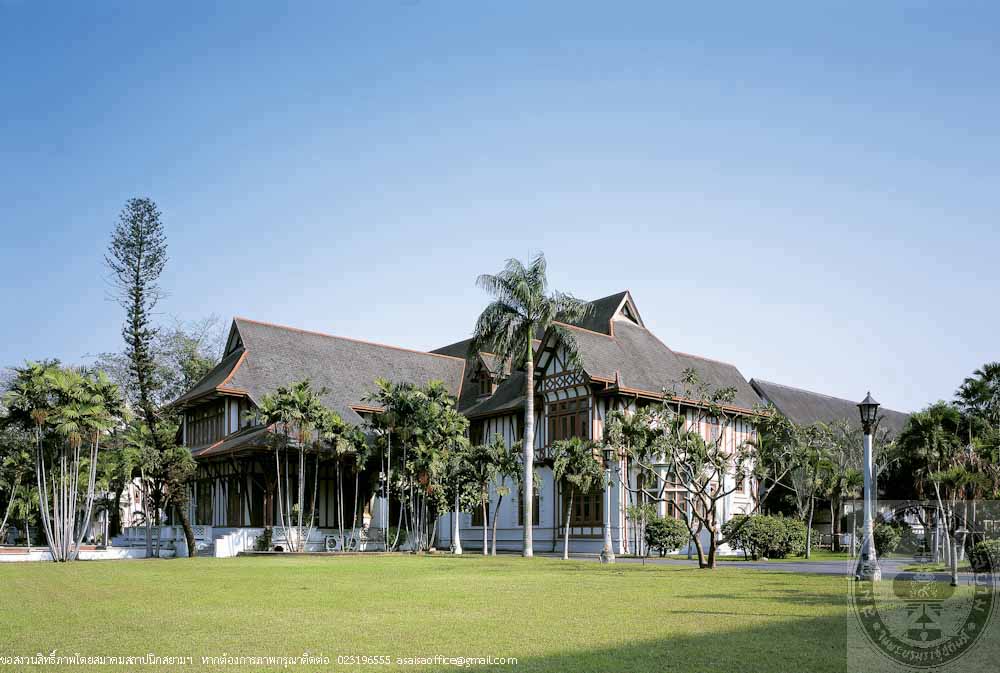
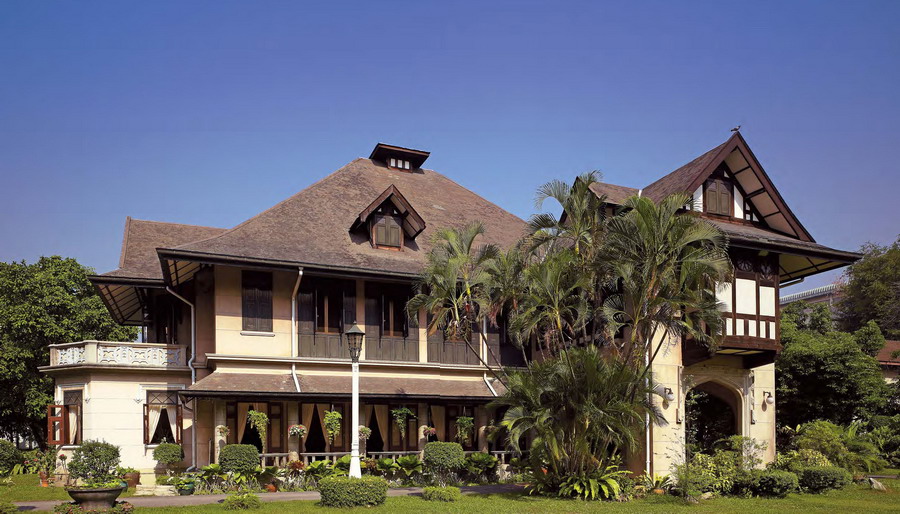
Nowadays, all these European style houses are sometimes, and misleadingly, called “colonial style”, the term that should have even been considered awkward to name buildings in Thailand, which was not colonised by any European power. For us, what is more important is not what they are called but that they were designed according to their residents’ tastes during the modernization period of Siam (former name of Thailand before 1940), when western knowledge, art, and technology were highly praised. This showed that what the “old money” wanted in the early 20th century affected what the growing number of “new money” wanted in the late 20th century. The style of houses only affordable by the upper class in the past became a model of what the emerging middle class wanted to possess.
Focusing on design, research studies show many good examples of the so-called colonial style houses in Thailand from the early 20th. Many of them were designed to respond to tropical climate well. Some examples of the English style also demonstrate that quality. However, the dominant style understood to respond to climate the best is the so-called Ginger Bread and Bungalow. These styles has indeed been adopted in many designs of private houses, housing developments, hotels and resorts, both the renovation of old buildings and new-built projects, from the late 1990s. It did respond to the tastes of both upper and middle class, and ensured the developers’ profitability, while critiqued many other projects in European styles that completely ignored tropical climate.
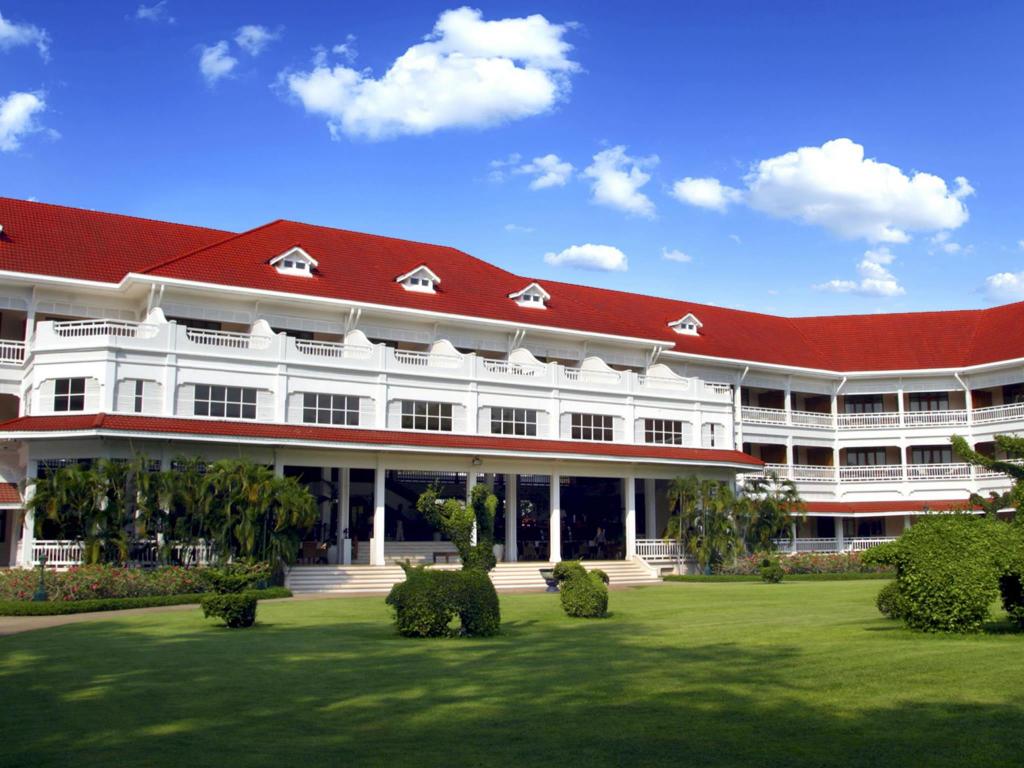
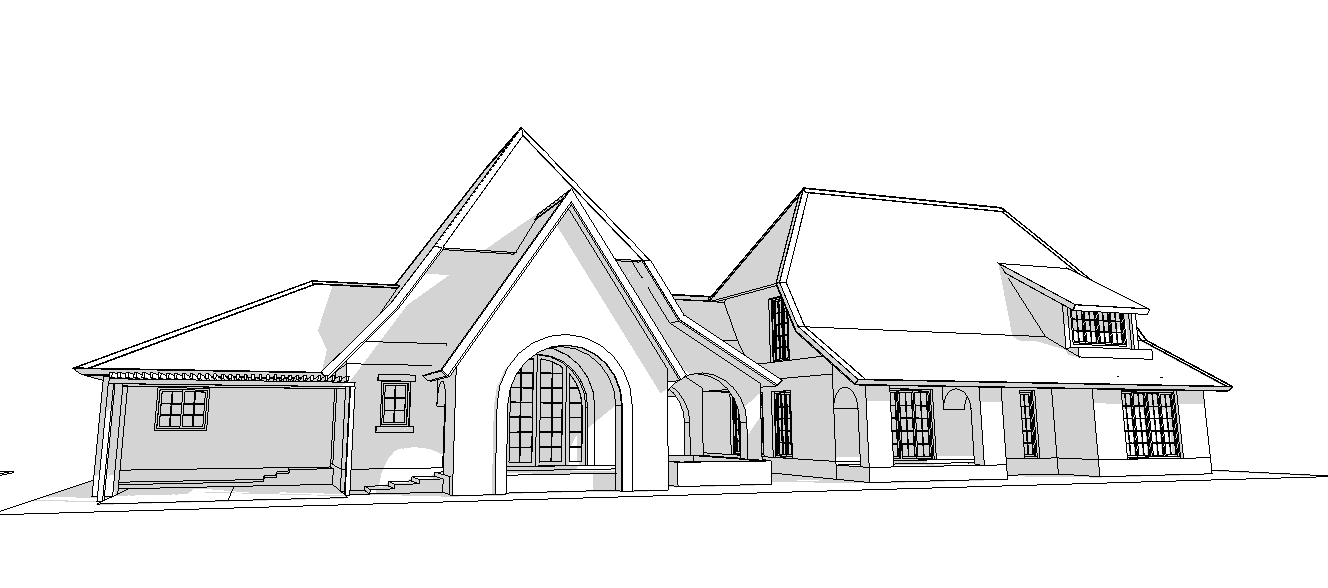
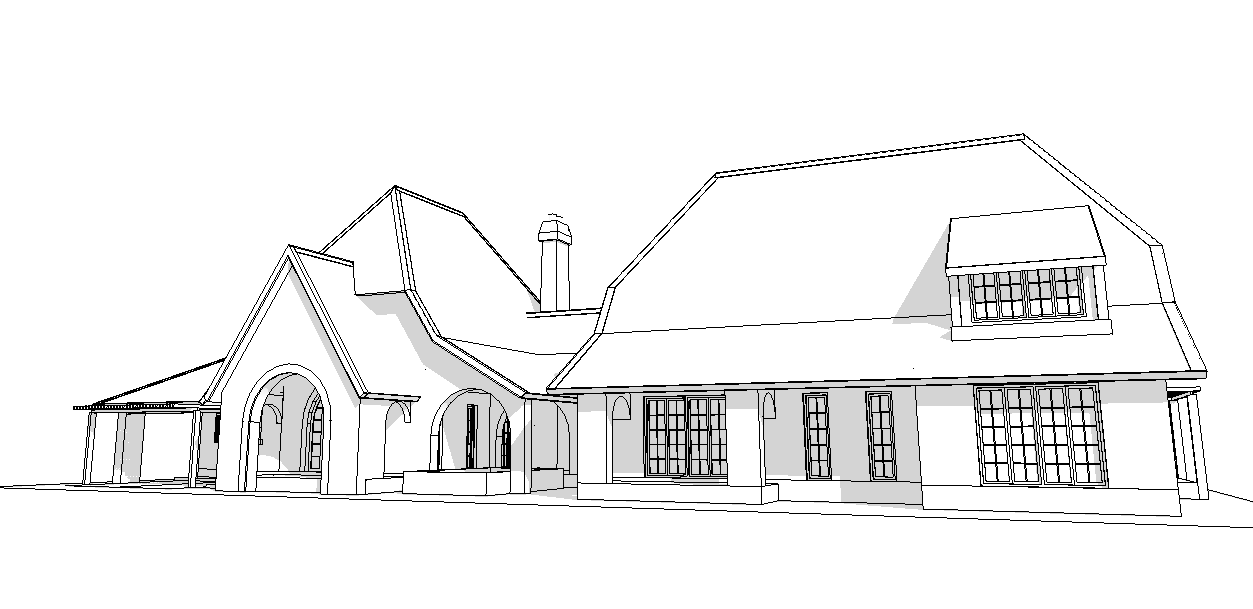
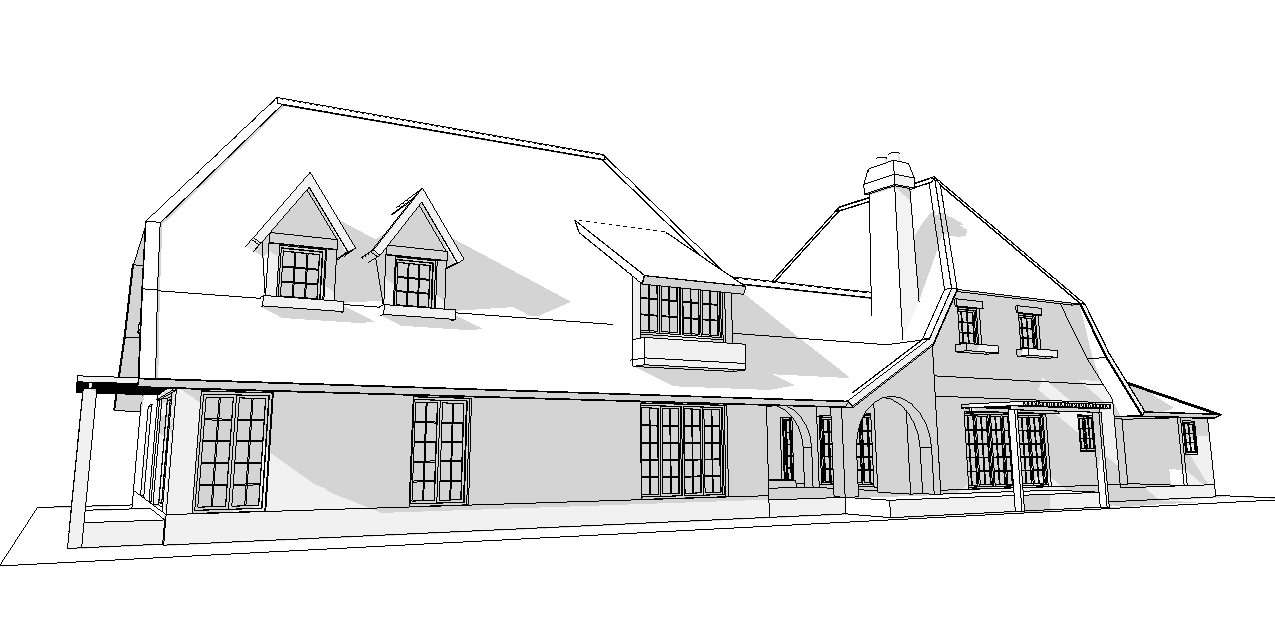
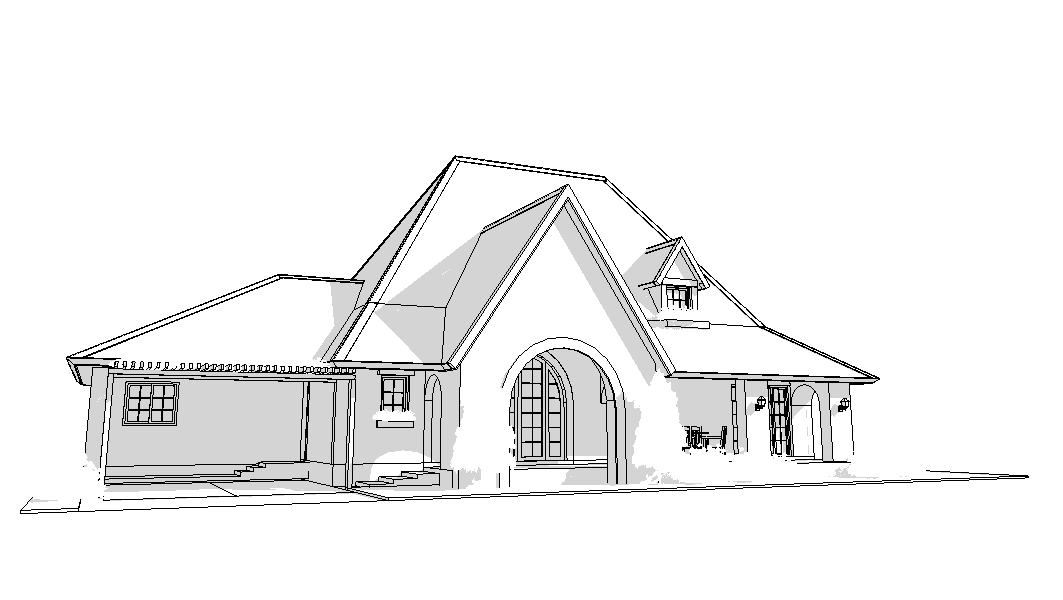
The studies ensured us that designing good houses in a European style that responded well to the tropical climate was possible. And the dominance of the Ginger Bread and Bungalow styles in the market encouraged us to explore other possibilities. We, therefore, went for the English Cottage style, as it answered the client’s market strategy and the atmosphere offered by the site. In sum, we aim to create climatic responsive and environmental-friendly houses in an English style. In other words, we aim to create environmental-friendly houses in a different style usually associated with such type of the houses.
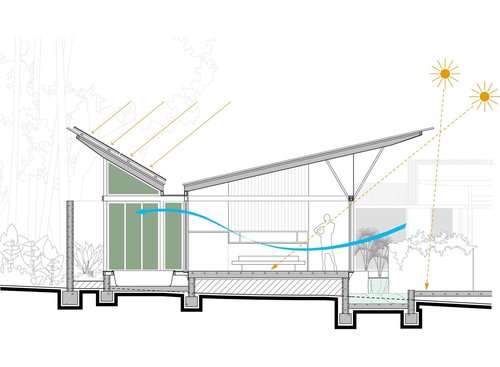
A kind of house style and explanatory drawing showing its climatic responsivenes. https://www.rikysongsu.com/blog/passive-house-design-with-arckit
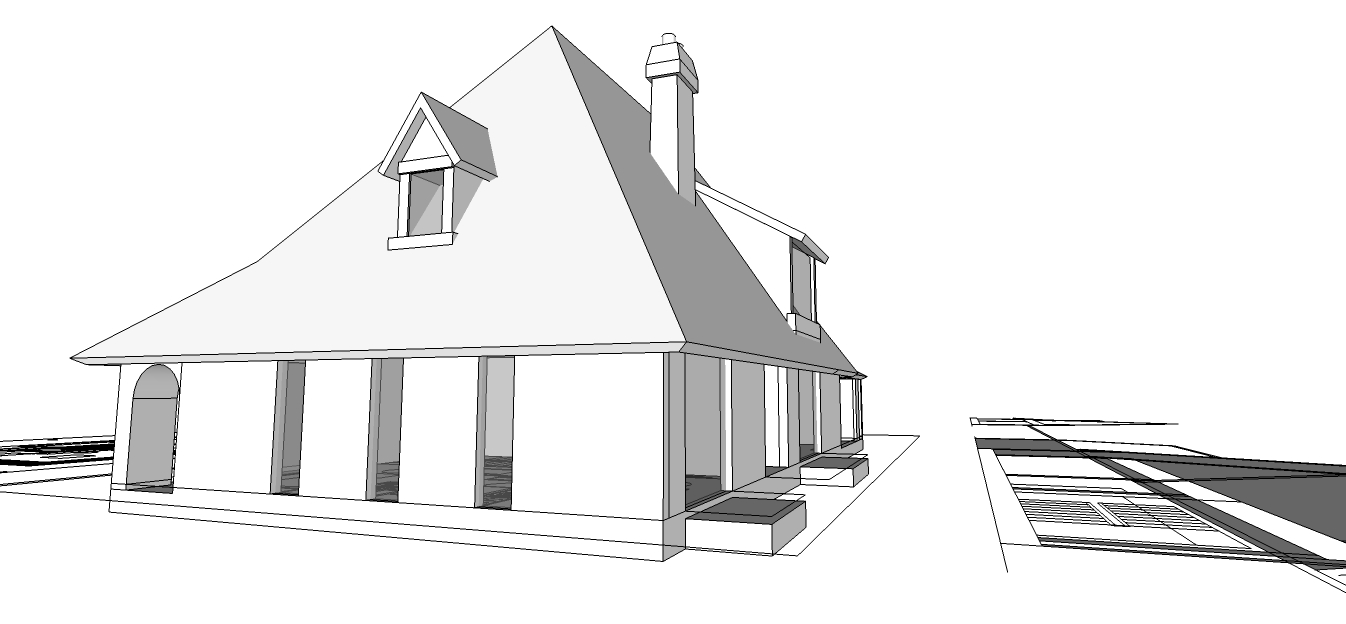
After studying historical examples of the English style houses both in England and Thailand, we started by developing our modernist plans that had already satisfied us and the client into a 3 dimensional design of English style houses. We started with both hand sketching and computer aided 3D modelling before producing construction drawings.
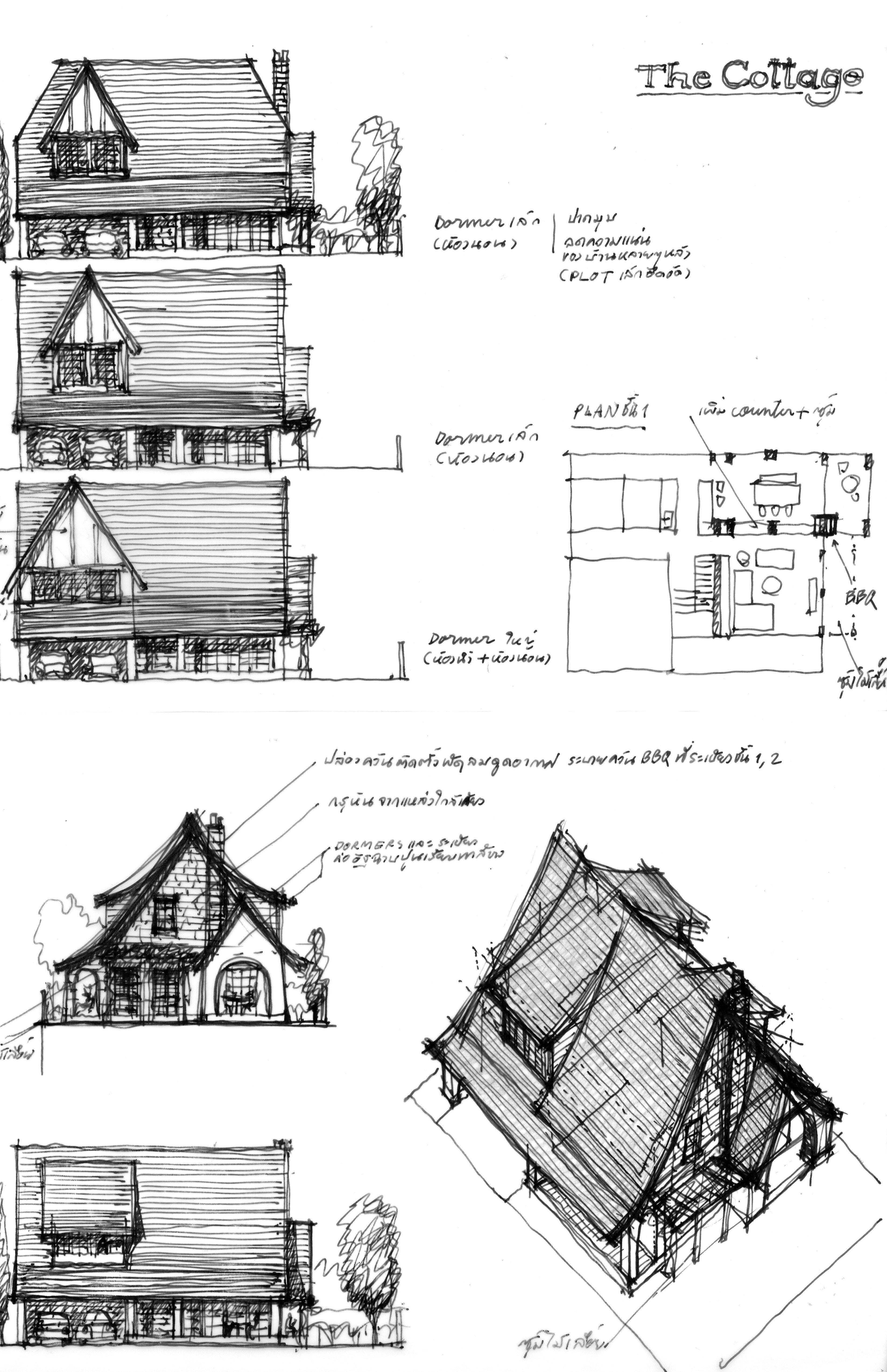
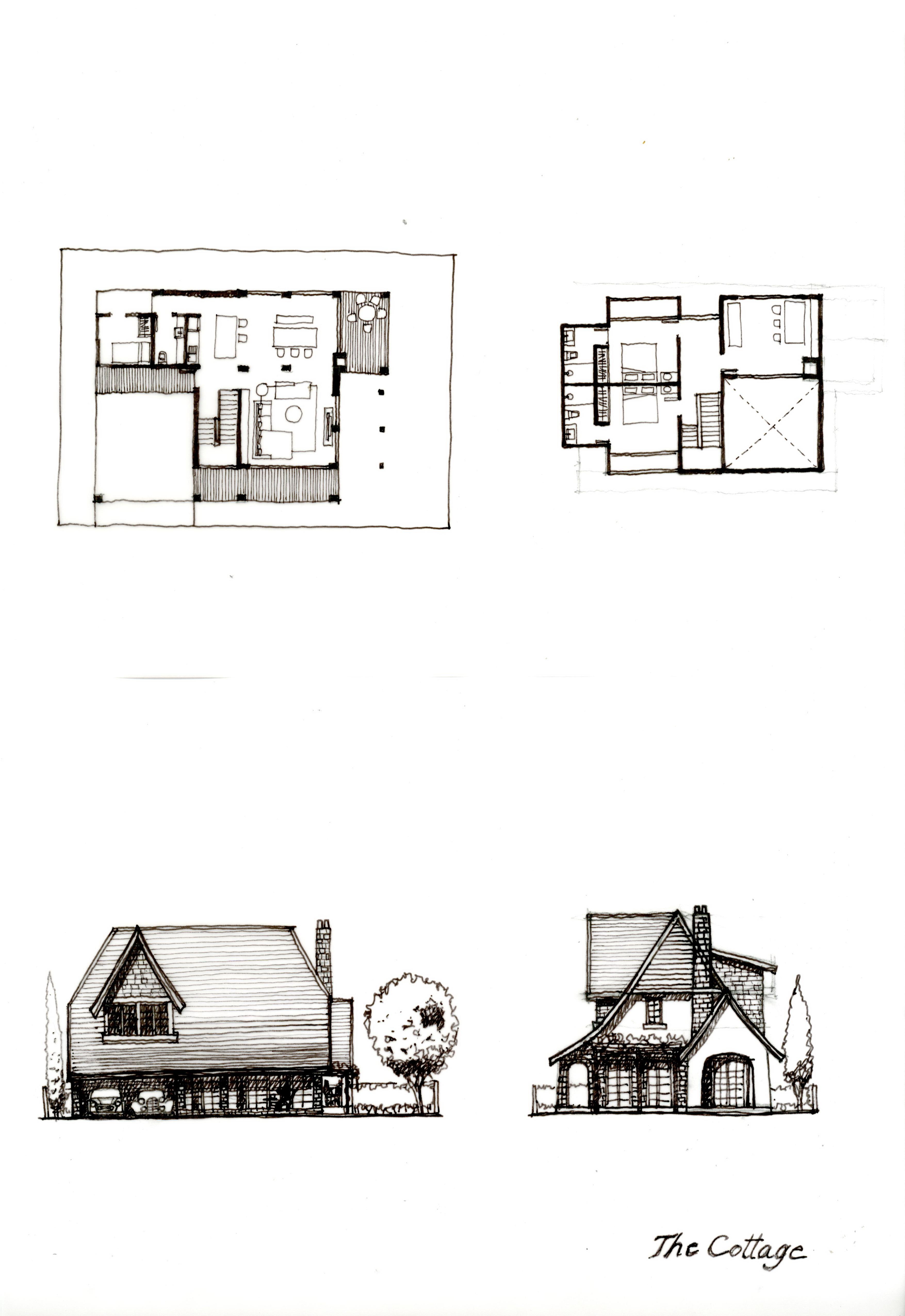
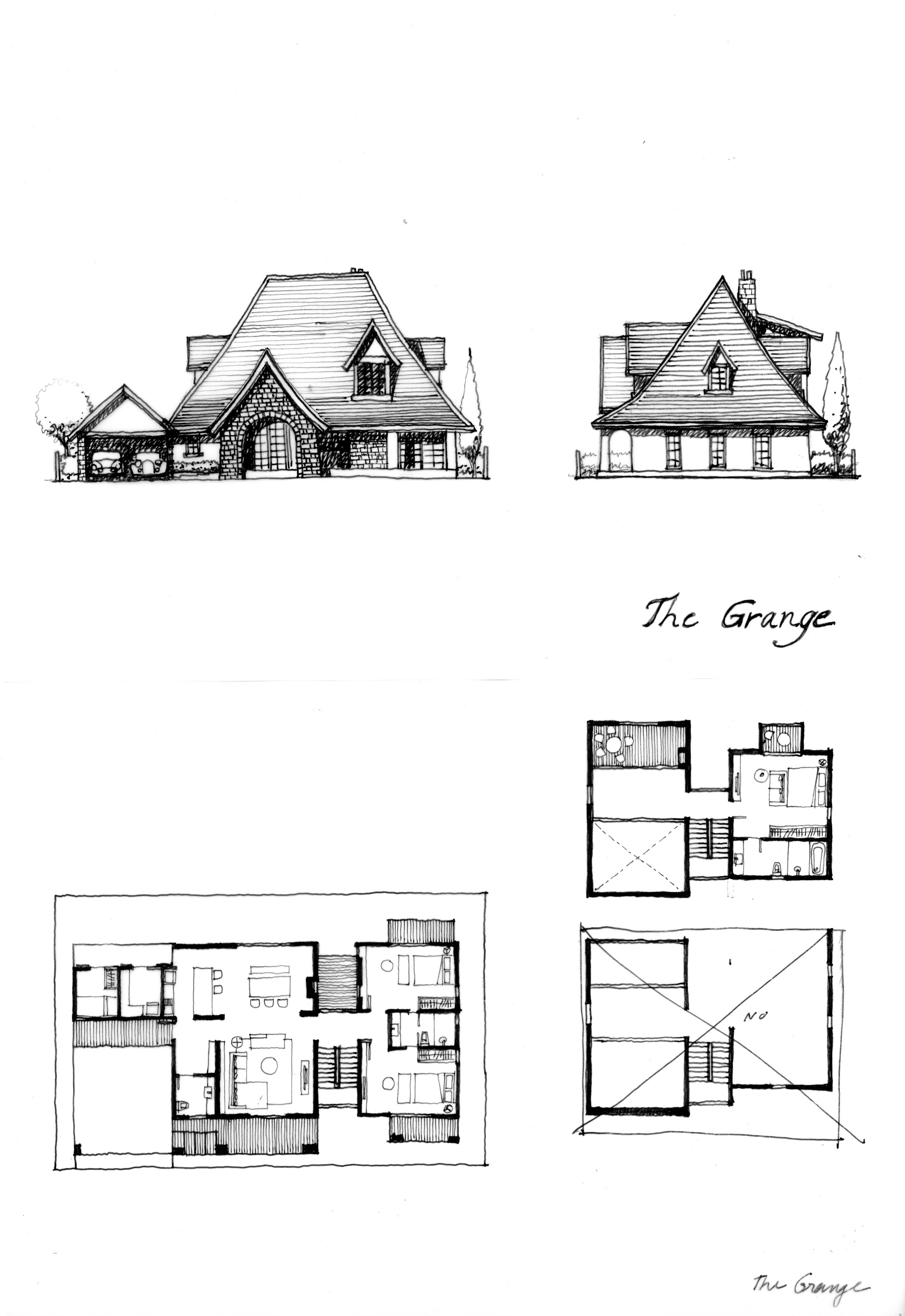
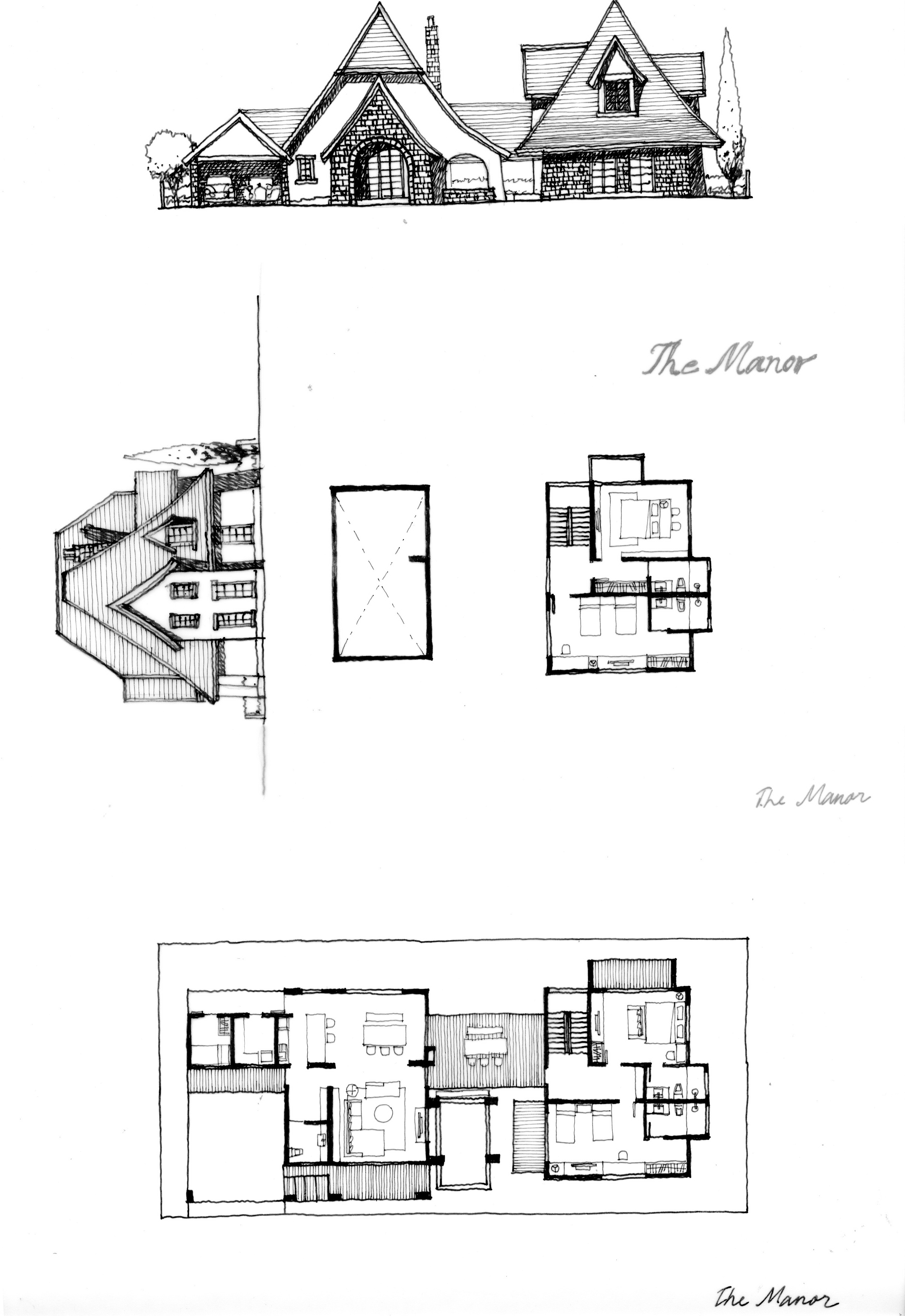
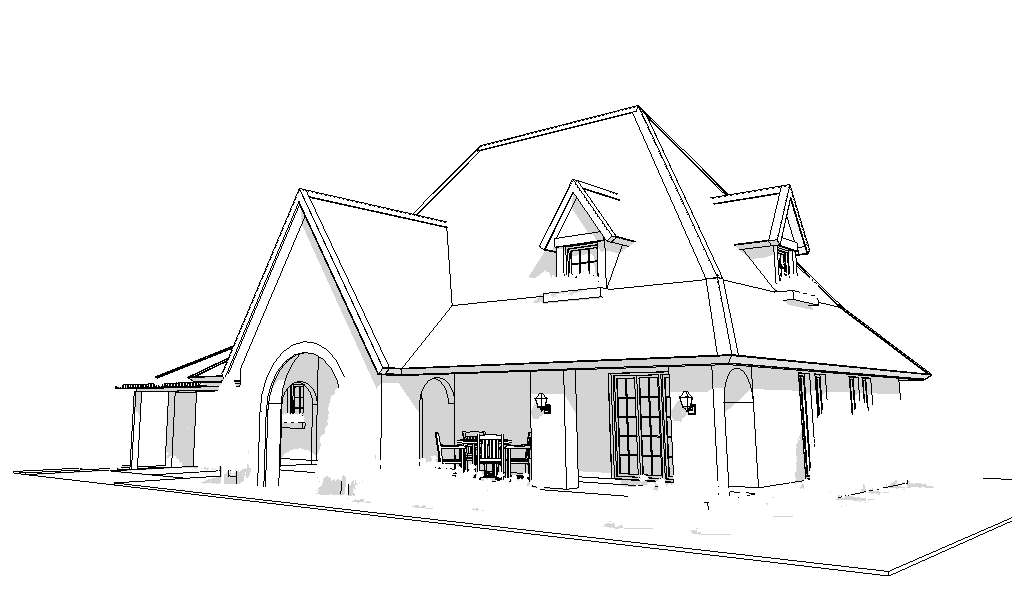
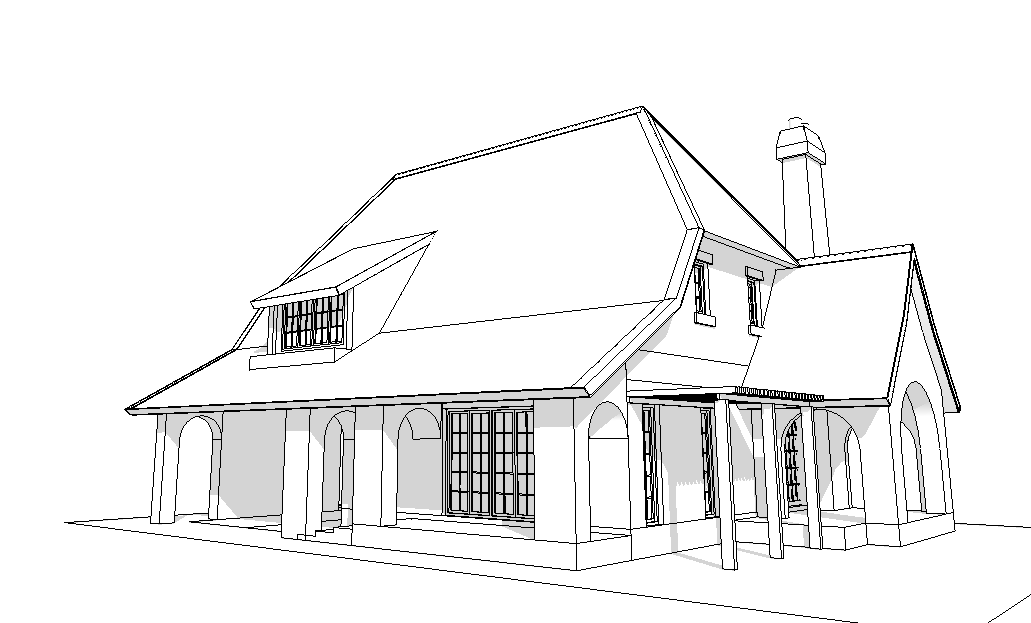
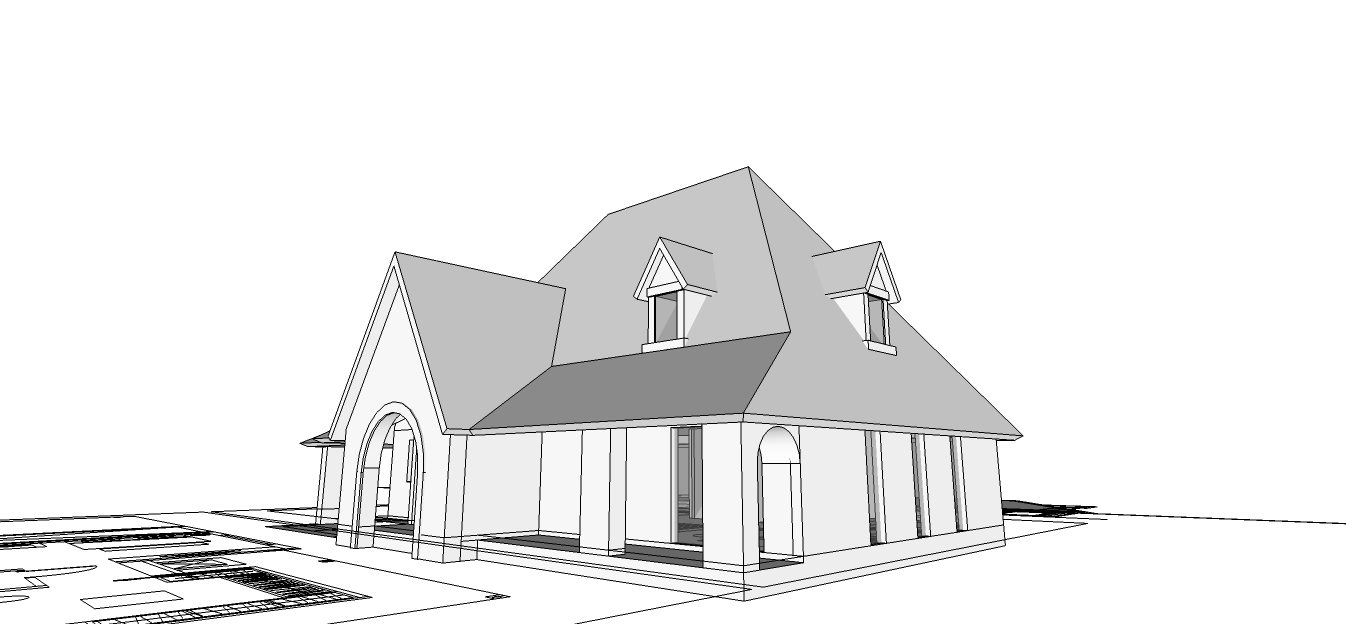
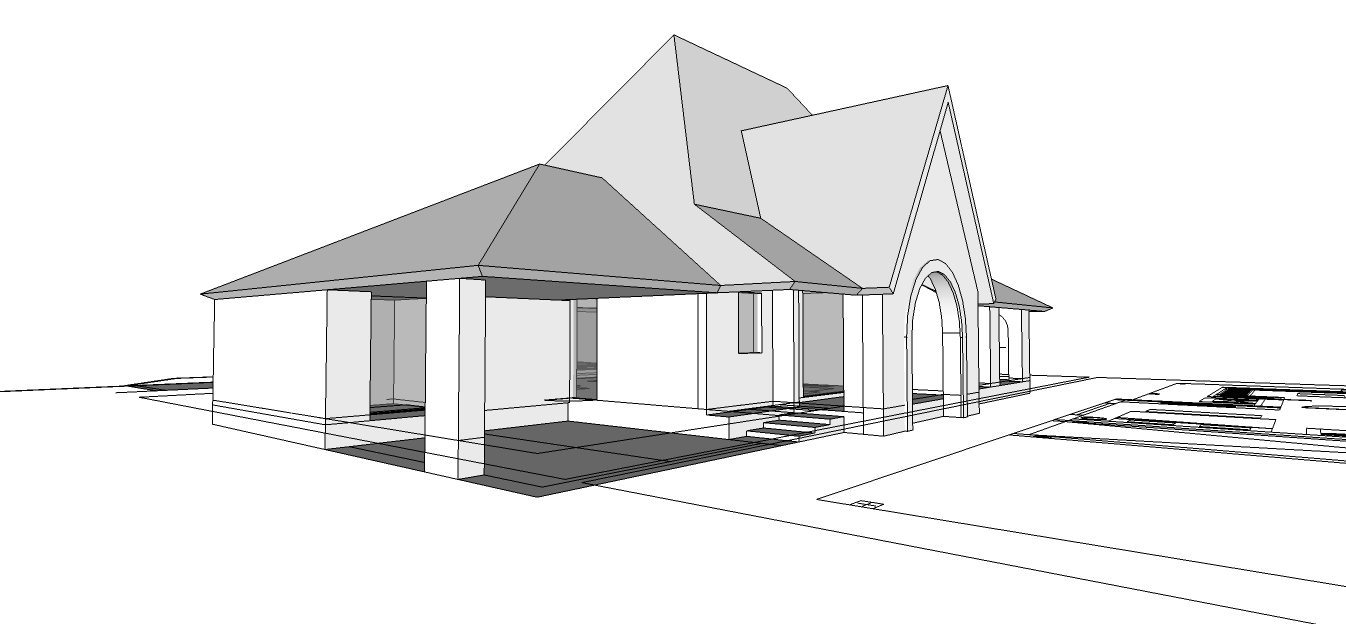
 DRFJ
DRFJ 