2015
The simple and humble design by Fusinpaiboon and Jang for a house in a small town Ban Chang in Rayong, a sea-side province in the eastern region of Thailand, engages stories of four generations of an ordinary family.
Originally from this town, members of the first generation of the family migrated to Bangkok in the 1950s. After working in the capital city for years, they saw growing opportunities in their hometown due to the presence of the US Air Force base serving the Vietnam War at nearby U-taphao during the late 1960s that made business flourished in Ban Chang. They did not move back only themselves but bringing with them their wooden house that they had built in Bangkok. The house was disassembled from Bangkok and reassembled in Ban Chang and accommodated the family for decades.
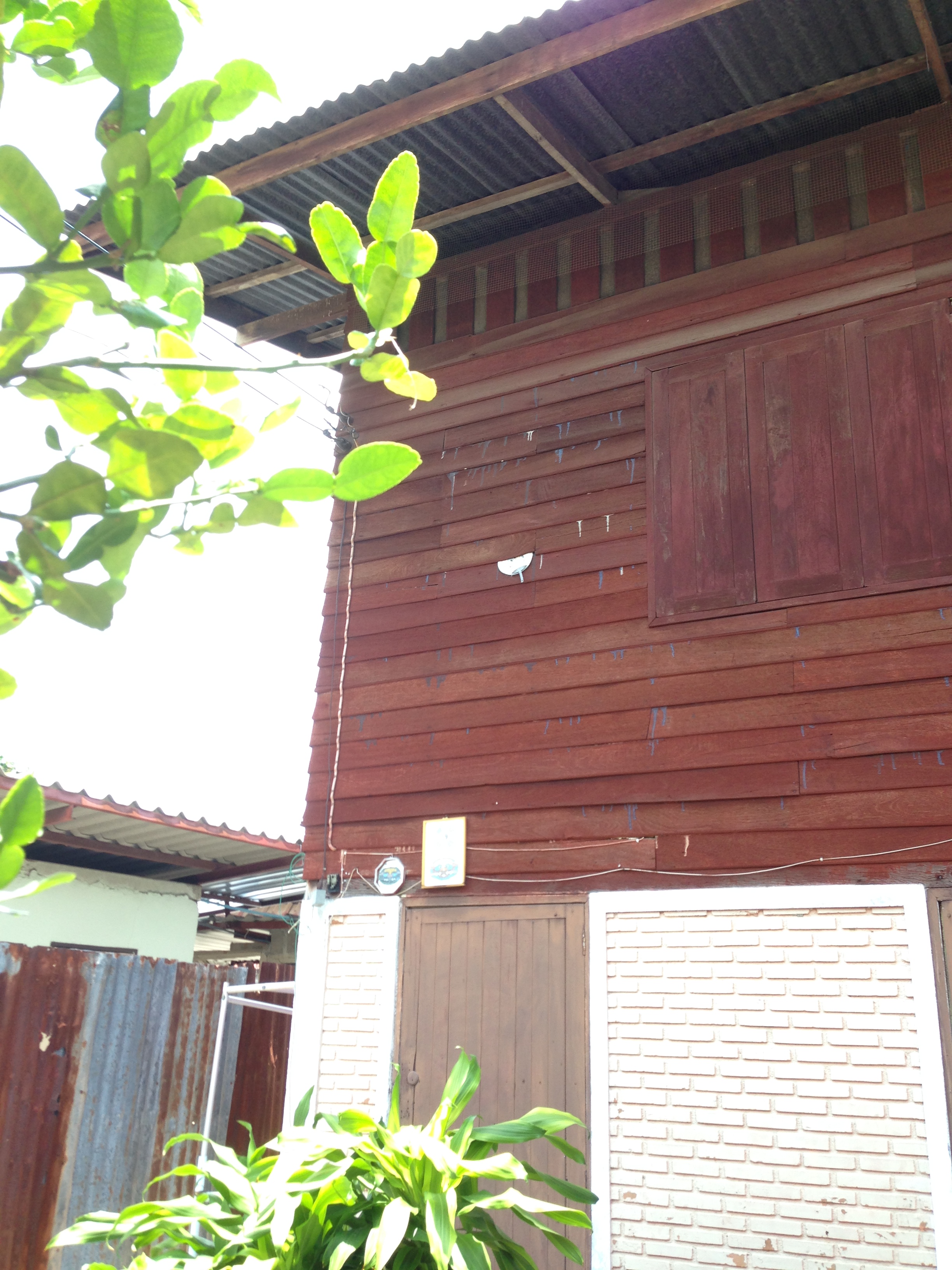
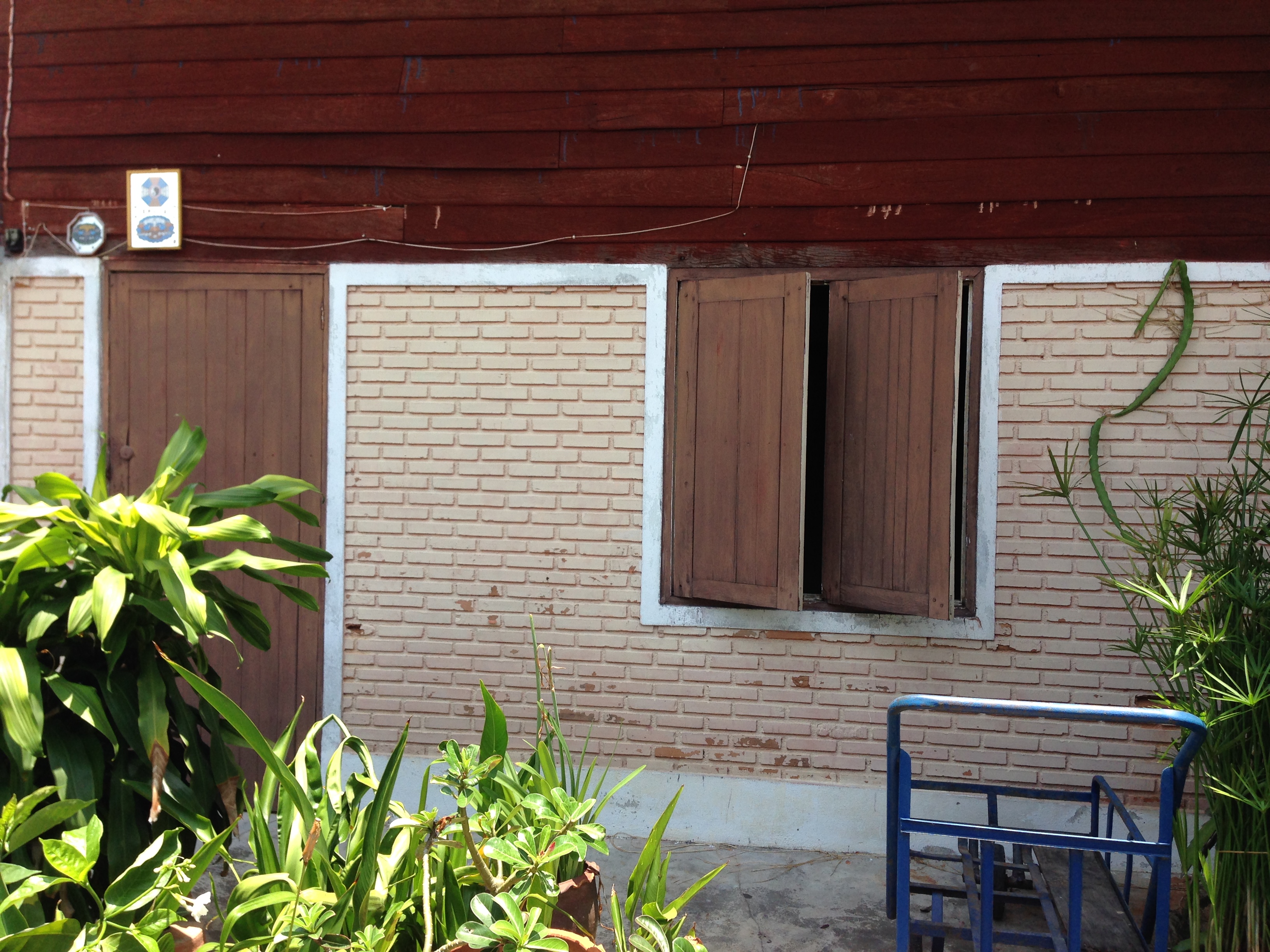
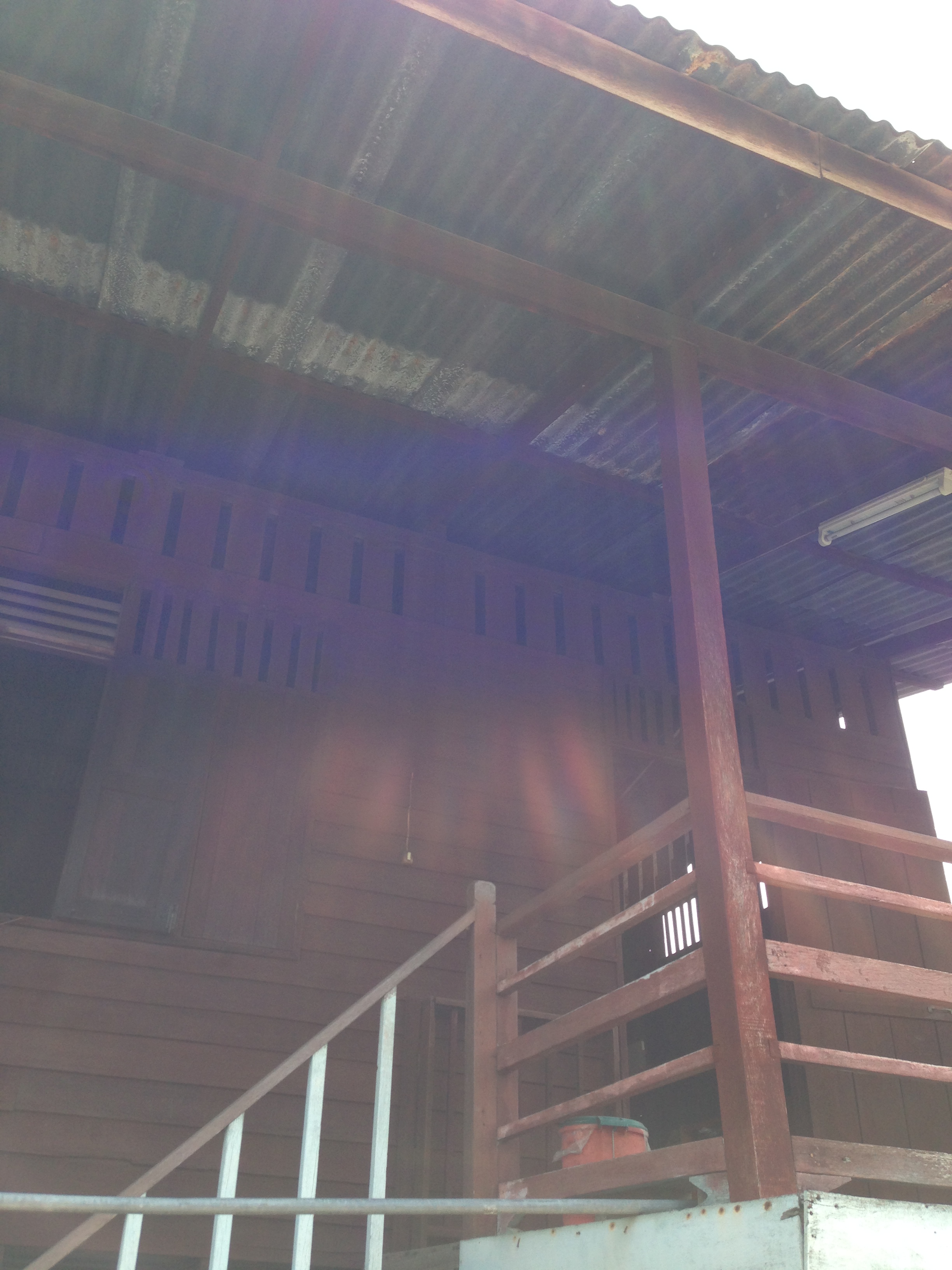
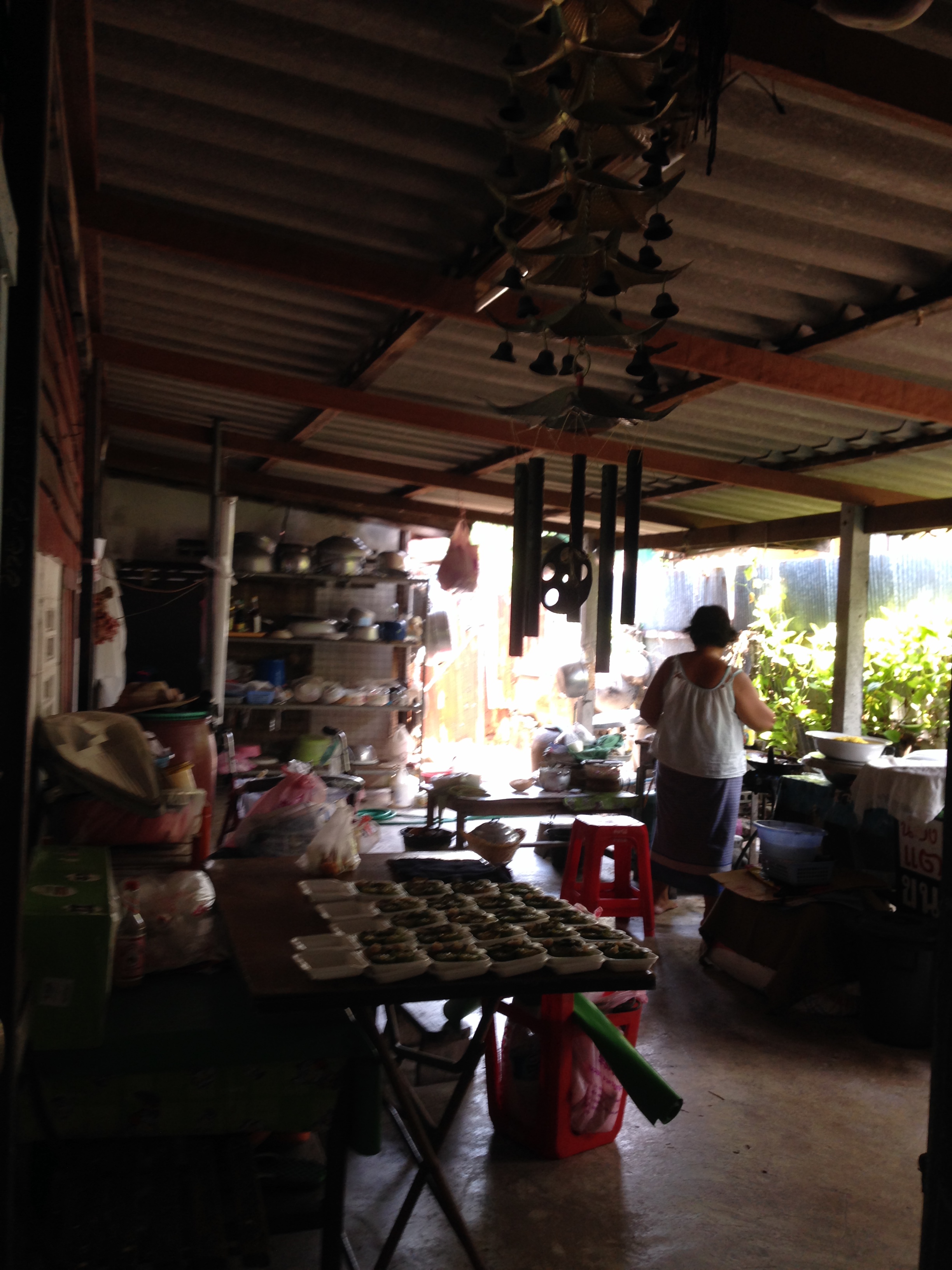
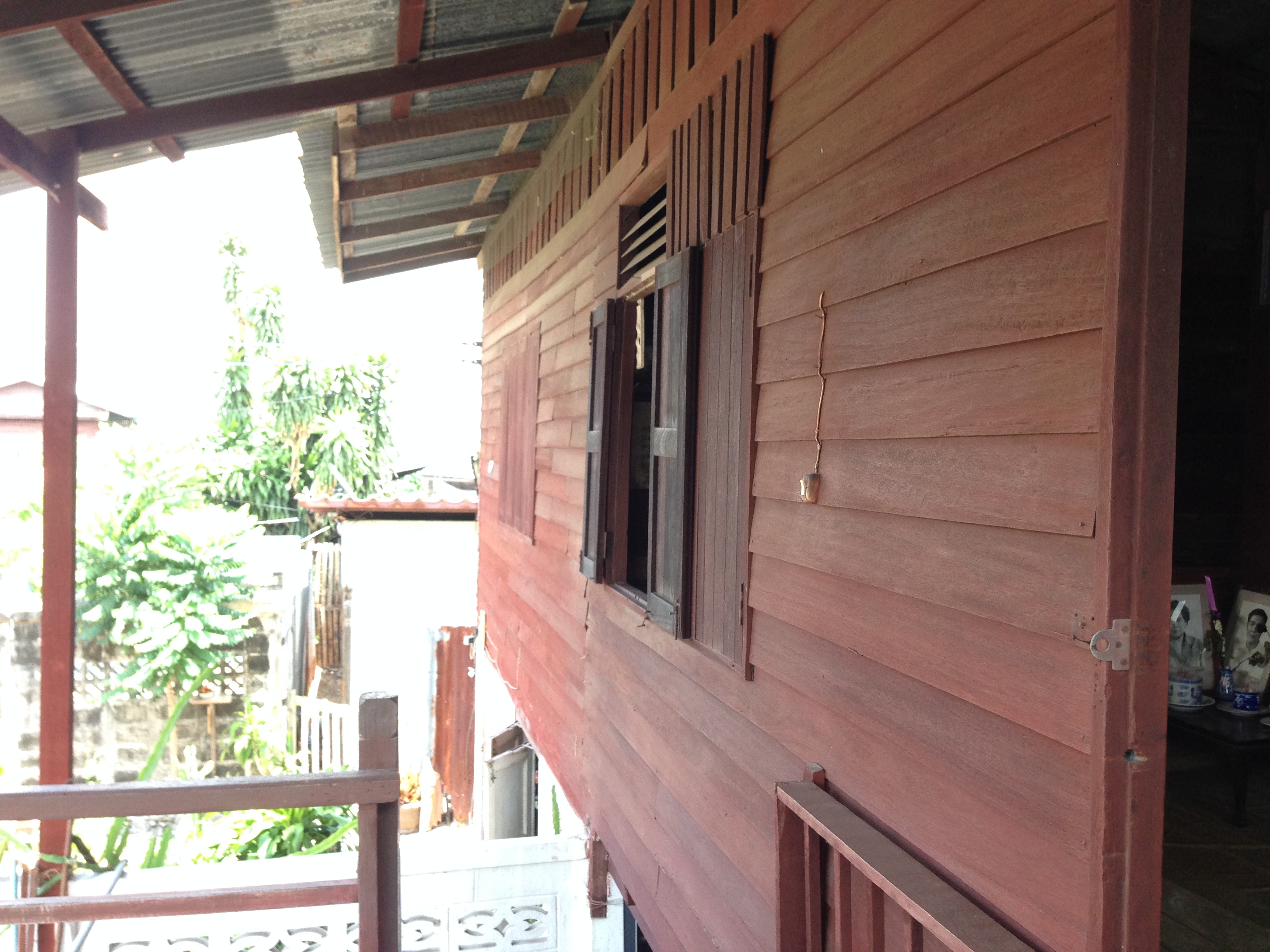
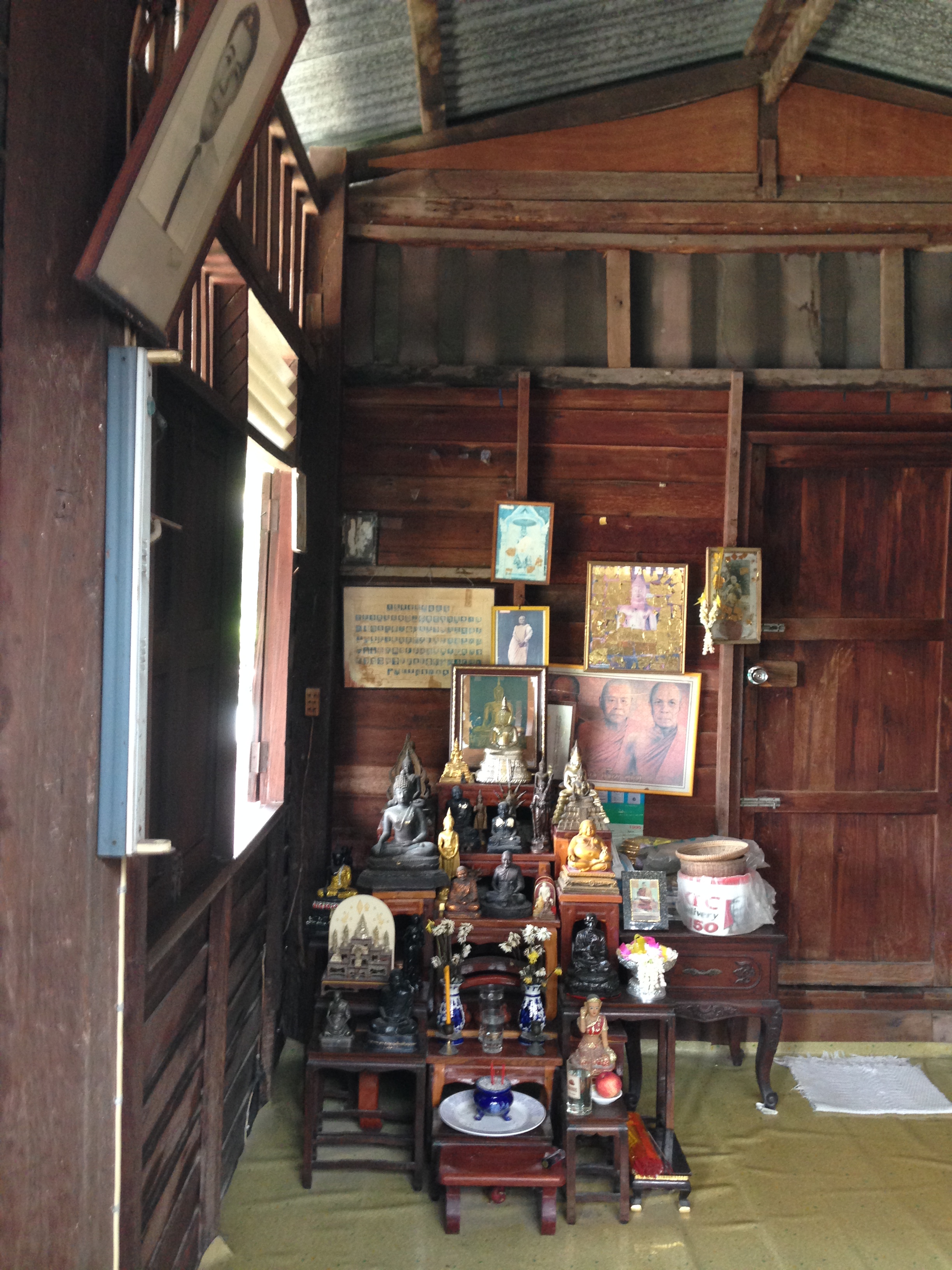
Members of the second generation of the family happily grew up in this house. However, the economy of Ban Chang declined and jobs were scarce until the development of the eastern sea board project in the 1990s. The economy of the region was boosted this time by the construction and operation of a commercial seaport that serve the growing economy of Thailand in the post-Cold War period. Family members of the second generation started to have their own families in the late-1980s. Once things did not go as they might have wished, they wanted a good new start. Then they sought opportunities beyond their hometown Ban Chang, their eastern region, and even their country Thailand. They migrated to Germany and England and work their until their retirement.
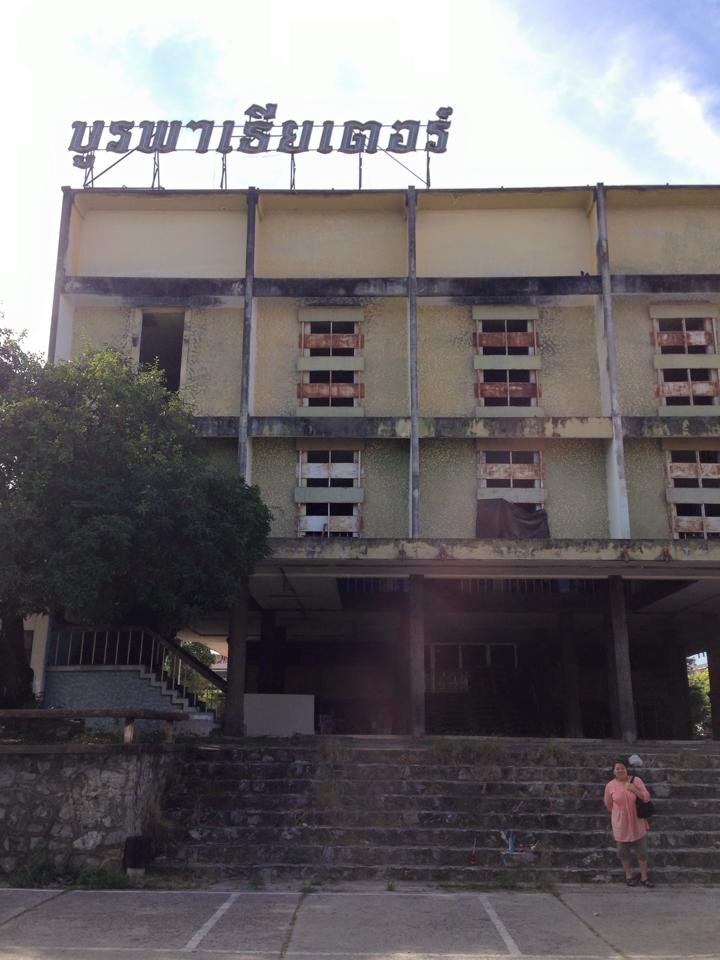
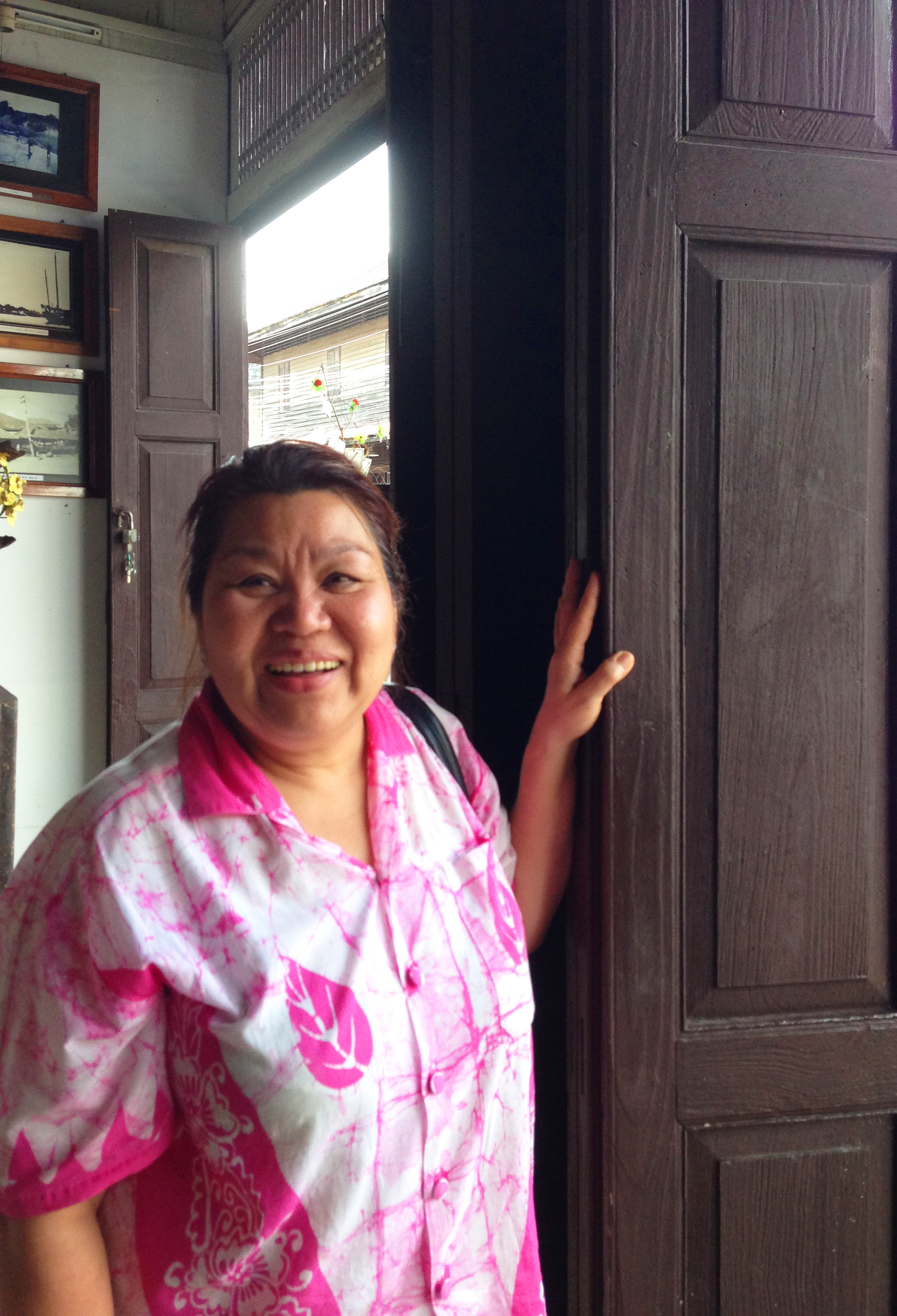
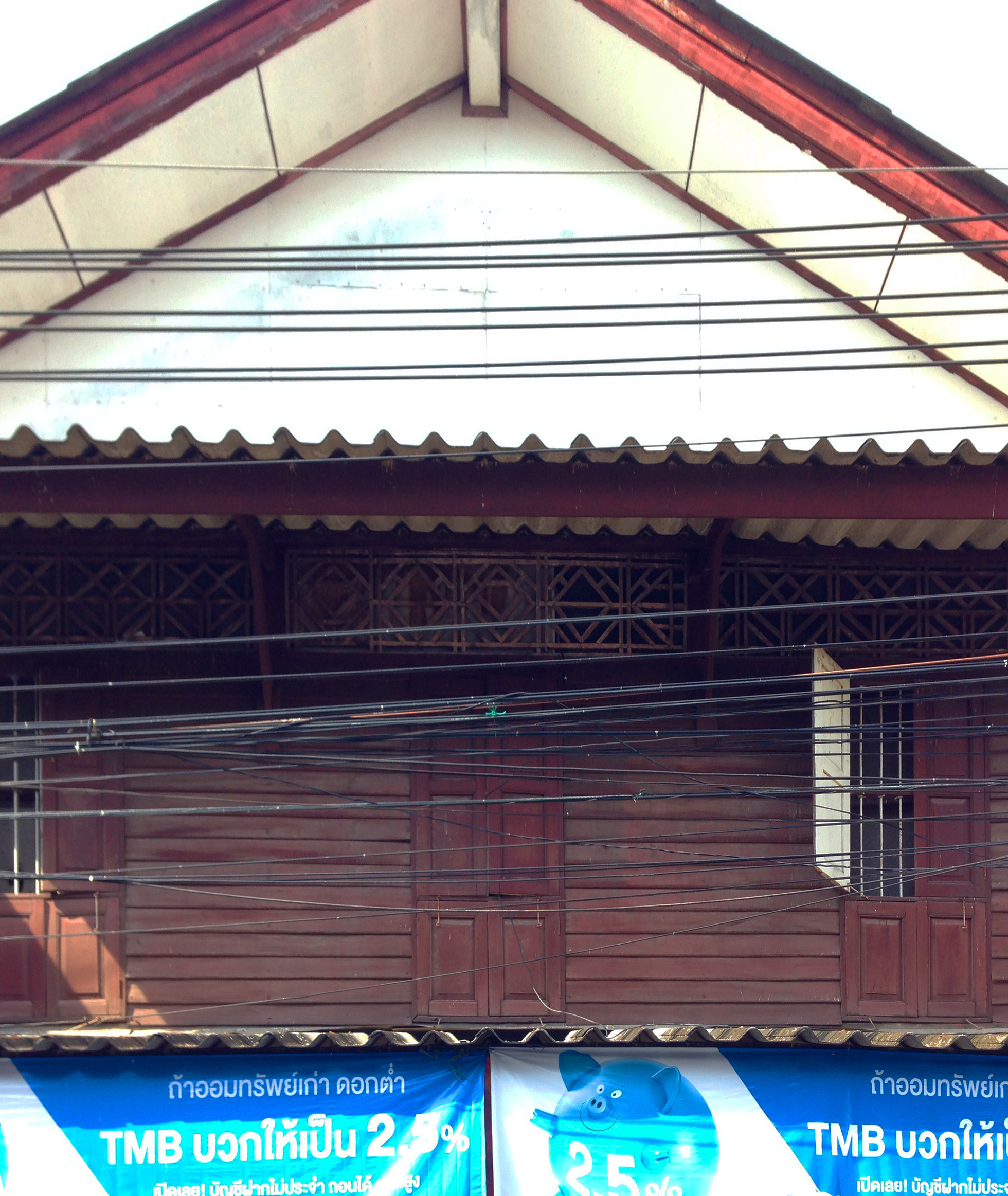
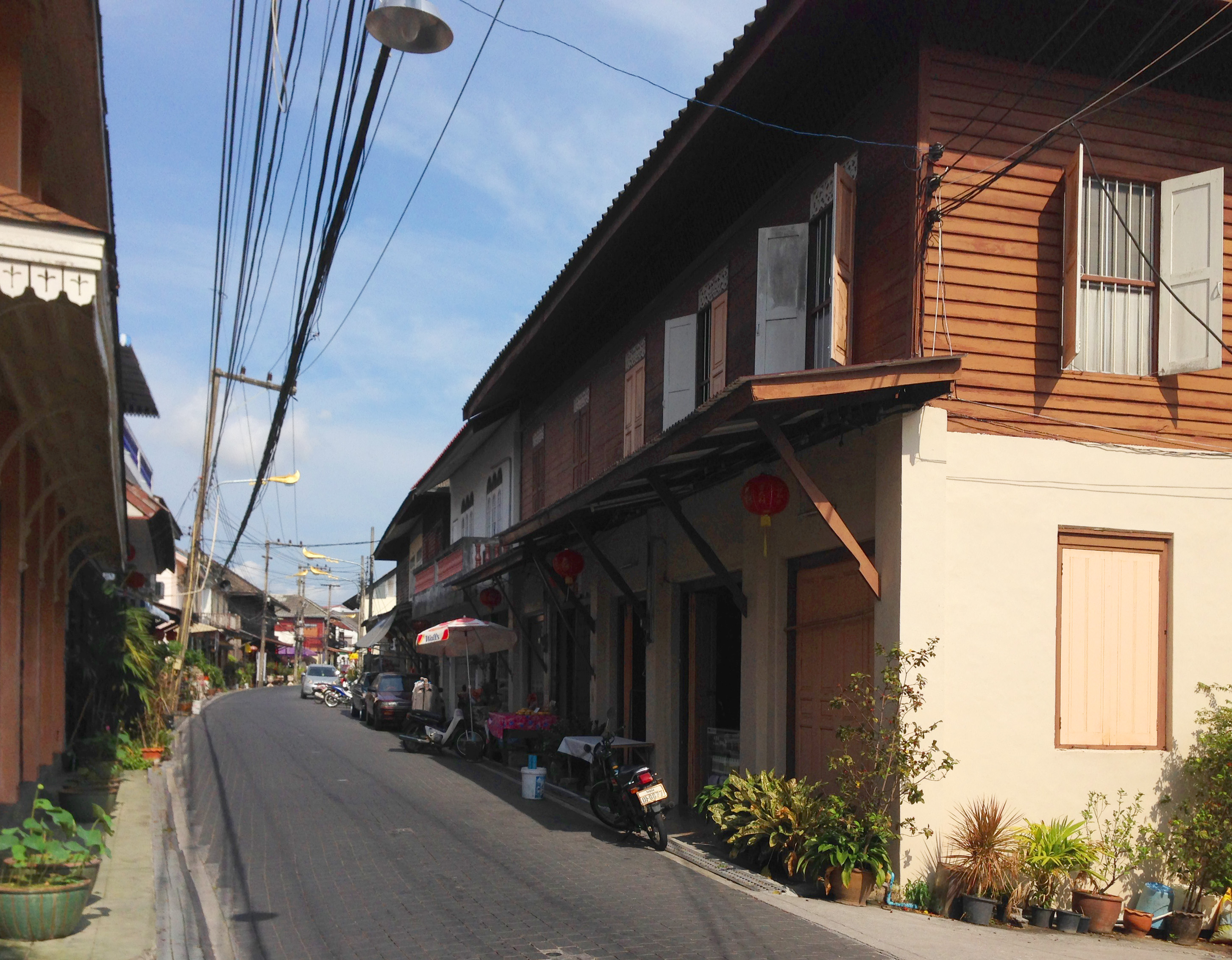
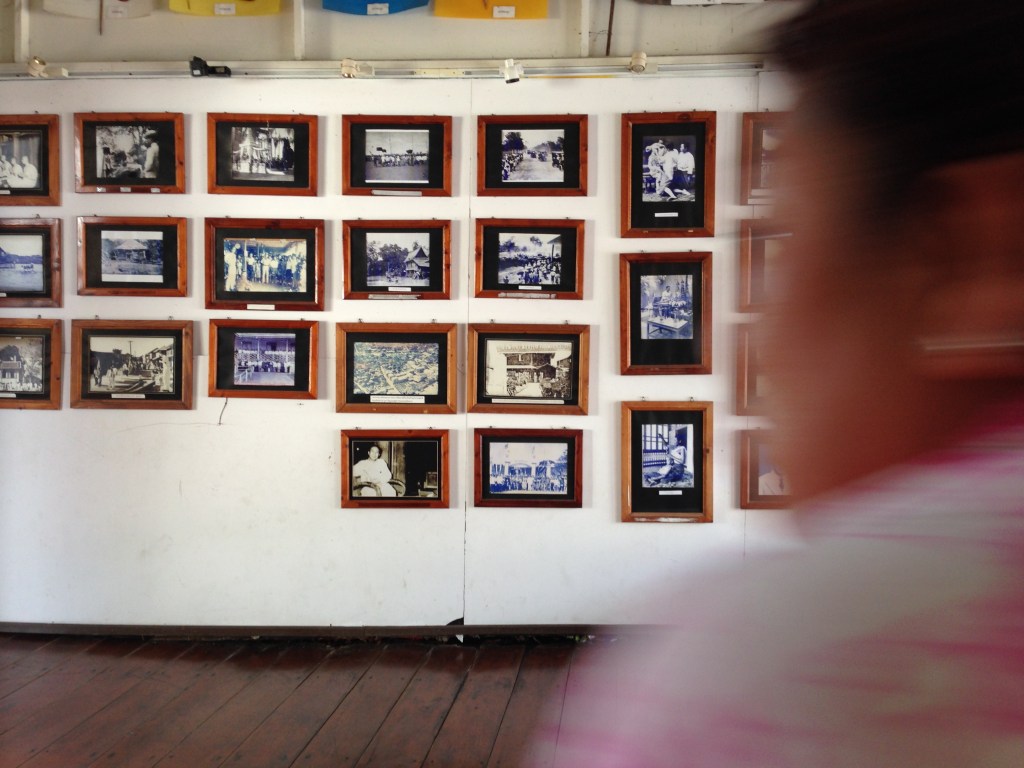
In 2014, members of the second generation thought they wanted to return home to live happily and relaxingly with their foreign partners, and their kid, the third generation of the family who was born and grown up in the region. The member of he third generation too got married and has a member of the fourth generation.
Buying a new plot of land near their childhood house, the second generation wanted to bring with them the memory of their parents as much as they could to the new house, while creating more comfortable spaces for them, their child, and grandchild. They realized that their simple-and-humble childhood house did not age well and would be unfeasible to be moved to the new plot and to be improved. They agreed with us to dismantle, select, improve, and reuse only some wood from the house in the new house. They were also not comfortable to live elsewhere during the construction of the new house. Their budget was tight. To pay rents for months was to be a big deal. All these meant that the new house needed to be designed to make all generations of the family feel comfortable with a reasonable price, and the old house could not be dismantled before the new one is ready for the family to move in. All these conditions inform how we design the new house.
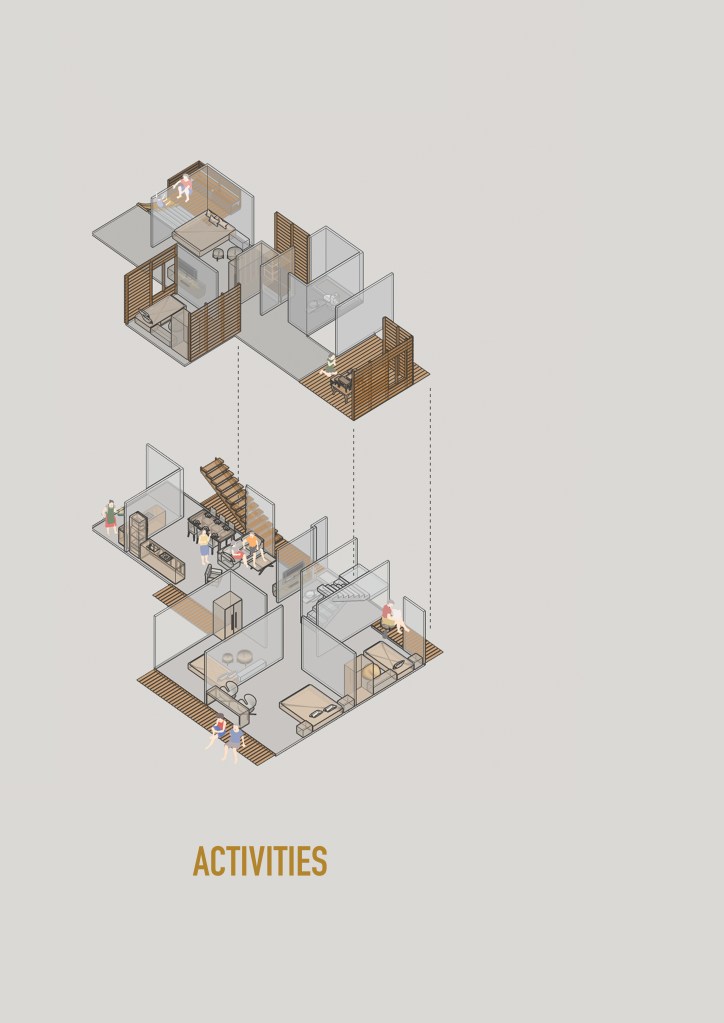
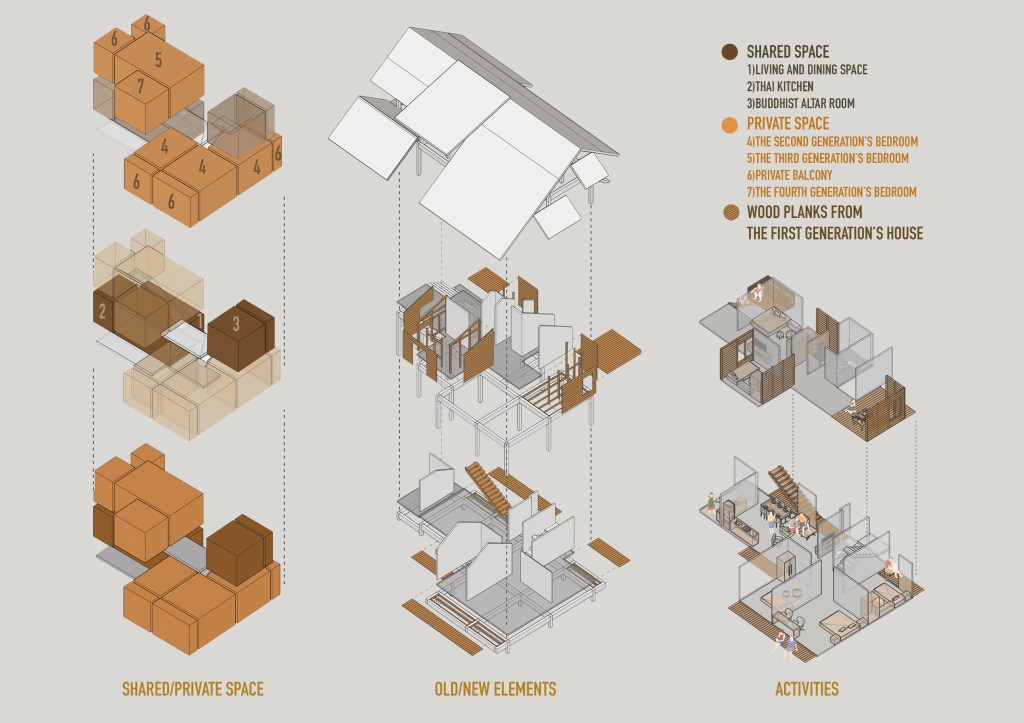
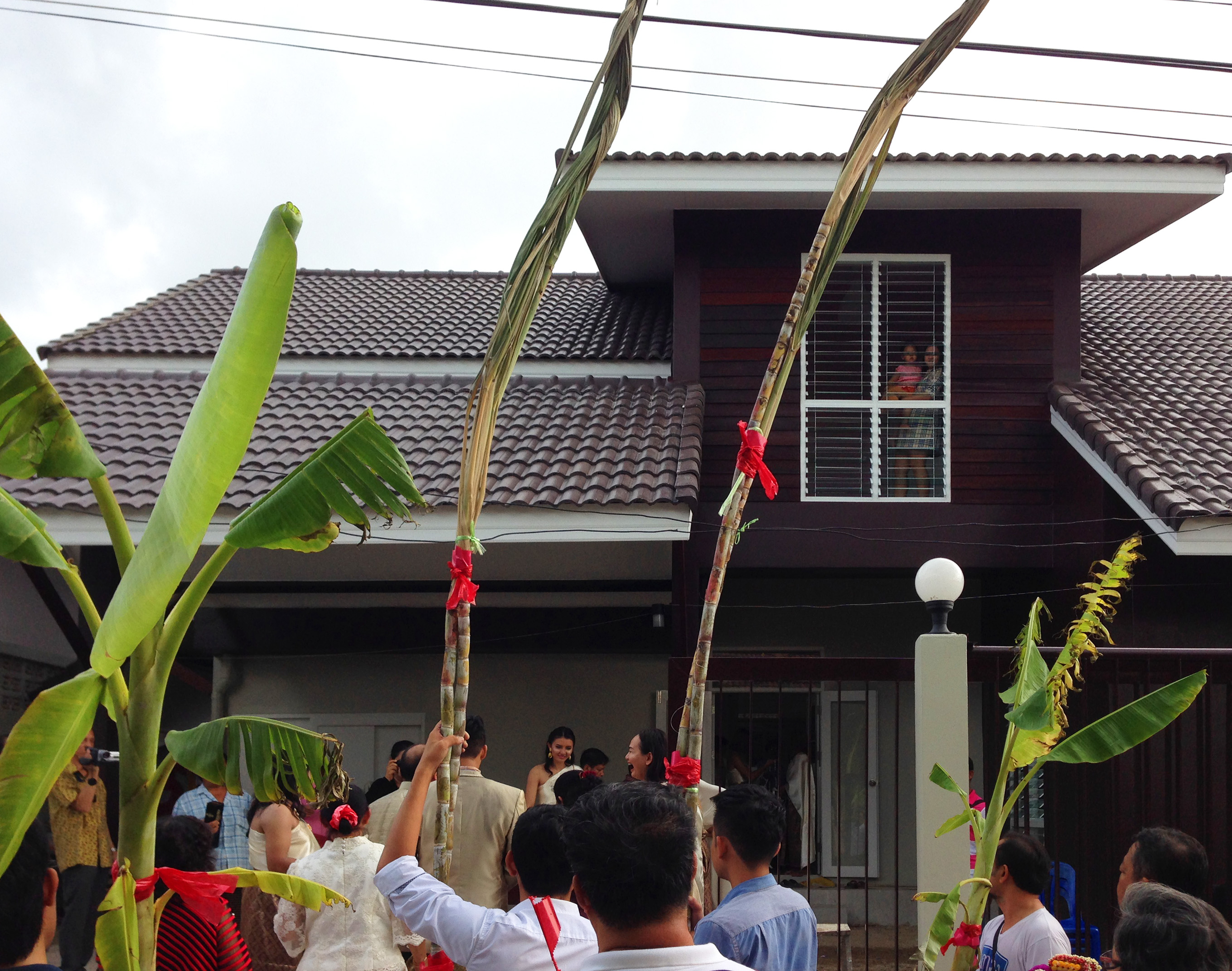
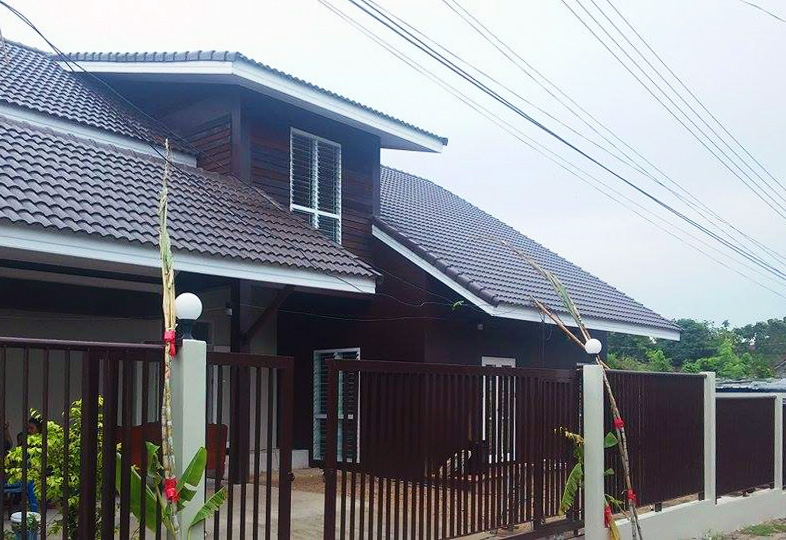
The new two-story house comprises shared spaces and private spaces. Its shared spaces bring all members of all four generations together and interact whenever each of them wants. Its private spaces are bedrooms and balconies. Each member of the family has his/her/their own private bedroom and balcony for private time. The ground floor locates shared spaces and private bedrooms of members of the second generation – the elderly. The upper floor locates the bedroom of the third generation and a Buddhist altar room. These arrangements are designed to ensure interactions among family members while maintaining their freedom to live their private lives. They also serve practical purposes such as minimizing the need for elderly members to climb up stairs, and belief in auspiciousness that putting the altar on the high point of the house.
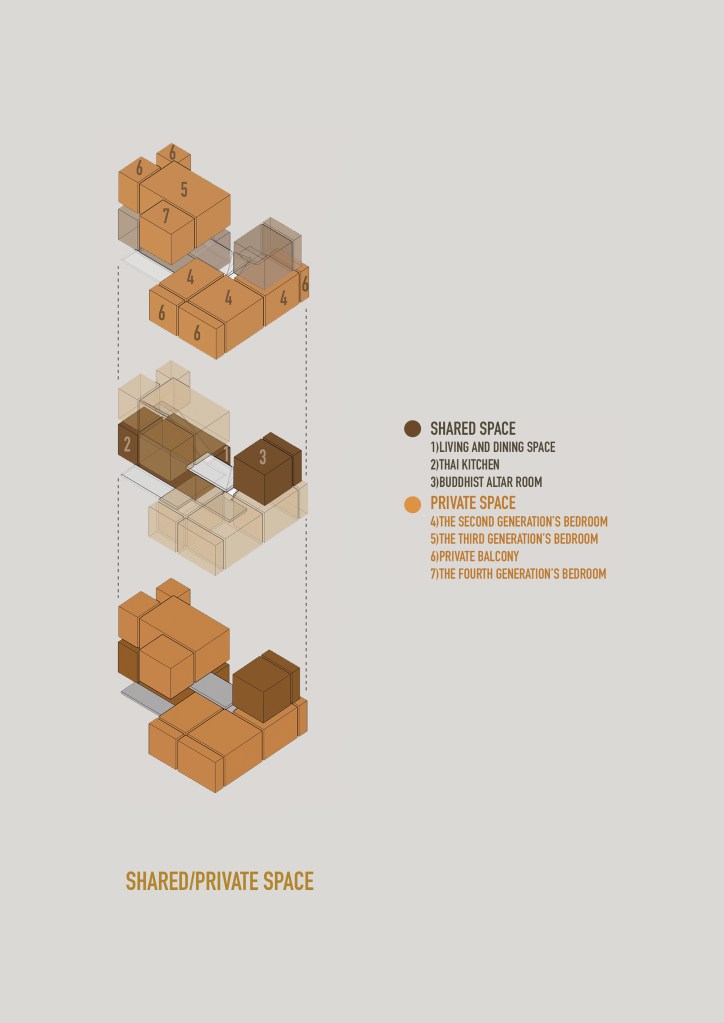
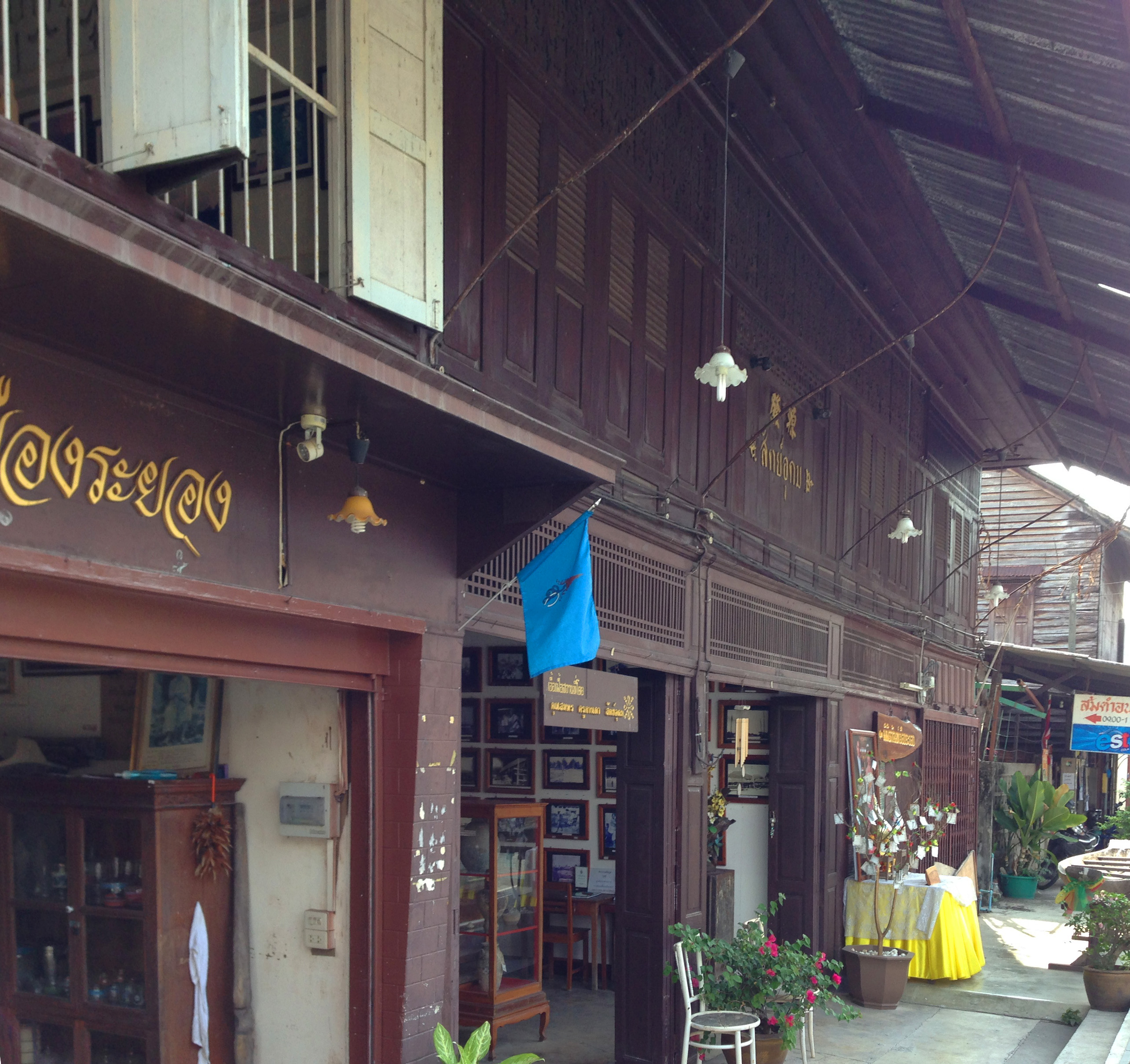
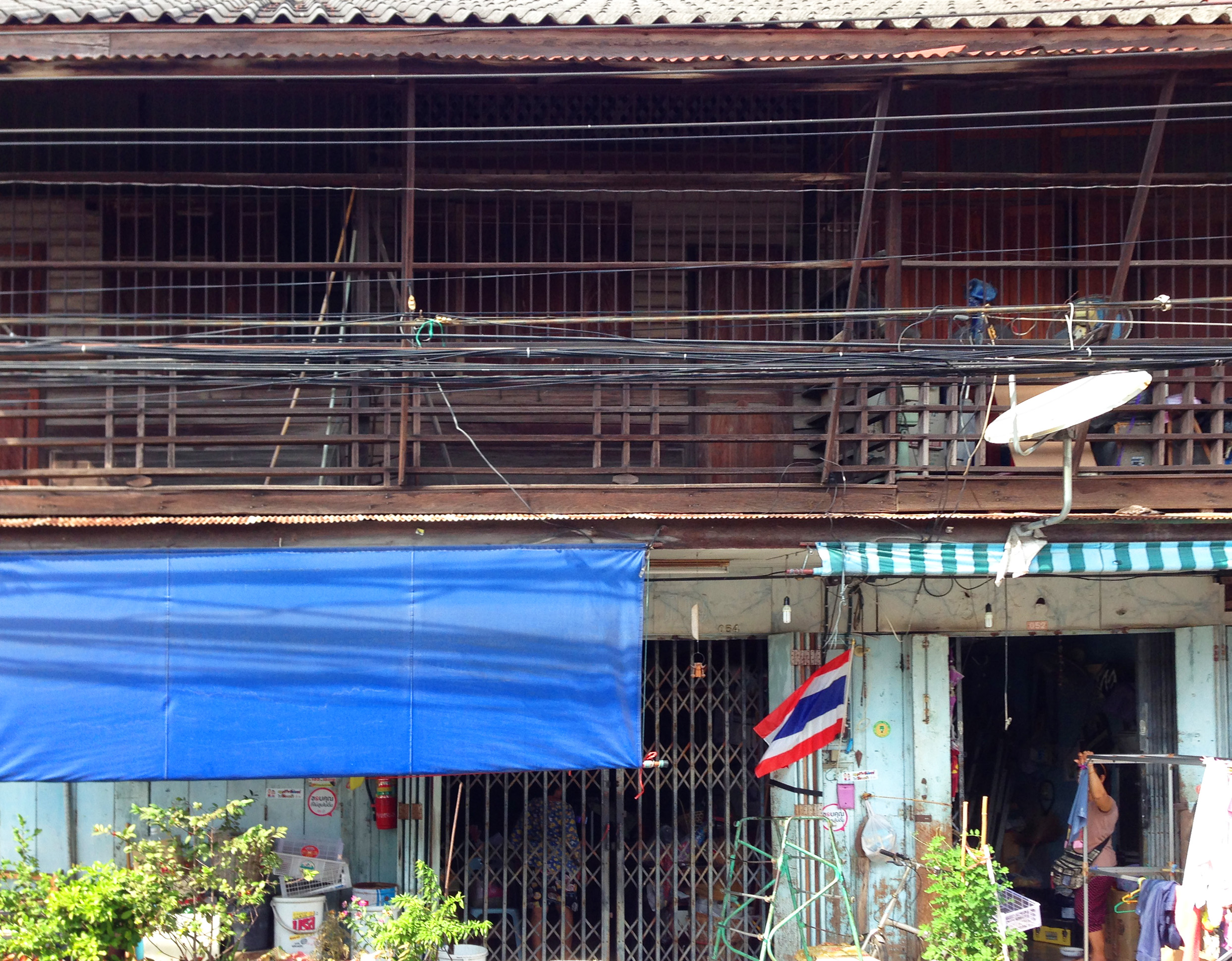
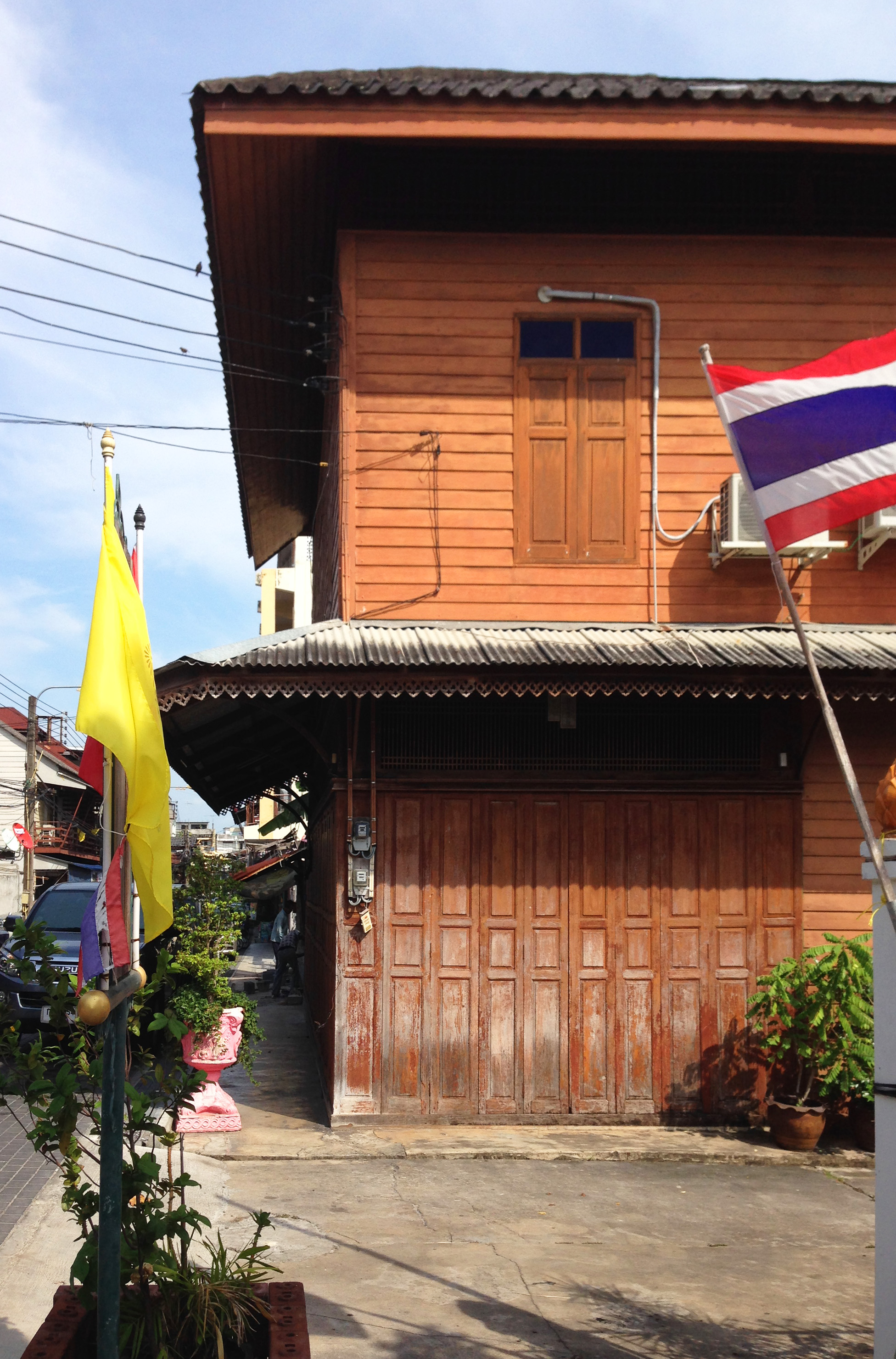
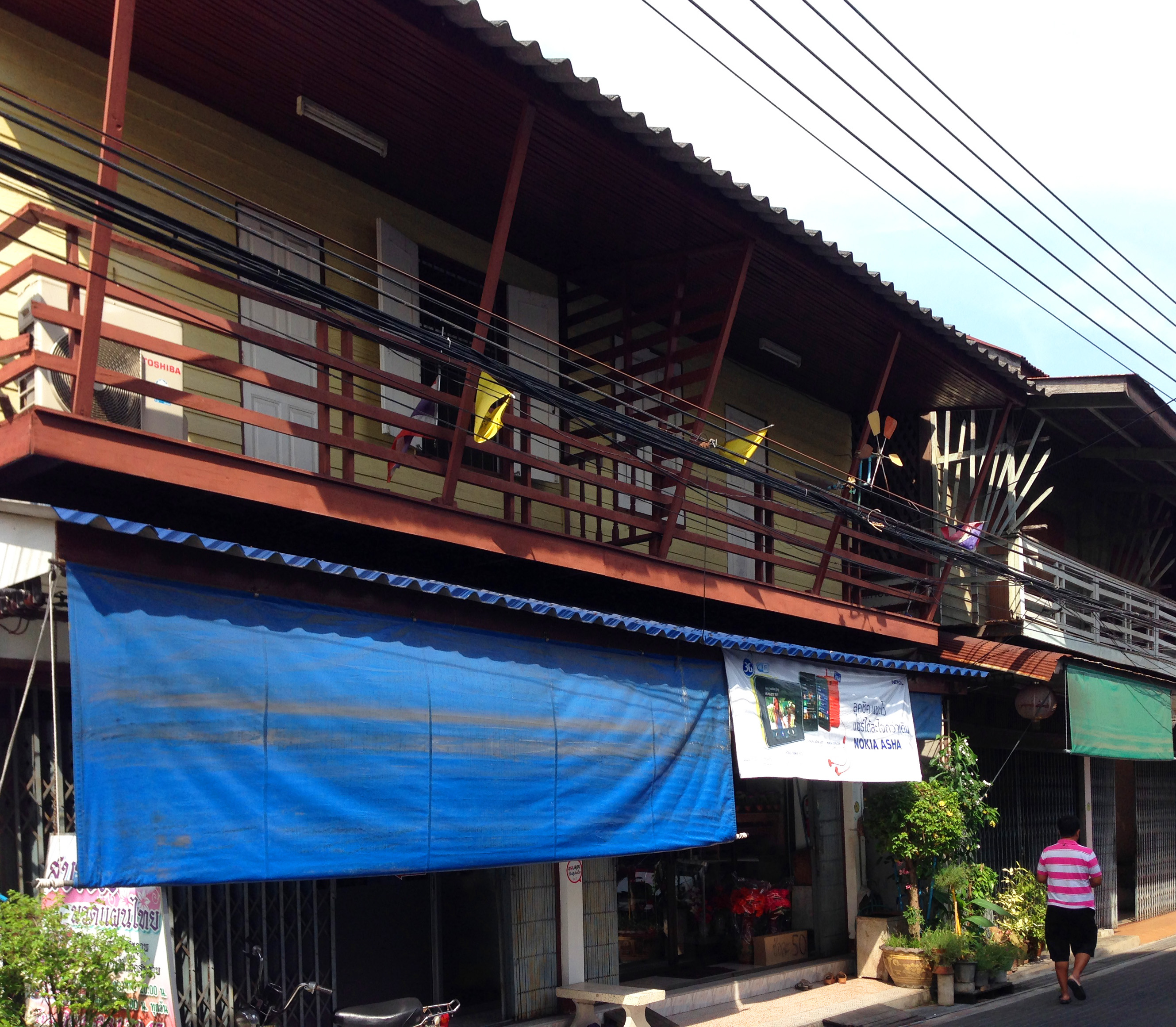
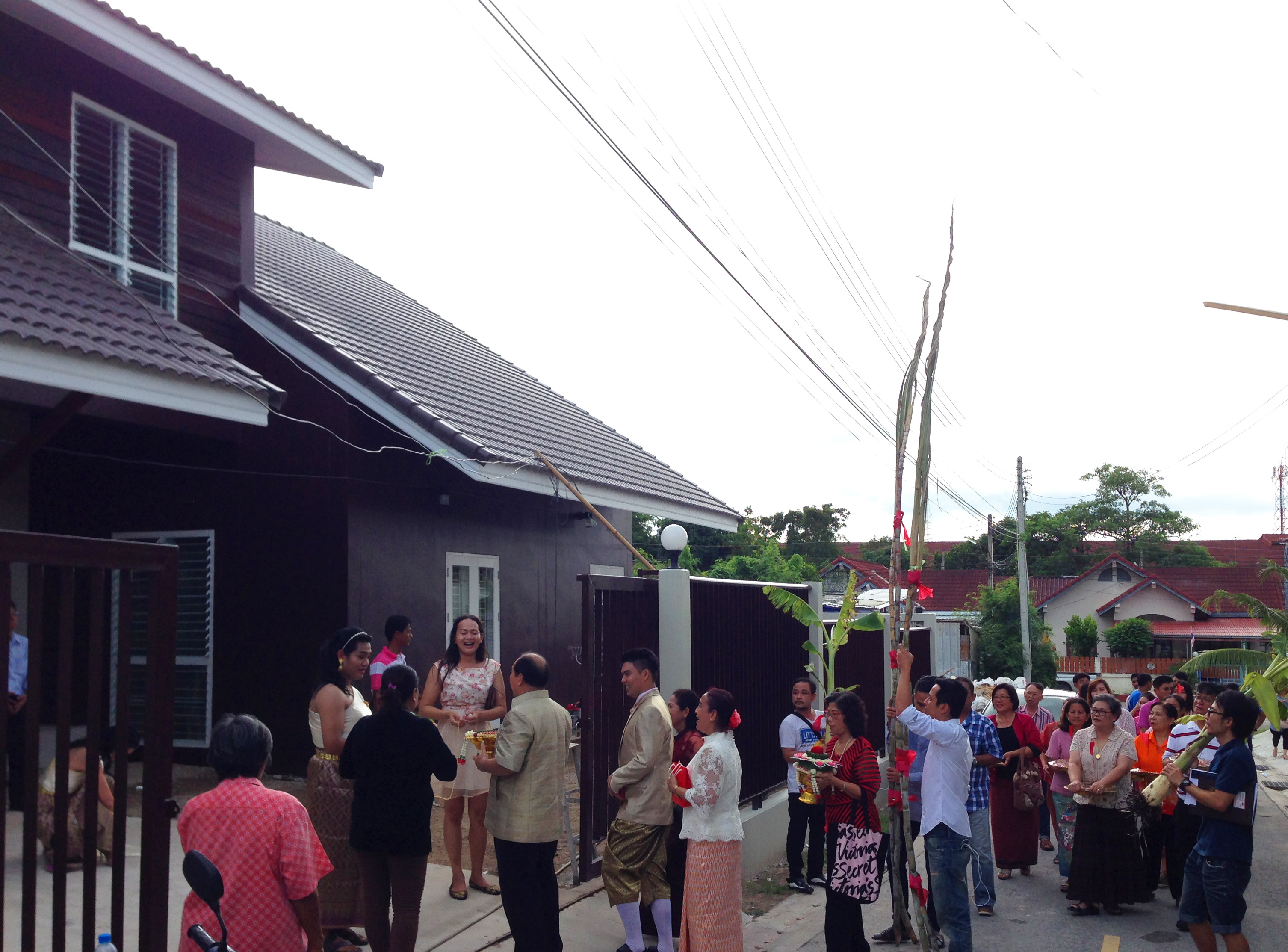
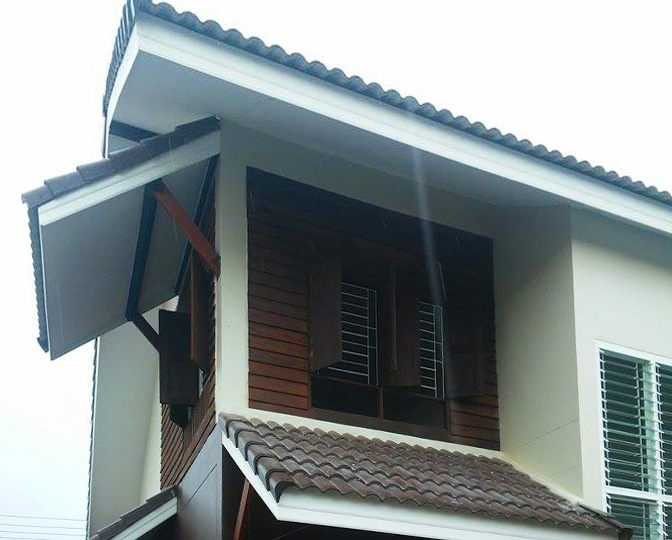
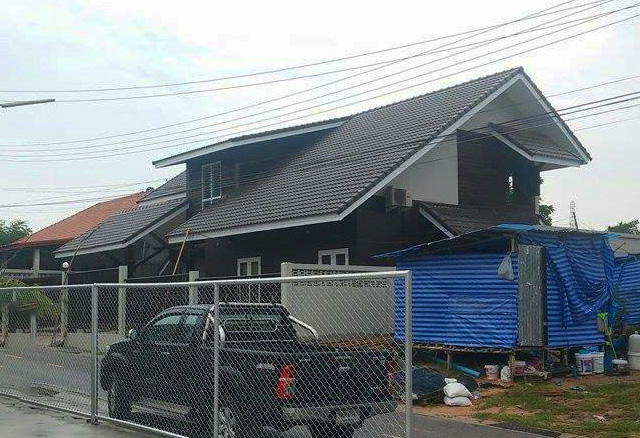
The house has a rectangular plan. It is located in a square plot of land. The front of the house faces south, and the back faces north. Two bedrooms and private balconies are placed in front opening toward a small front garden. Another bedroom faces a larger garden at the back. Shared spaces are opened toward both sides. This arrangement allows the prevailing wind from the south past through the shared spaces where all members of the family tend to use in most of day time. It also allows the wind to flow diagonally through all three bedrooms and their balconies, ensuring comfort whenever the occupiers of the room want private time. A Thai kitchen is located in a semi-outdoor space at the west side, receiving afternoon sun that ensures hygiene while blocking it to penetrate the shared space. It also easily ventilates out strong smell and smoke from Thai cooking. On the upper floor, the bedroom of the member of the third generation and his wife has a large balcony and a separate access adjacent to it from the back garden. It is also adjacent to a bedroom for the forth generation in the future (now she sleeps with her parents and enjoys a slider at their balcony). The other side of the upper floor, the northeast corner, locates a buddhist altar room where members of the family could go to worship and do meditation in a seclusive and comfort atmosphere. All rooms on both floors are shaded by long eaves, a feature used in the house of the first generation and Rayong’s old wooden shophouses that well-responds to tropical climate.
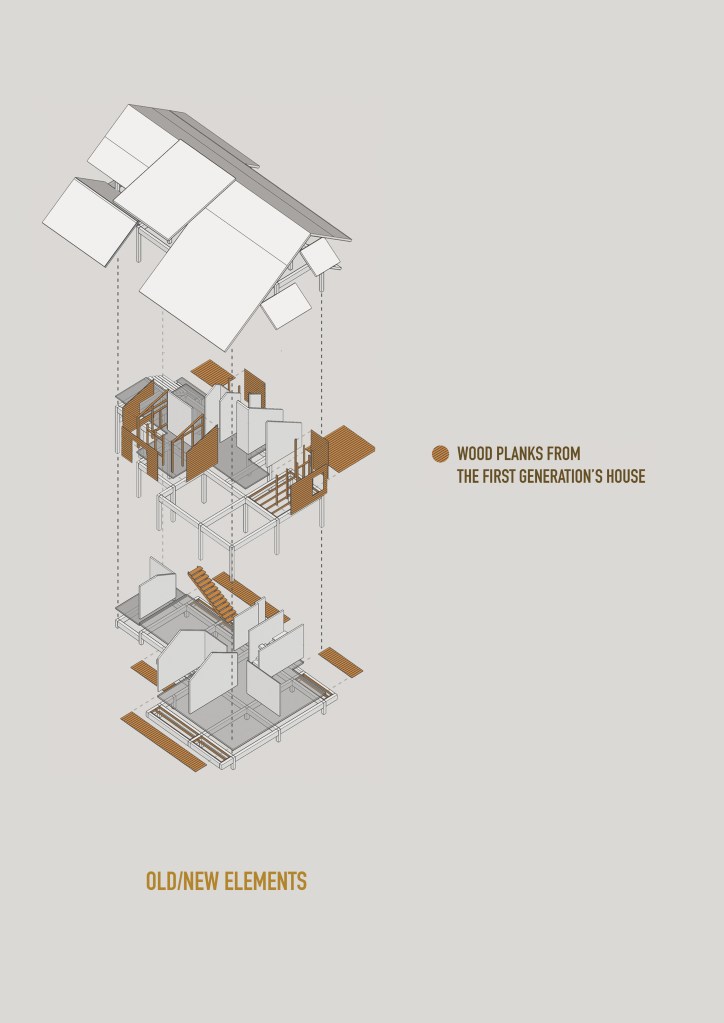
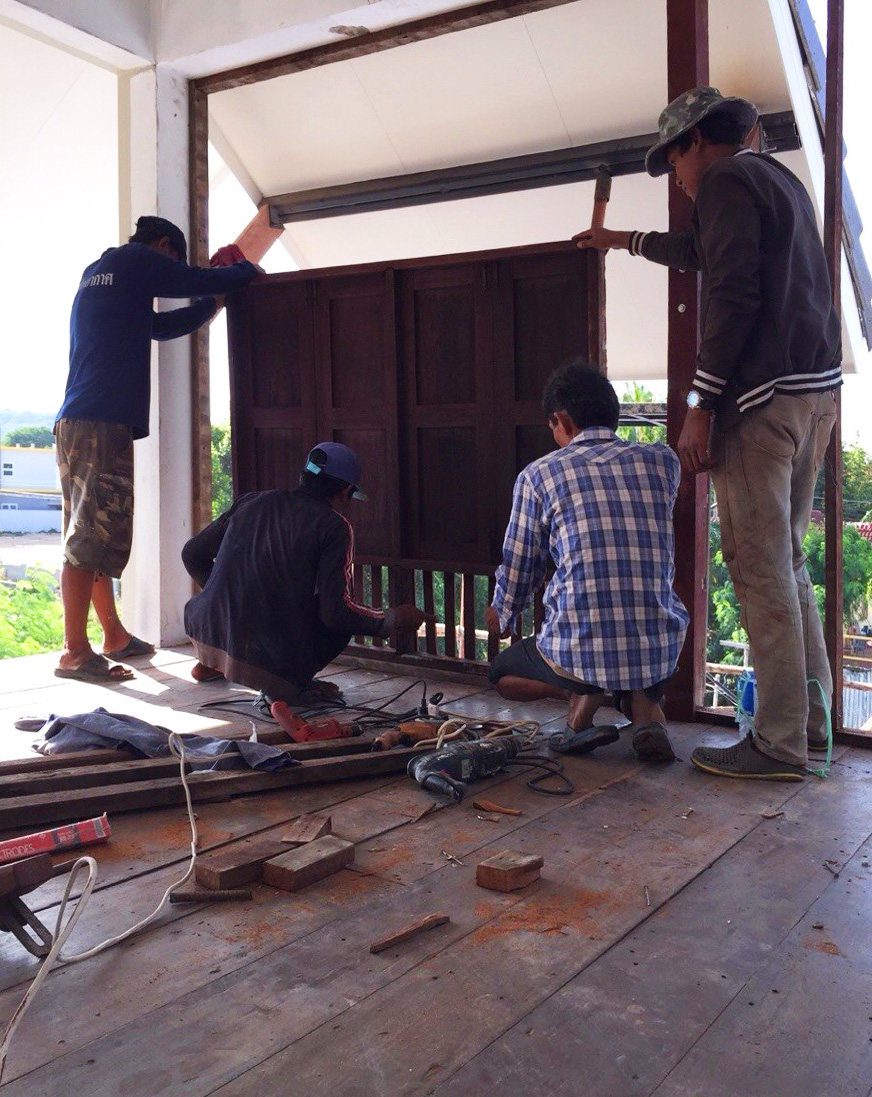
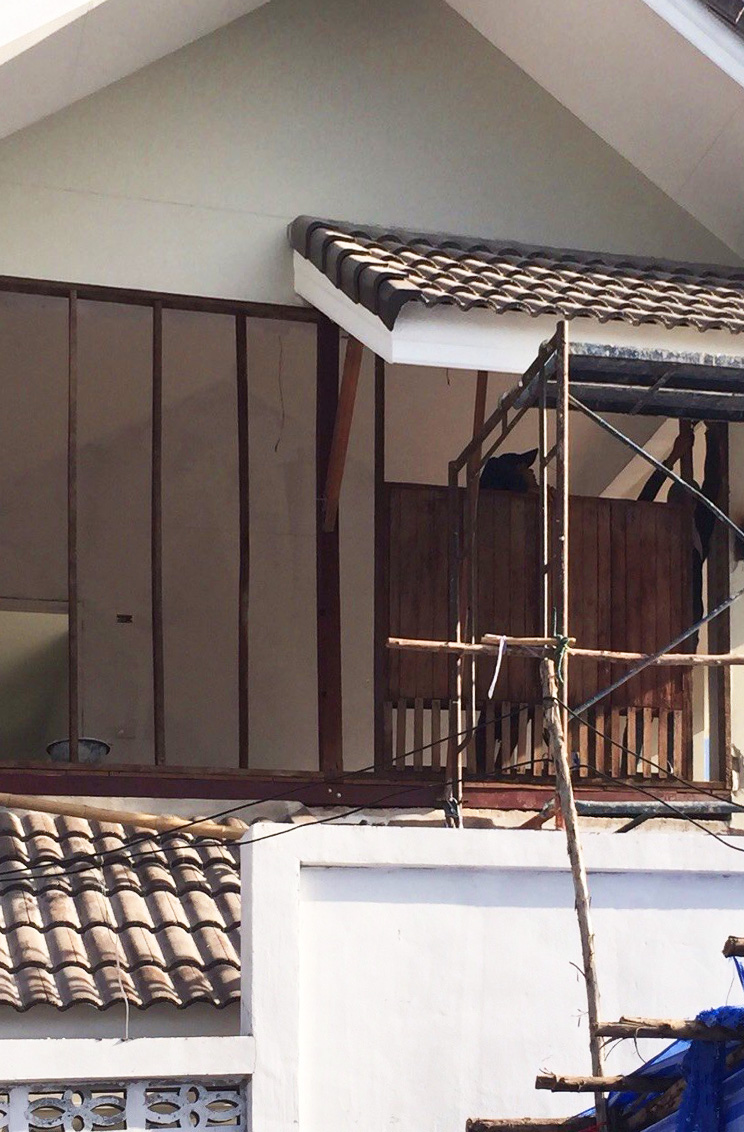
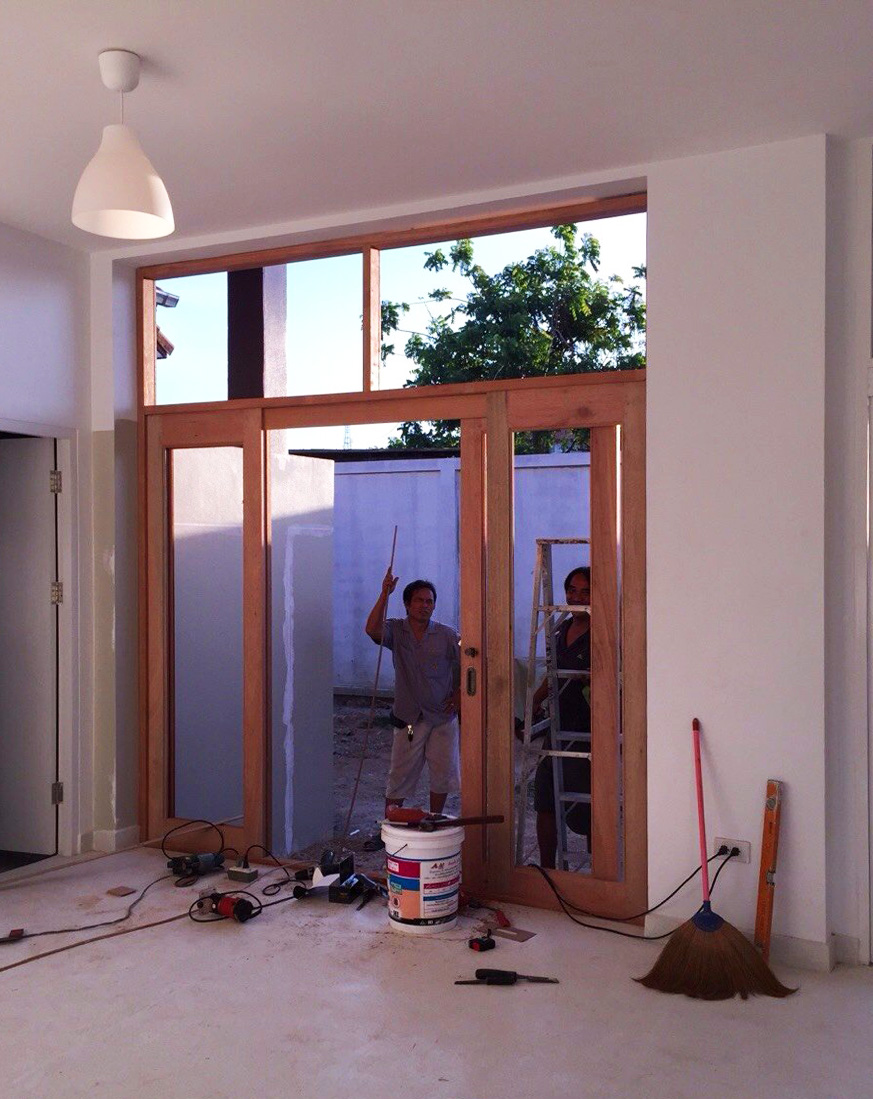
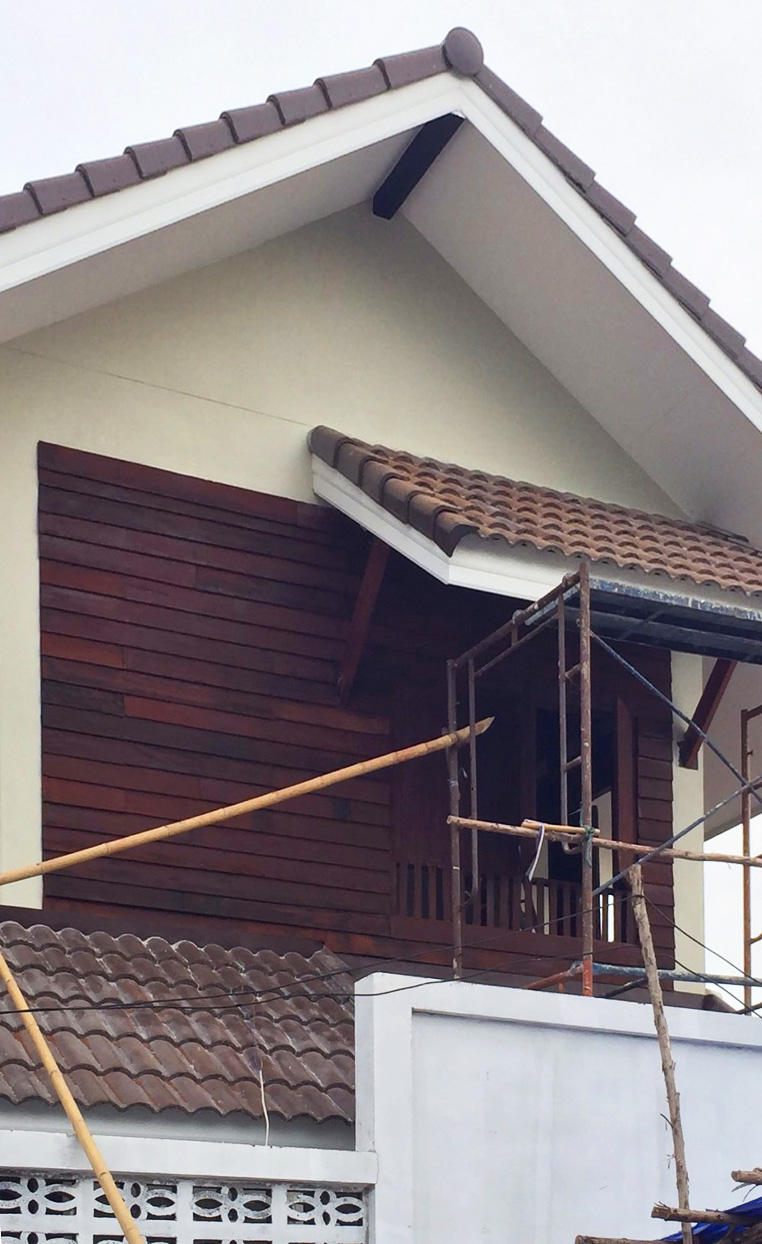
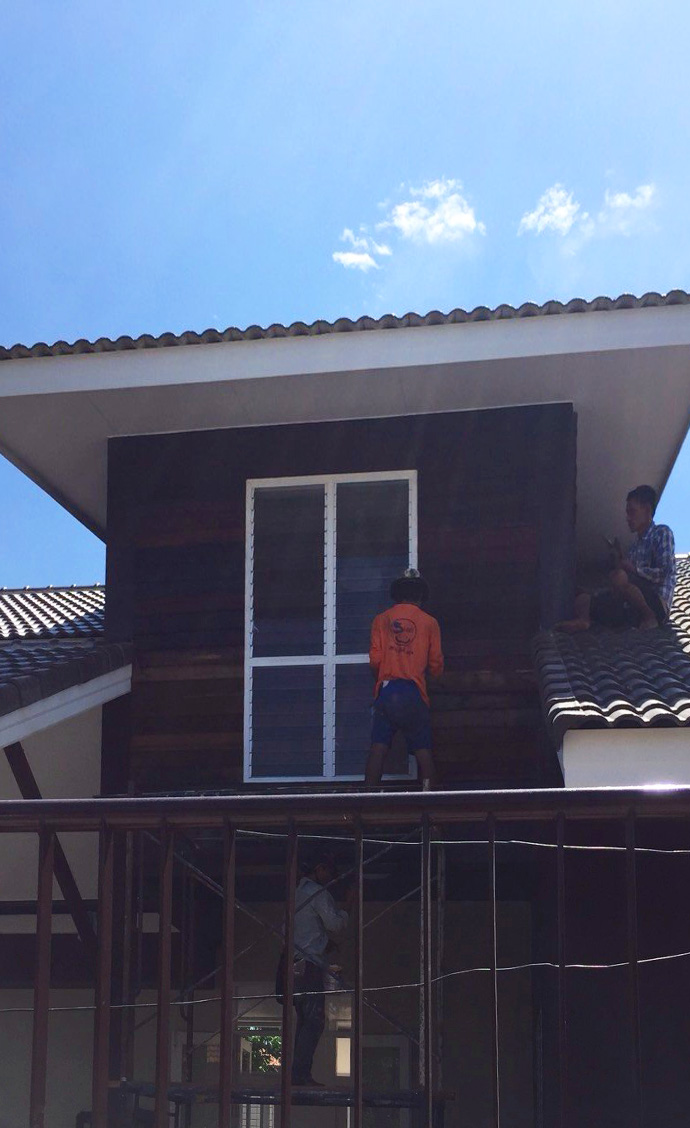
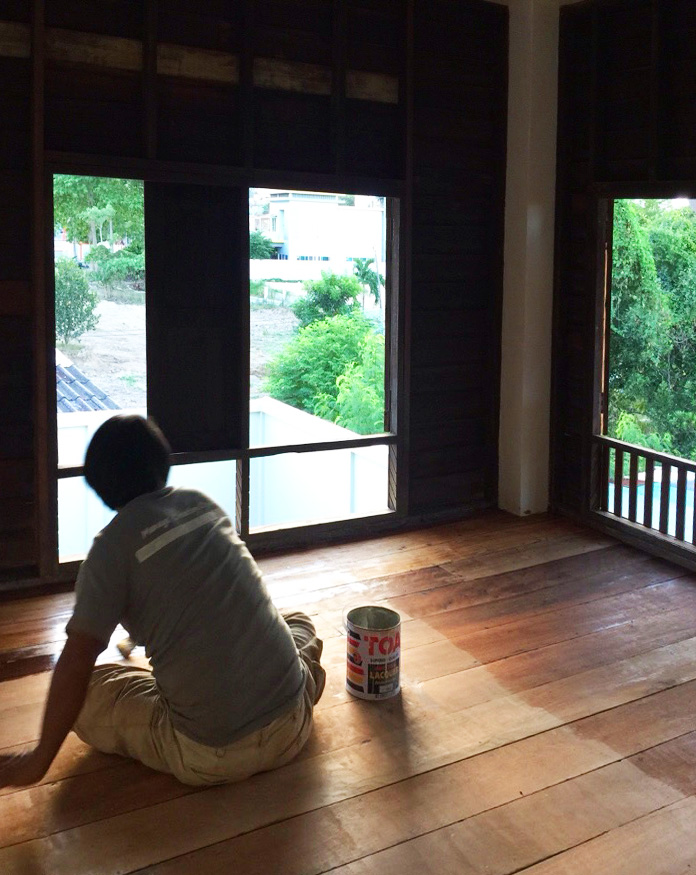
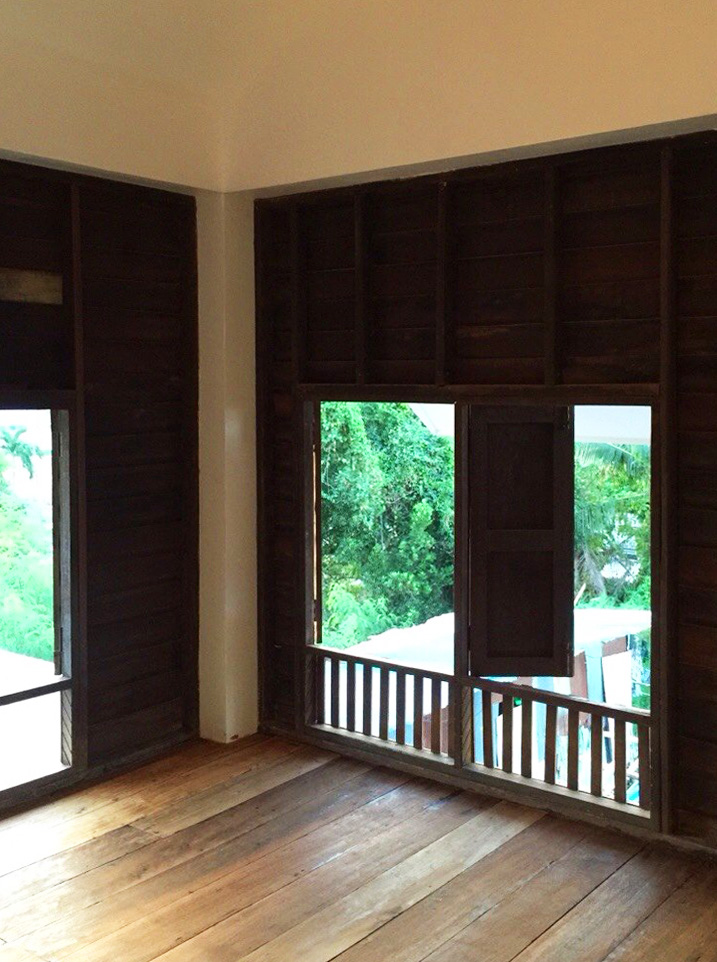
Main materials of the house are reinforced concrete structure and plastered brick walls. Balconies of shared spaces and bedrooms, and Buddhist altar rooms are paved by reclaimed wood planks from the house of the first generation. Walls, windows, and ventilation grills of the Buddhist altar room are also made from the reclaimed wood. The rest of the reclaimed wood is used to make walls for the future bedroom of the fourth generation. All these arrangements are done according to three reasons. First, the amount of reclaimed wood possible to be improved and used fits the areas mentioned. Second, the use of the reclaimed wood in these areas remind all members of the family their memory about the first generation. Third, the installations of wood components in these spaces could be done after all members of the family have moved in the new house and have already had both shared spaces and their private spaces to stay.
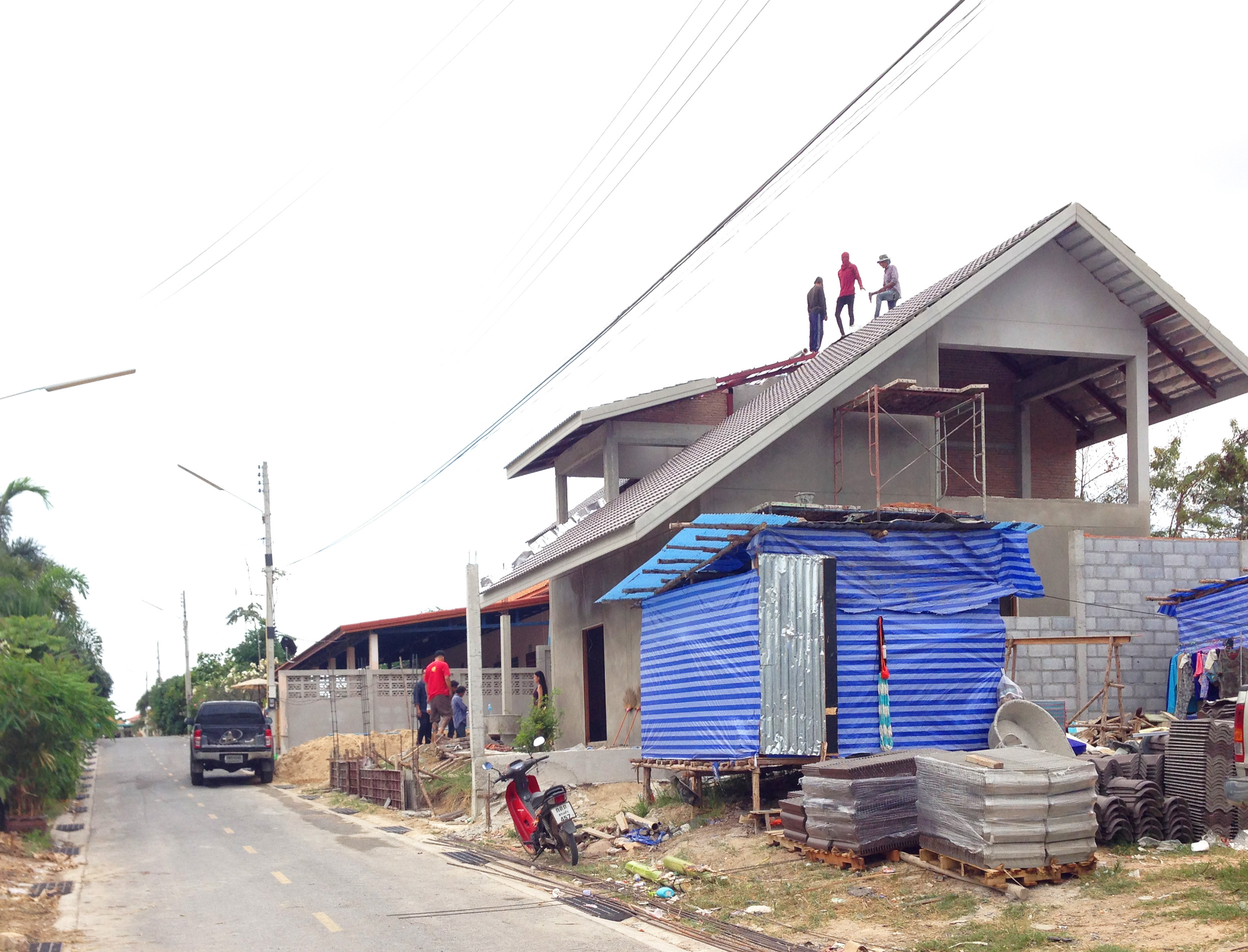
The design and construction process of this house demonstrate an affordable and practical way to improve living condition of people while maintaining and pass over the memory of their past. It responds to the need for change and identity in life.



 DRFJ
DRFJ 