2017-2021
Architectural design by Fusinpaiboon and Jang
Interior design by Ground Architects
Fusinpaiboon and Jang designed a new house for a family of Chinese descent in Thailand’s northeastern city Udon Thani with both Feng Shui and Universal Design principles in mind. The main theme of the design revolves around the integration between the old and the new.
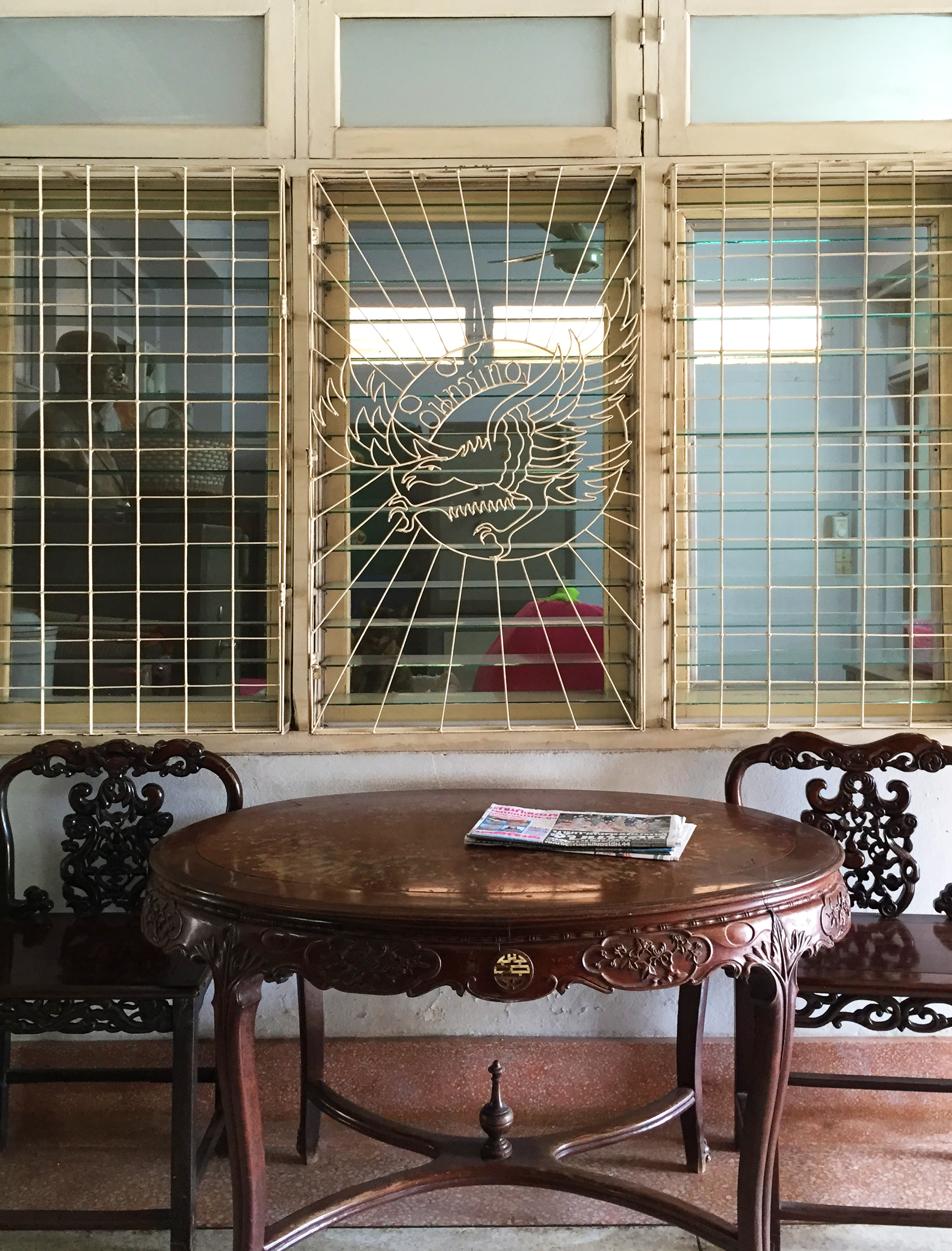
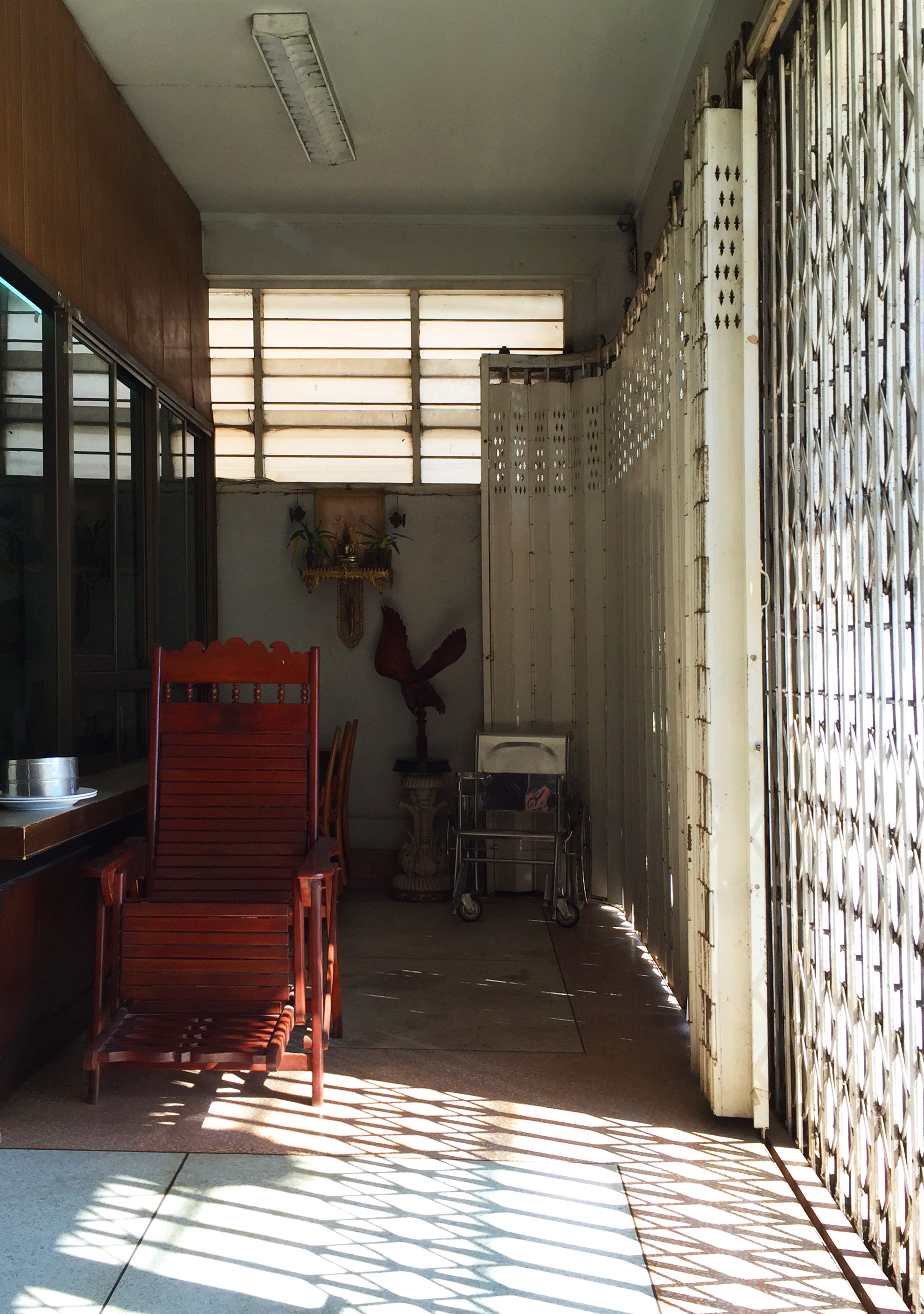
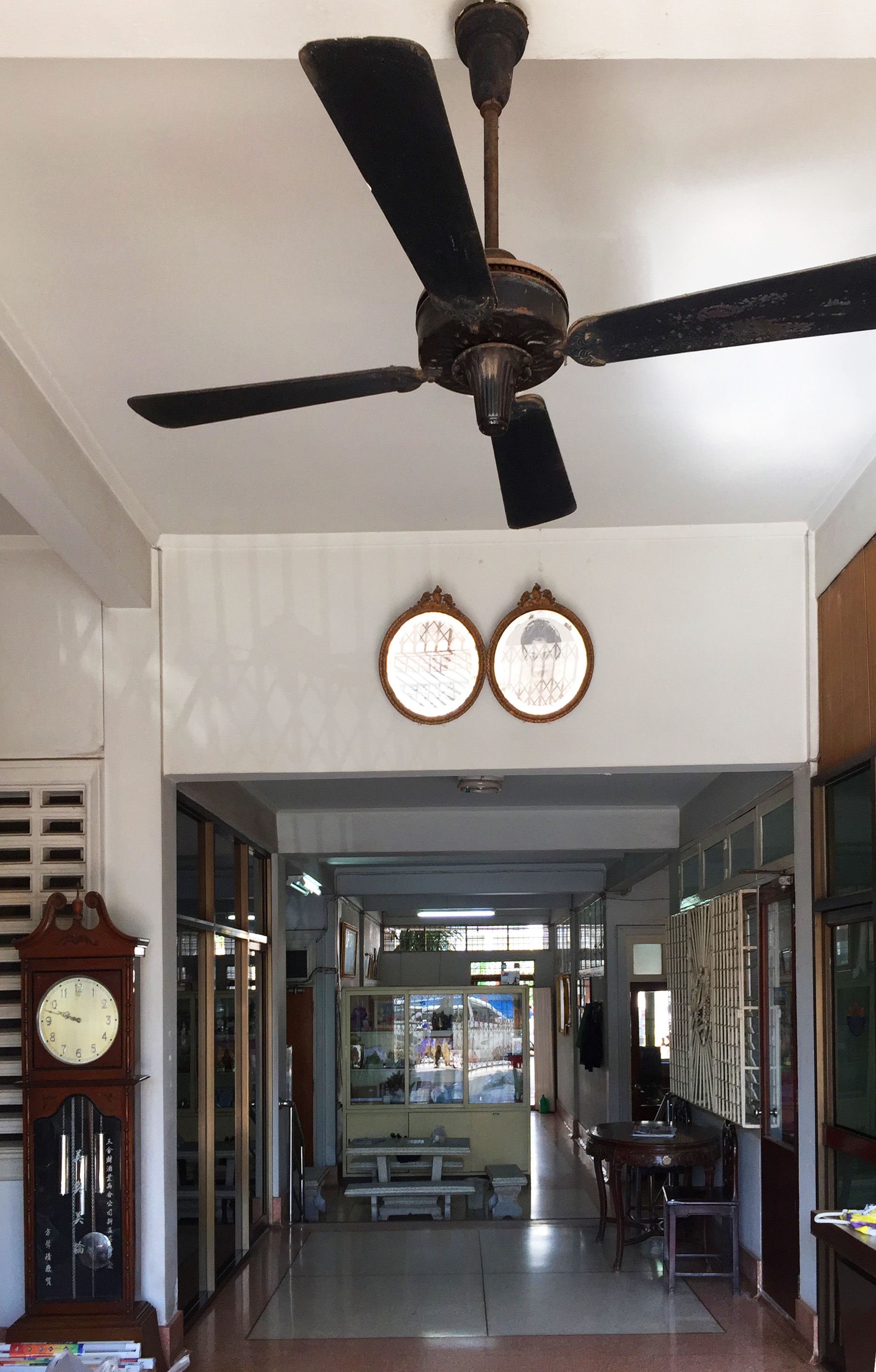
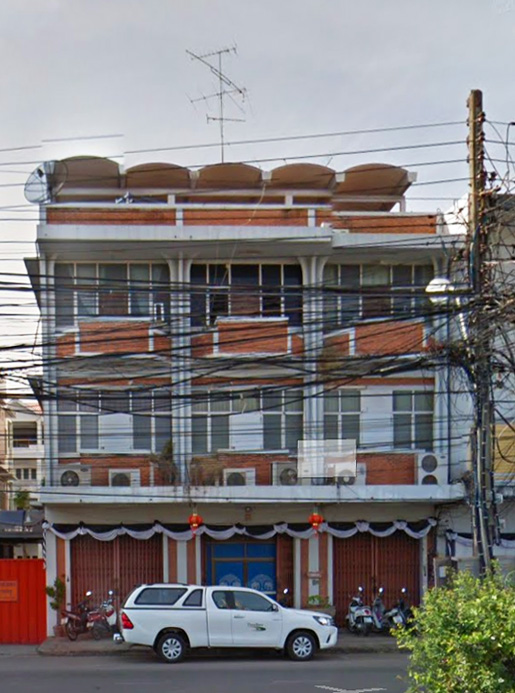
Both the city of Udon Thani and the immediate surrounding of the site, which is located in a sprawl area of that city, are interesting contexts in terms of their place in the development of the region. Udon Thani’s city centre, where the original home of the client is located, was a bustling commercial district during the late-1960s and mid-1970s due to the ally between Thailand and the USA during the Cold War period that brought in an American Air Force base serving the Vietnam War. The city became quiet after the war up until the end of the 20th century. Built in the city centre during the boom years, the original house of the family is located in the same premises as their business. It is a three-story shophouse built with reinforced concrete frames and exposed brick walls. Facing a street, the simple-yet-elegant house is between an office and a cinema, run by the family. Living in the same premises as the business of a family was common for most Thai business families of Chinese descent in the past decades. Especially for a small city in the last couple of decades, the community were close-knit. Atmosphere of the neighbourhood was safe and carefree.
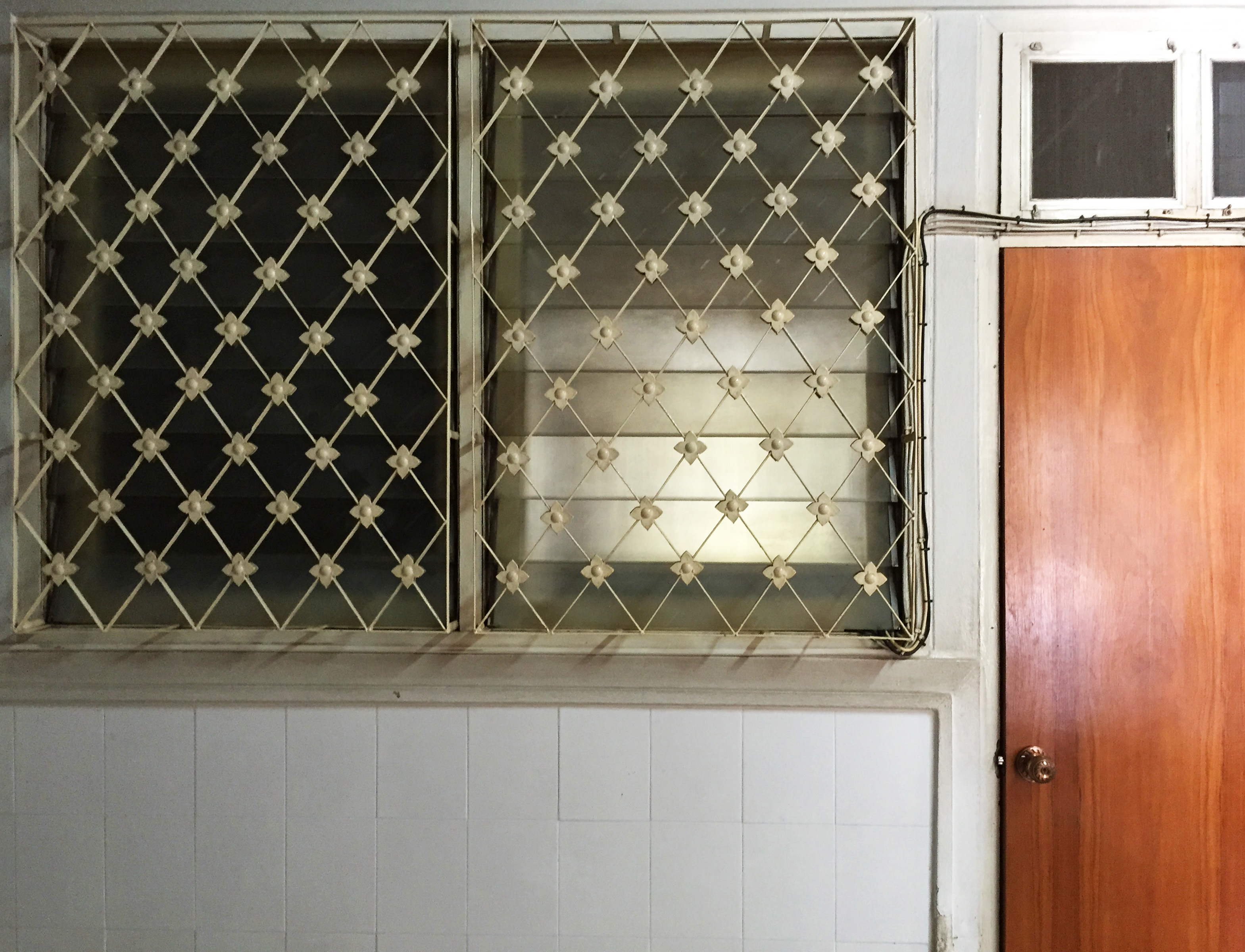
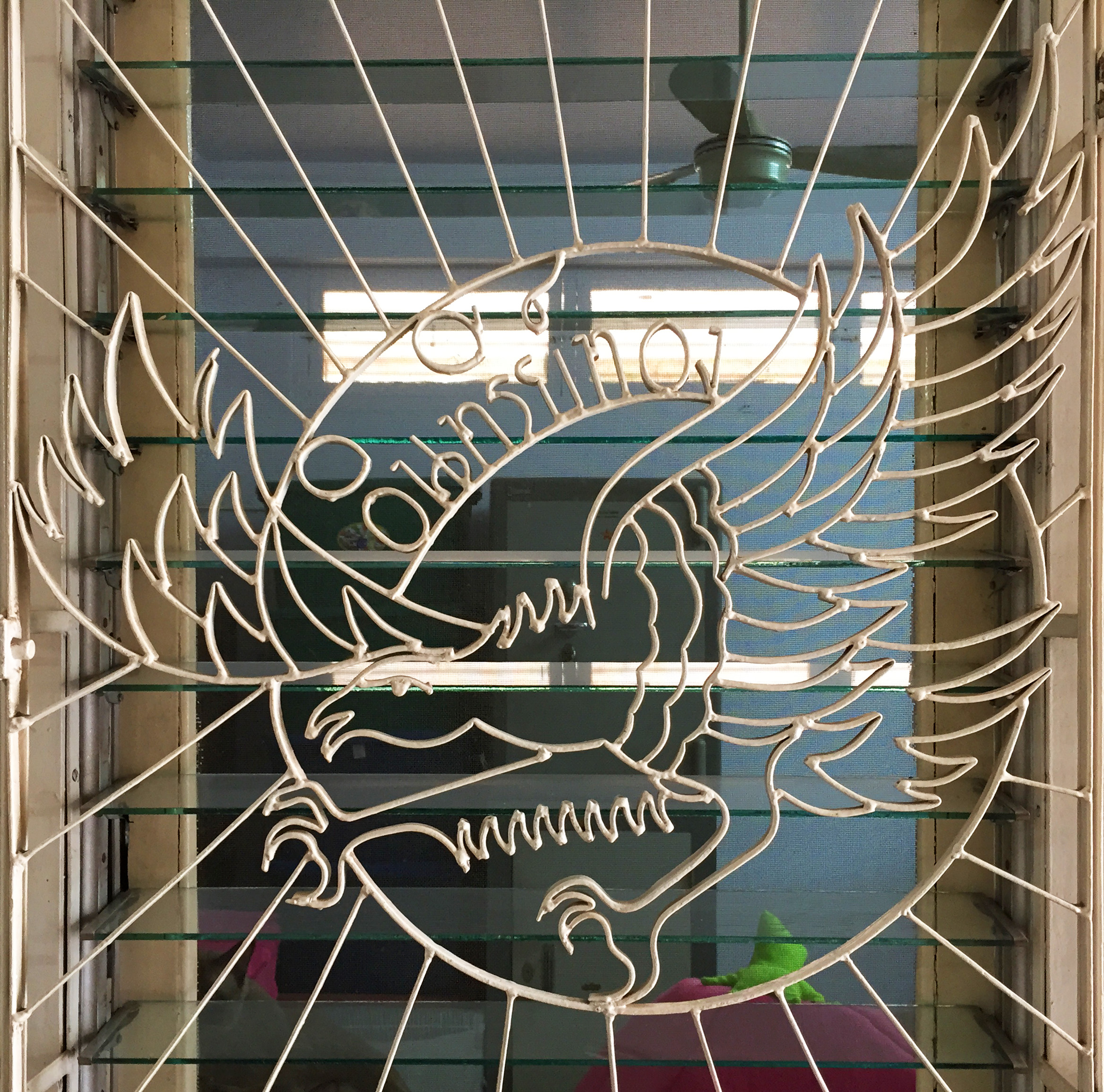
Like many main cities of the northeast region of Thailand, recent transformations in urban development have been accelerated by projects related to ASEAN Economic Community that aim to link and expand the markets of Southeast Asian countries since the 2010s. Actually, the opening up of Laos PDR’s economy has contributed to the economy of bordering Udon Thani, to where Lao traders and shoppers easily drive, since the early 2000s. Despite some changes in the city centre, the main transformations have taken place outside its periphery, creating an urban sprawl.
The Siwanvithus, the owner of this project, want to build a new house outside the city centre. They want a new place where the retired senior members of the family could have more green space to enjoy, and cleaner air to breath in. Their original house does not allow them to do so because of the limited space of the plot. They also want their new house to accommodate their limitation of mobility due to their age. The original house is currently not generous to them in this aspect too because it is a three-story house that residents need to climb up and down. At the same time, they do not want to stay too far from the city centre where they have been so familiar with. They finally bought a large piece of land 8 km. from their original home. The site is in one of the sprawling areas on inter-city roads. It is still quiet now, but likely to be busier soon due to the expansion of the road, and the establishments of the campuses of two universities.
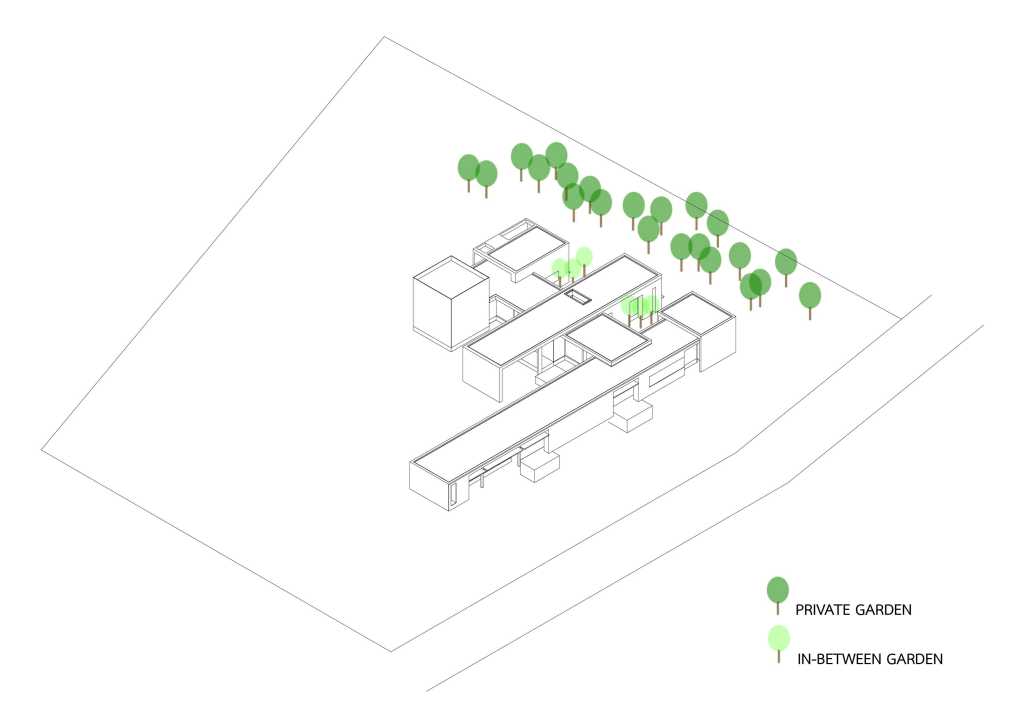
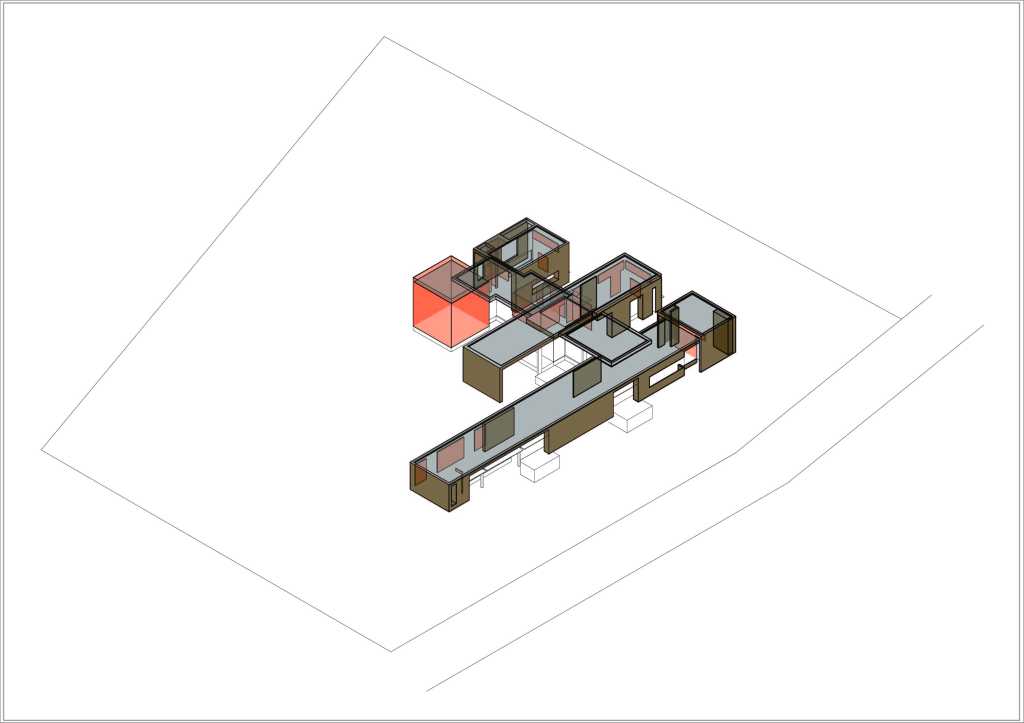
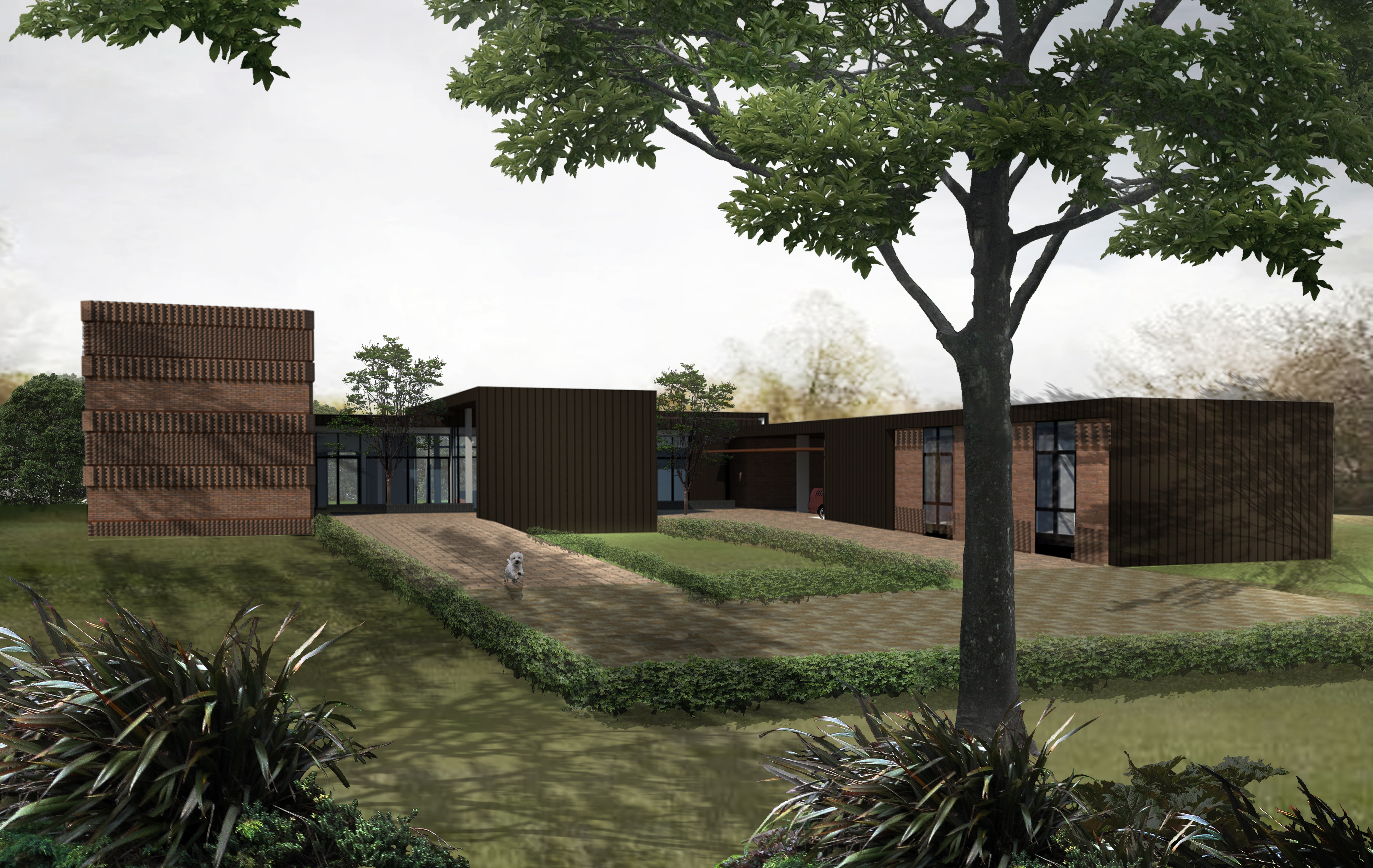
Fusinpaiboon and Jang’s main intention in designing this house is to assure each family member’s privacy and comfort – both physically and spiritually, while allowing each of them to interact with each other and with outside world whenever they wish. This intention is firstly applied to the design of the lay out of the site. By considering both privacy and financial opportunities in the future, the site is divided into two parts. The first part adjacent to the main road is left empty for future project, potentially a commercial one. Accessible from the secondary road, the back part of the site is actually where the house is to be built. Within this part of the site, a large front garden is located at the front half while the house and its smaller-and-cosy gardens occupies the back. The front garden is large enough to not only provide a sense of transition from a public to private world while residents drive through it to approach the house, but also enough to occasionally organize large receptions for guests of the family.
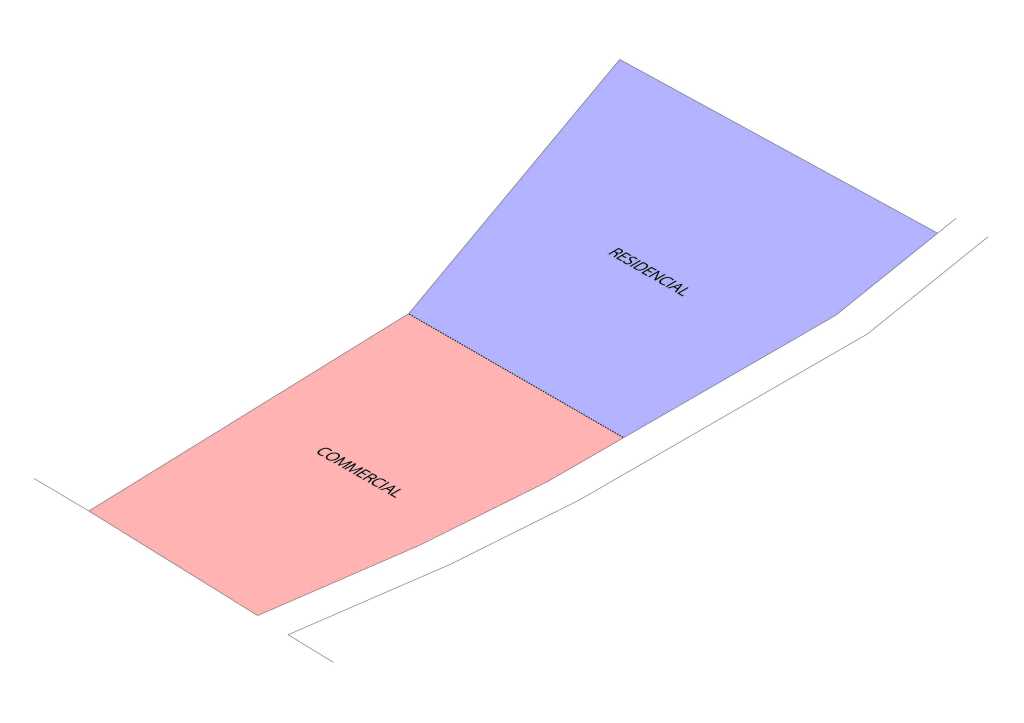
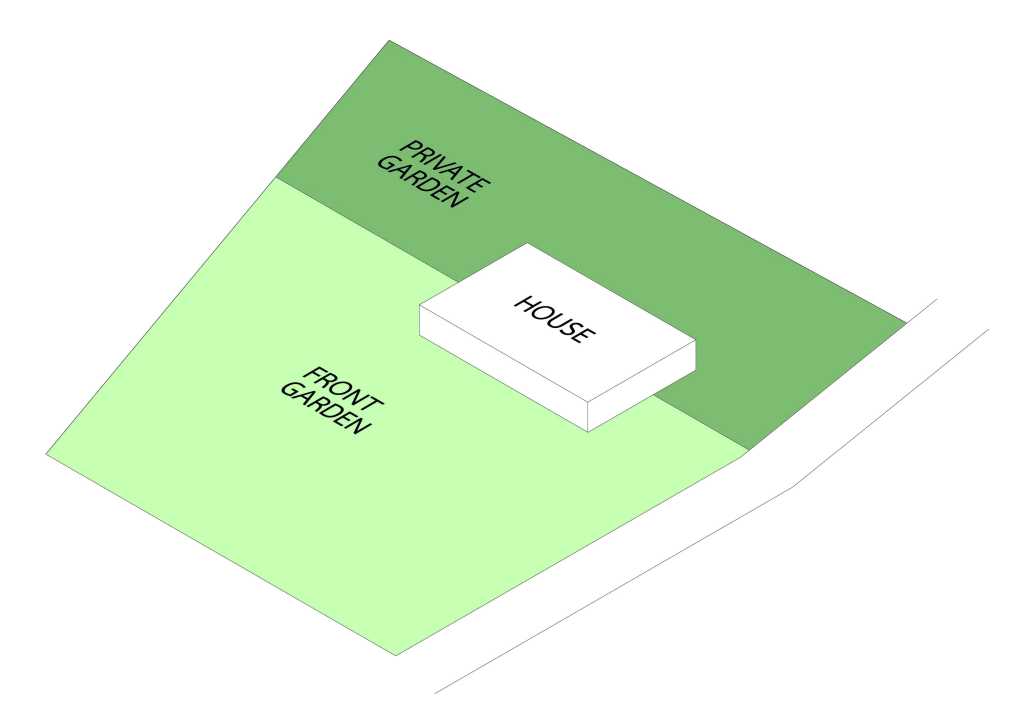
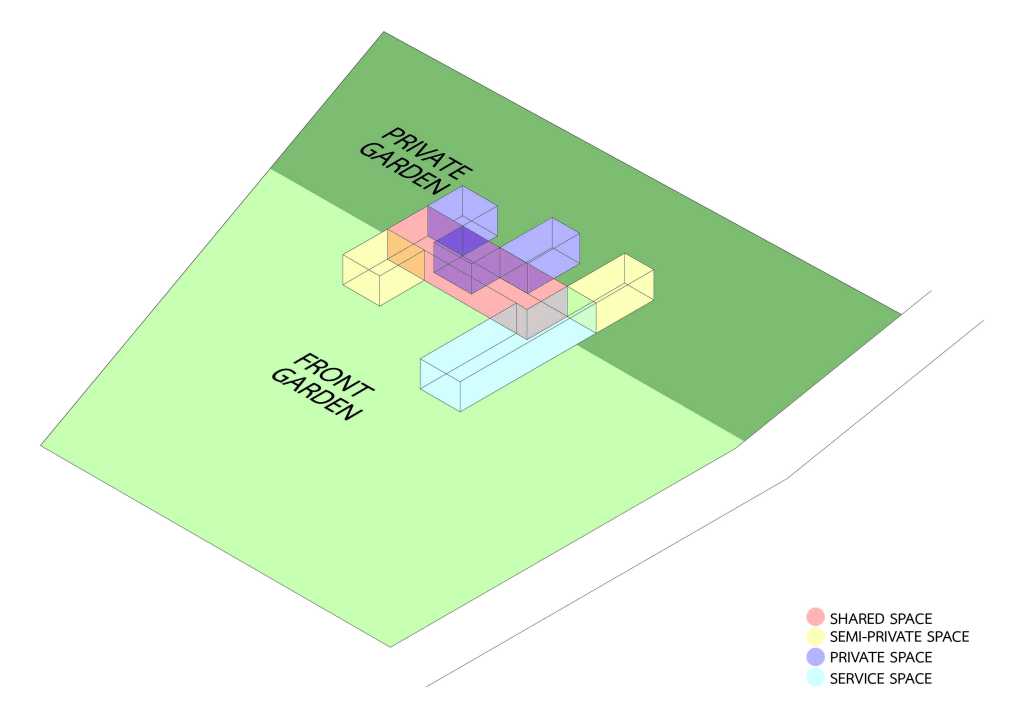
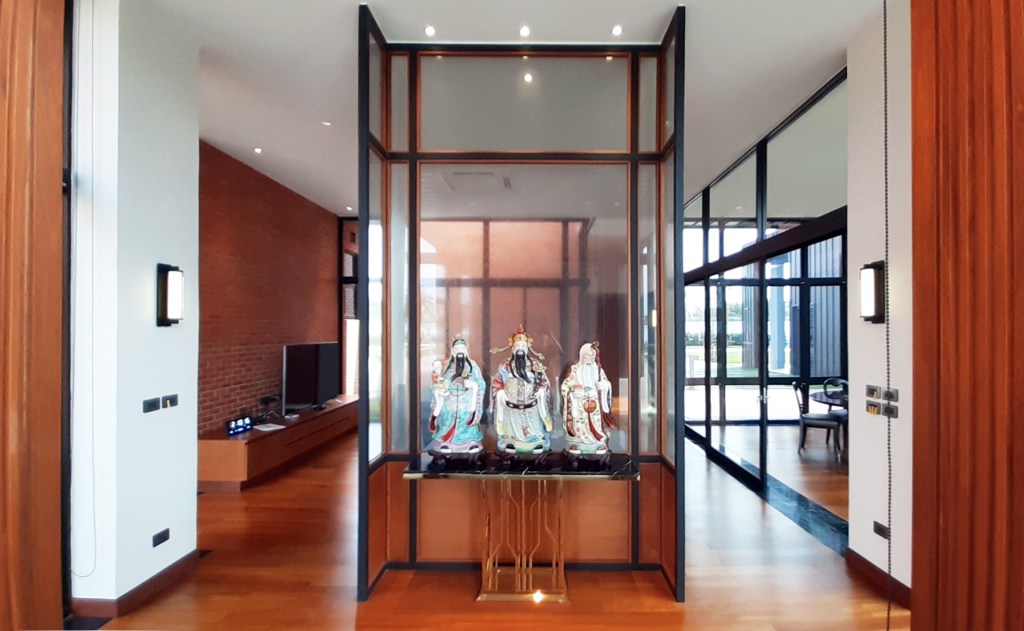
The location of the house on the site, the locations and dimensions of the bedroom of each family member, and the locations of sacred spaces, i.e. Buddhist altar room and spirit house, are designated according to the client’s requirements, conventional design principles, and Feng Shui. As long as the design possibilities from these three separate criteria do not against each other, adjustments can be made within an acceptable range of each criterion to achieve the most appropriate overall outcome. An example of how we use this design methodology is how we design the house’s plan. Following initial ideas of layout zoning that leave the front half of the plot empty for business purposes and placing the house between two gardens for privacy, we take the Feng Shui master’s astrological calculation of the family members’ date and time of birth into account to draft the plan.
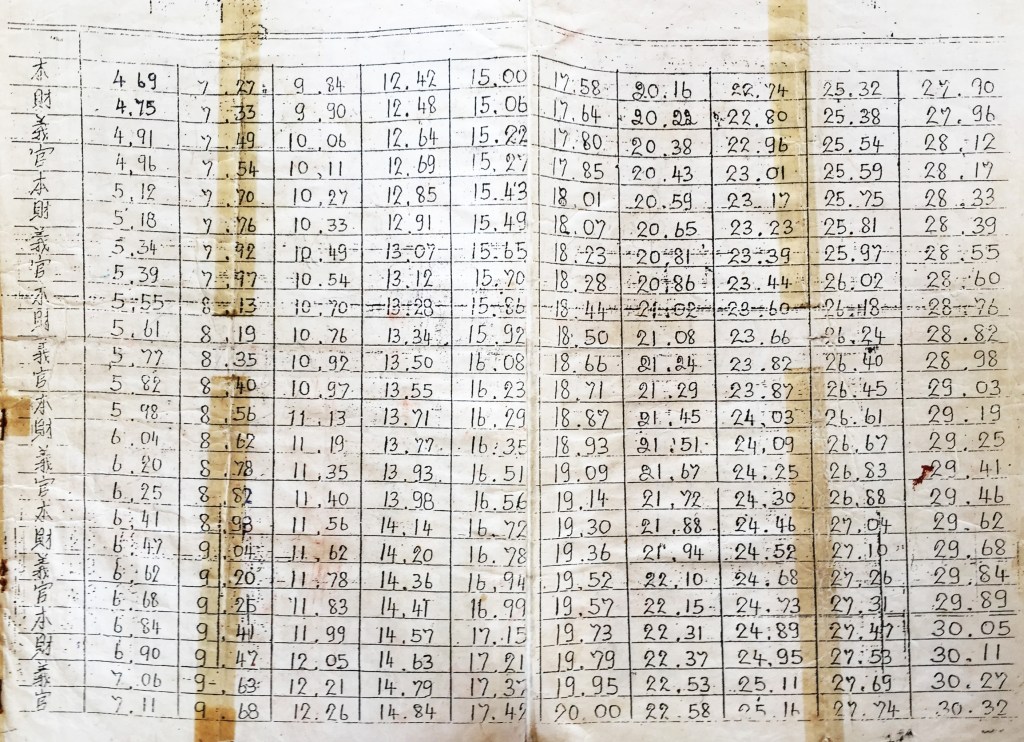
We precisely locate the house at the “belly of the universe” and locate the bedroom of each family member at the most “harmonious” points. Dimensions of rooms are defined by the most auspicious numbers.
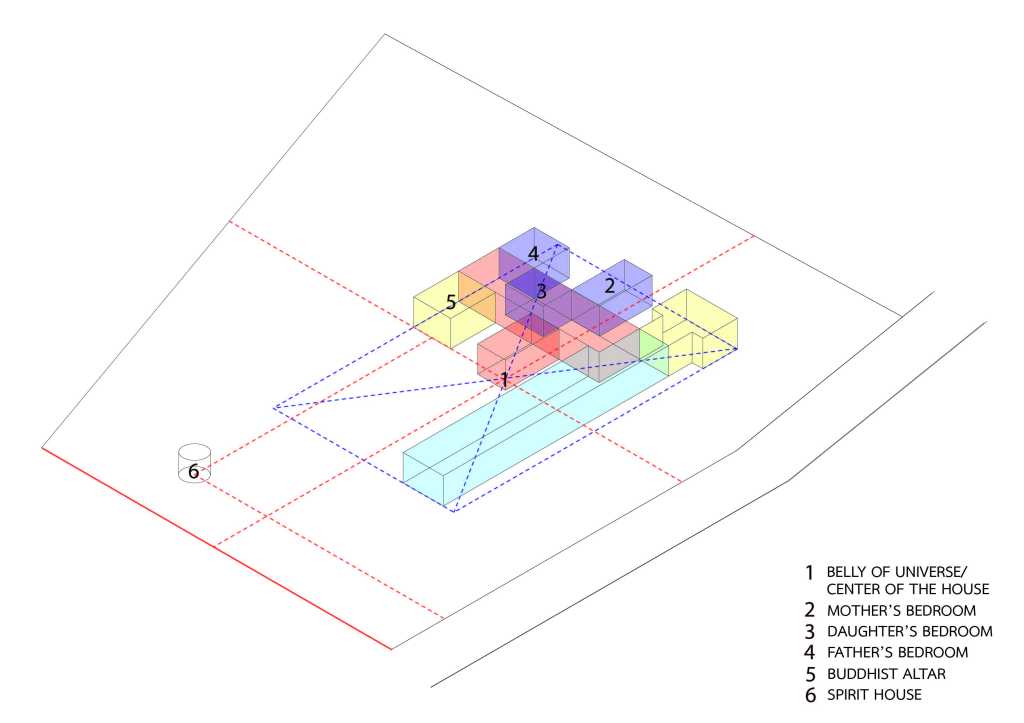
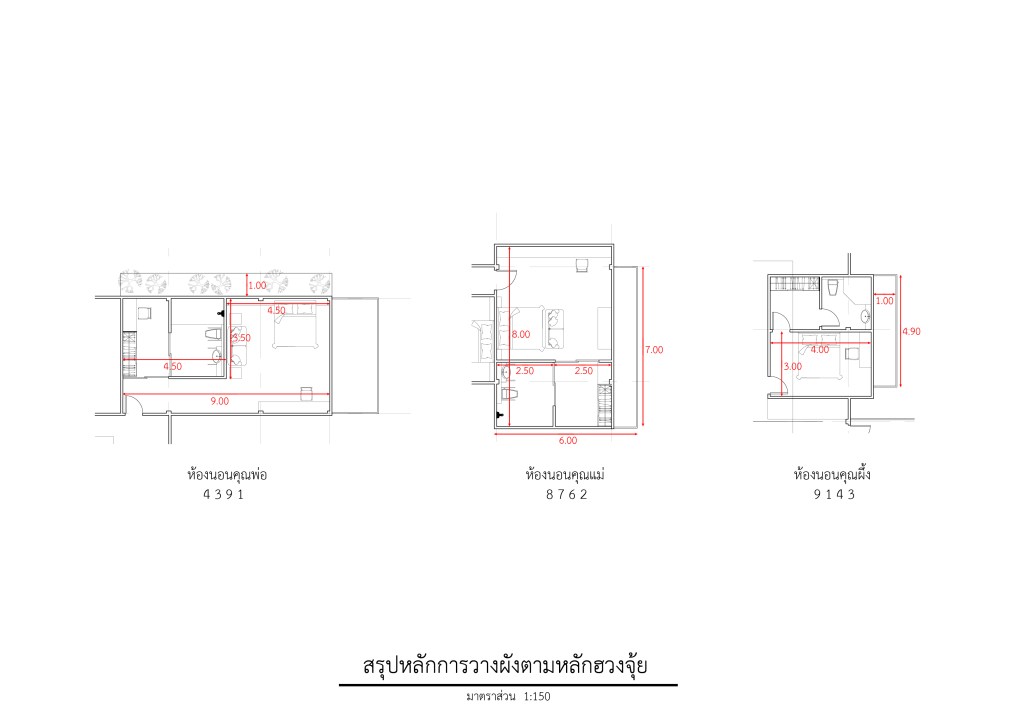
We also respond to particular requirements of the family members. For examples, some of them really want solitude atmosphere. Or the guest room should be as small as possible to prevent guests to feel too comfortable to often stay overnight… Then we evaluate the draft plans again with conventional design principles such as proper zoning, human scale, spatial quality and proportion, balance in 3D composition, and climatic design for examples, to propose the most appropriate final plan.
By doing so, we do not question whether what principle is the best. We do not disdain Feng Shui or beliefs in auspiciousness. In some occasions, we do try to explain a Feng Shui principle by a so-called scientific rationale. But some time we do not need to do so. Sometimes we find that a compromise or a decision need to be made between a choice following Feng Shui and the other following conventional design principles. In that case, we clarify the issues for the client, explaining them pros and cons of each issue and help them to make decisions.
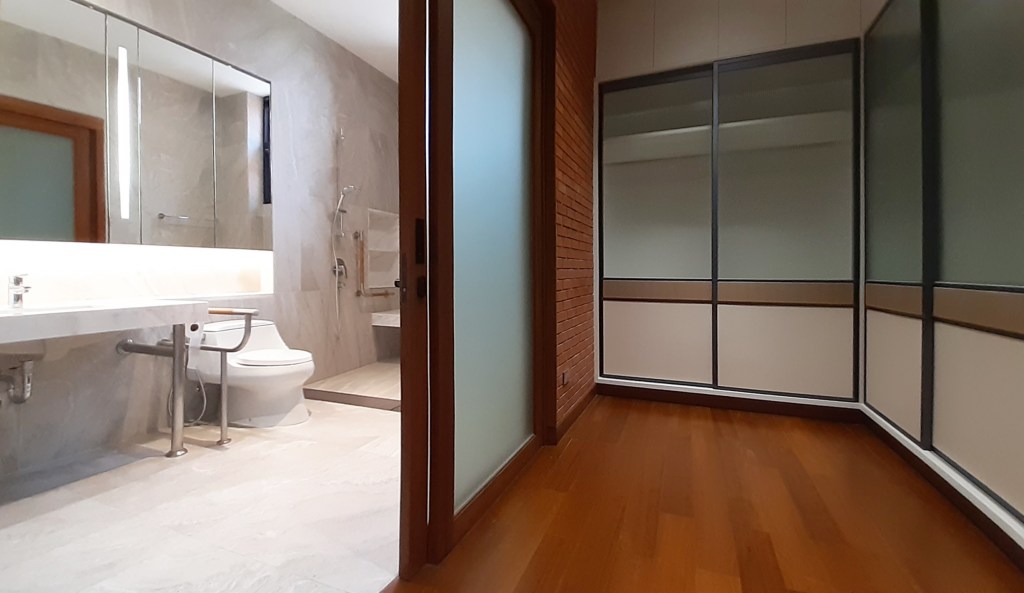
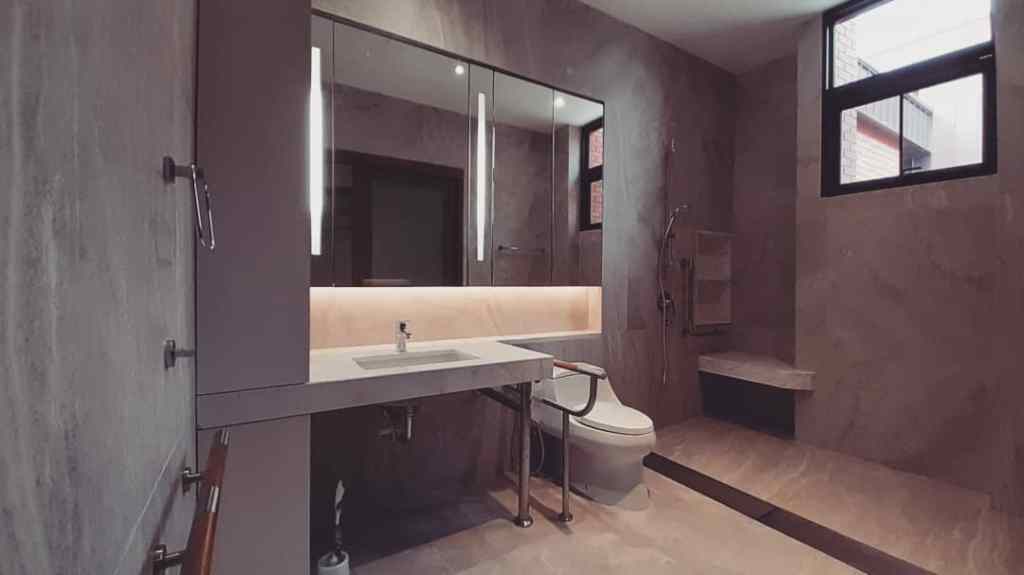
Sometimes though, Feng Shui is little considered even by the clients who strongly believe in Feng Shui. That kind of occasions happen when we consider designs related to limitation of the senior family members’ mobility. In this case, the principle of universal design is considered as the most appropriate. There is no step in this house. Dimensions of spaces are designed to be accessible by wheel chairs. Choices of texture, colours, and the use of special equipments are considered to ensure safety and comfort of the uses.
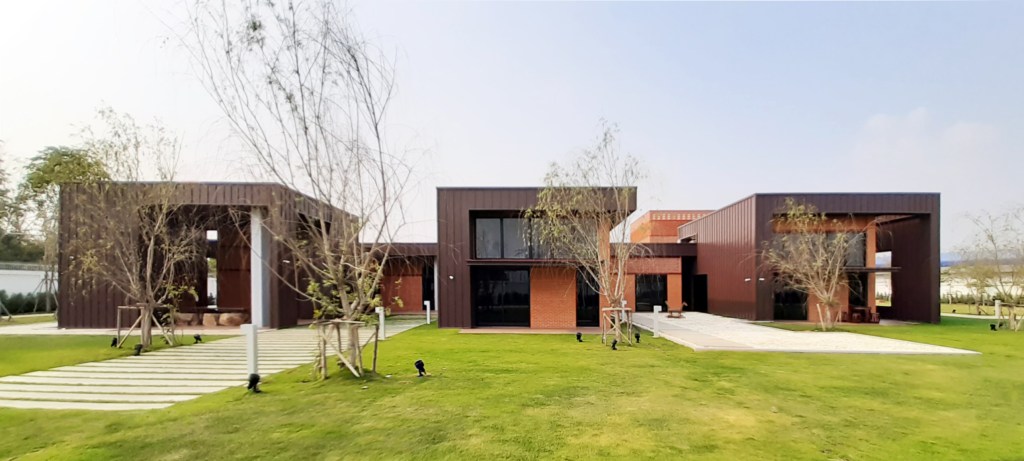
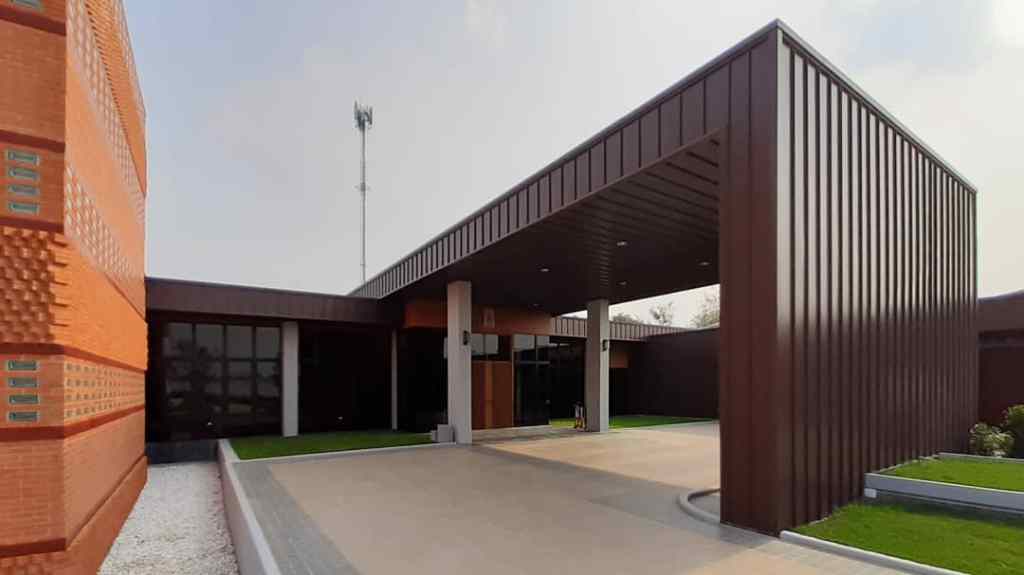
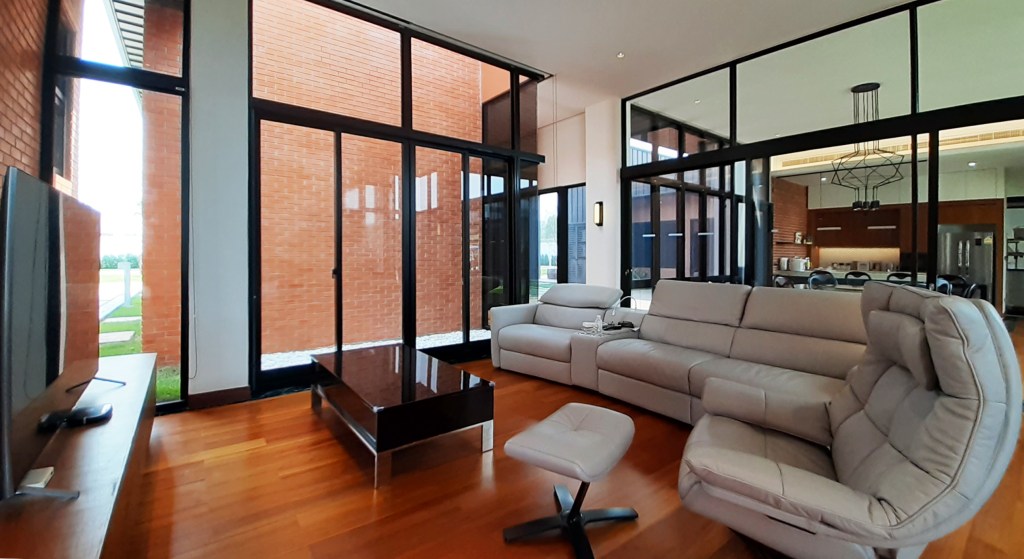
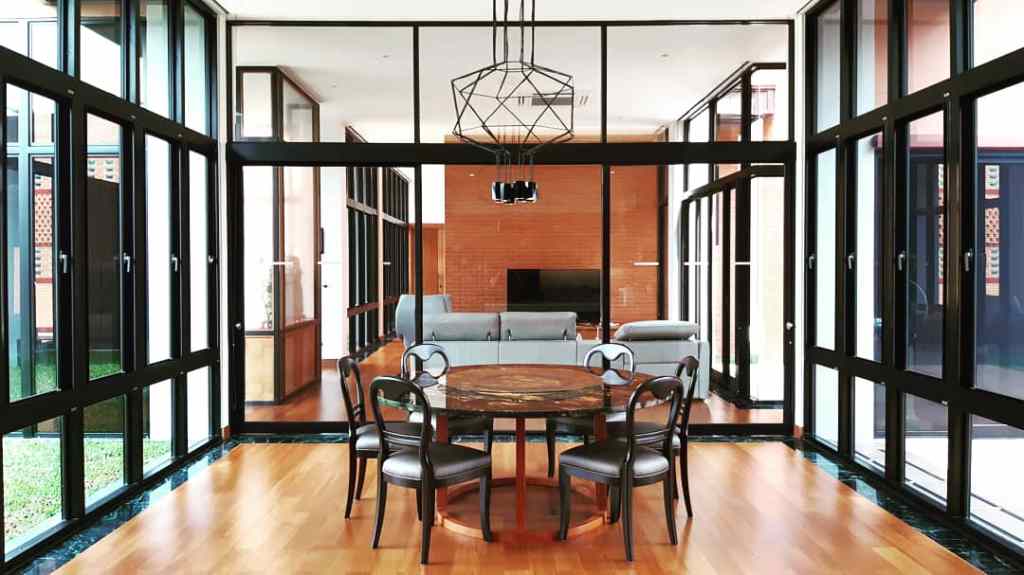
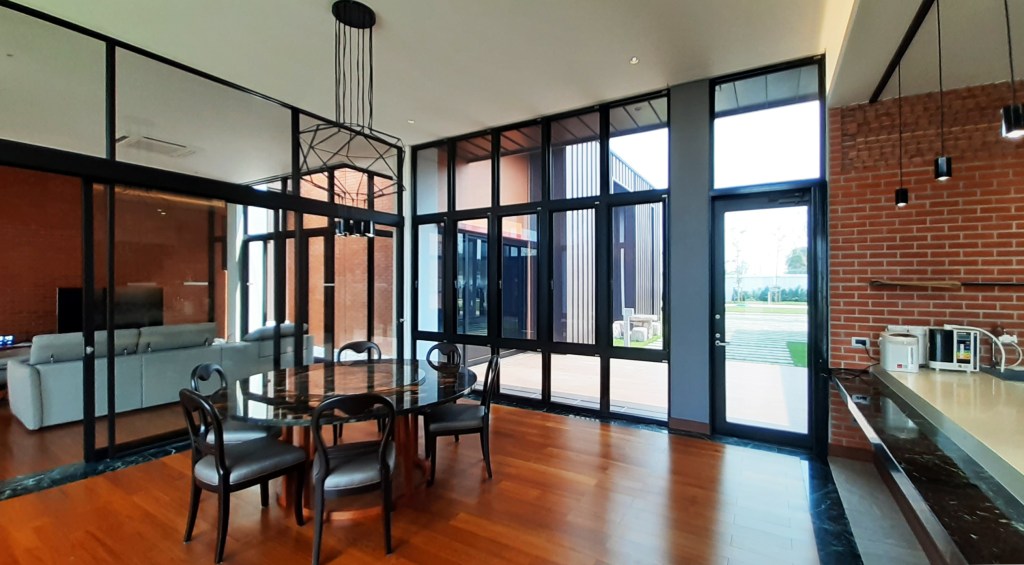
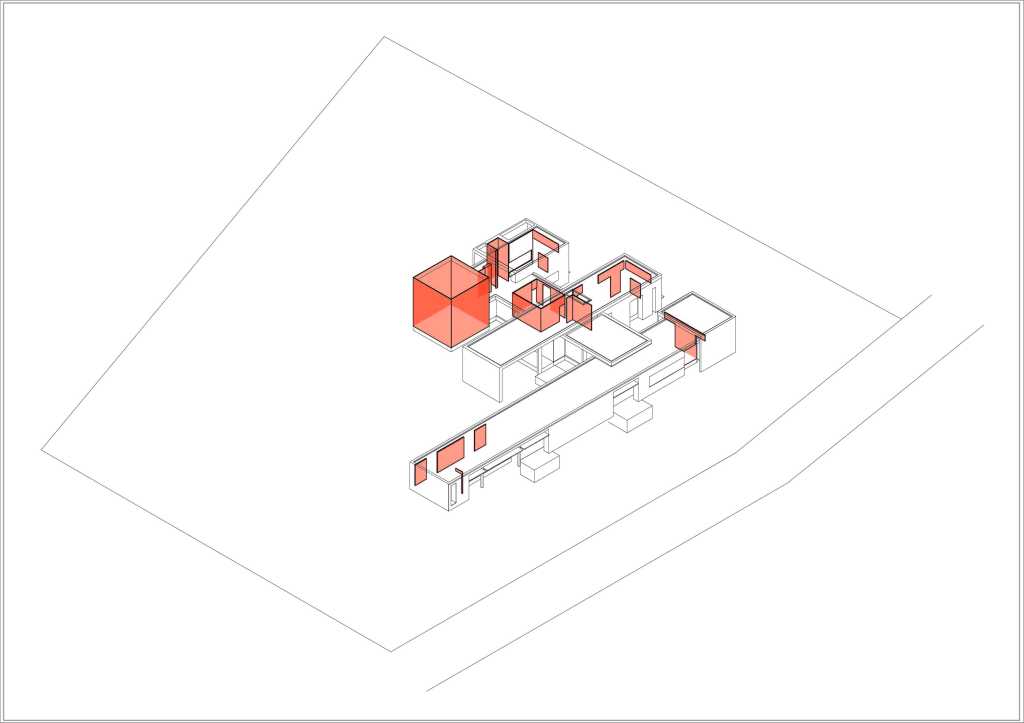
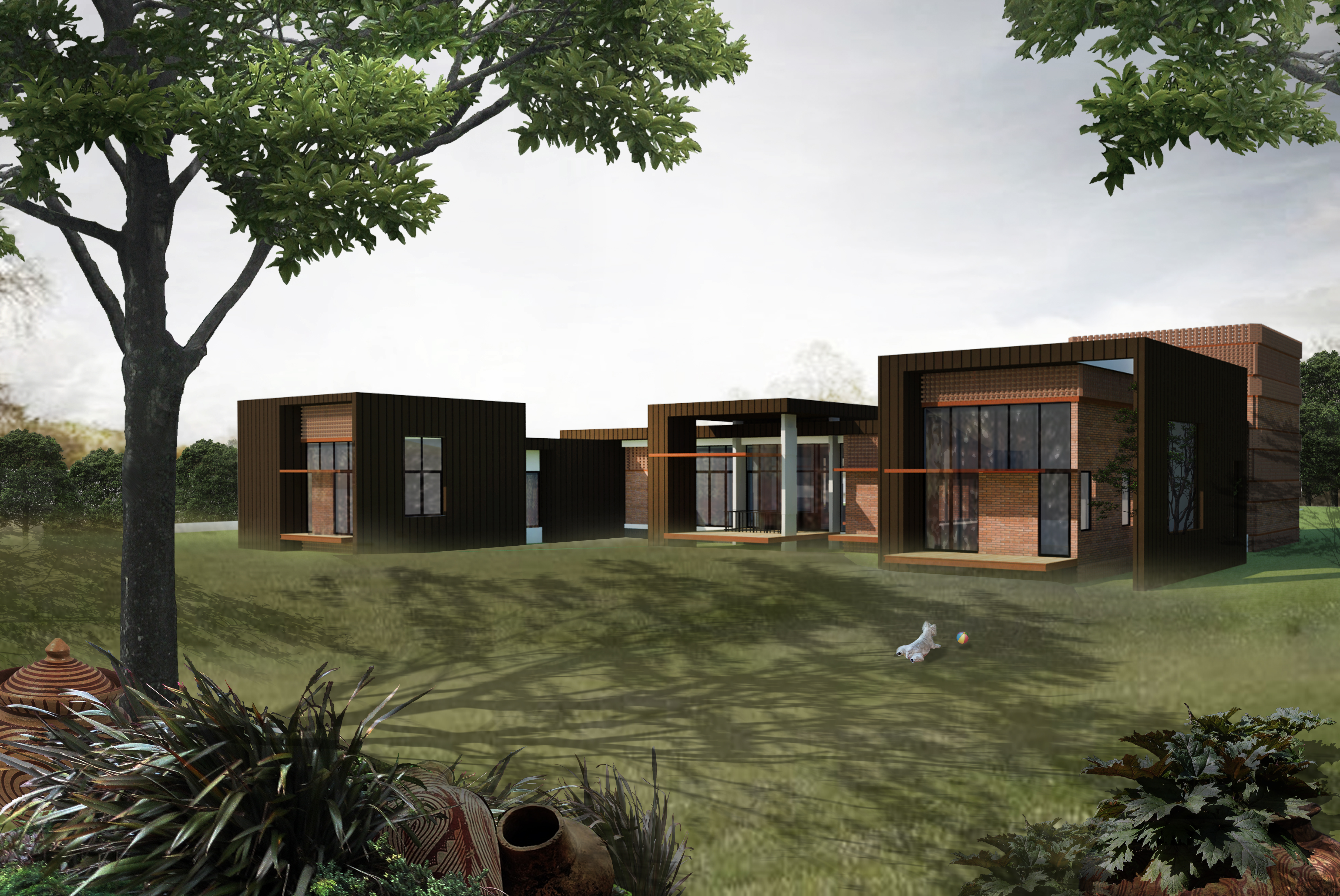
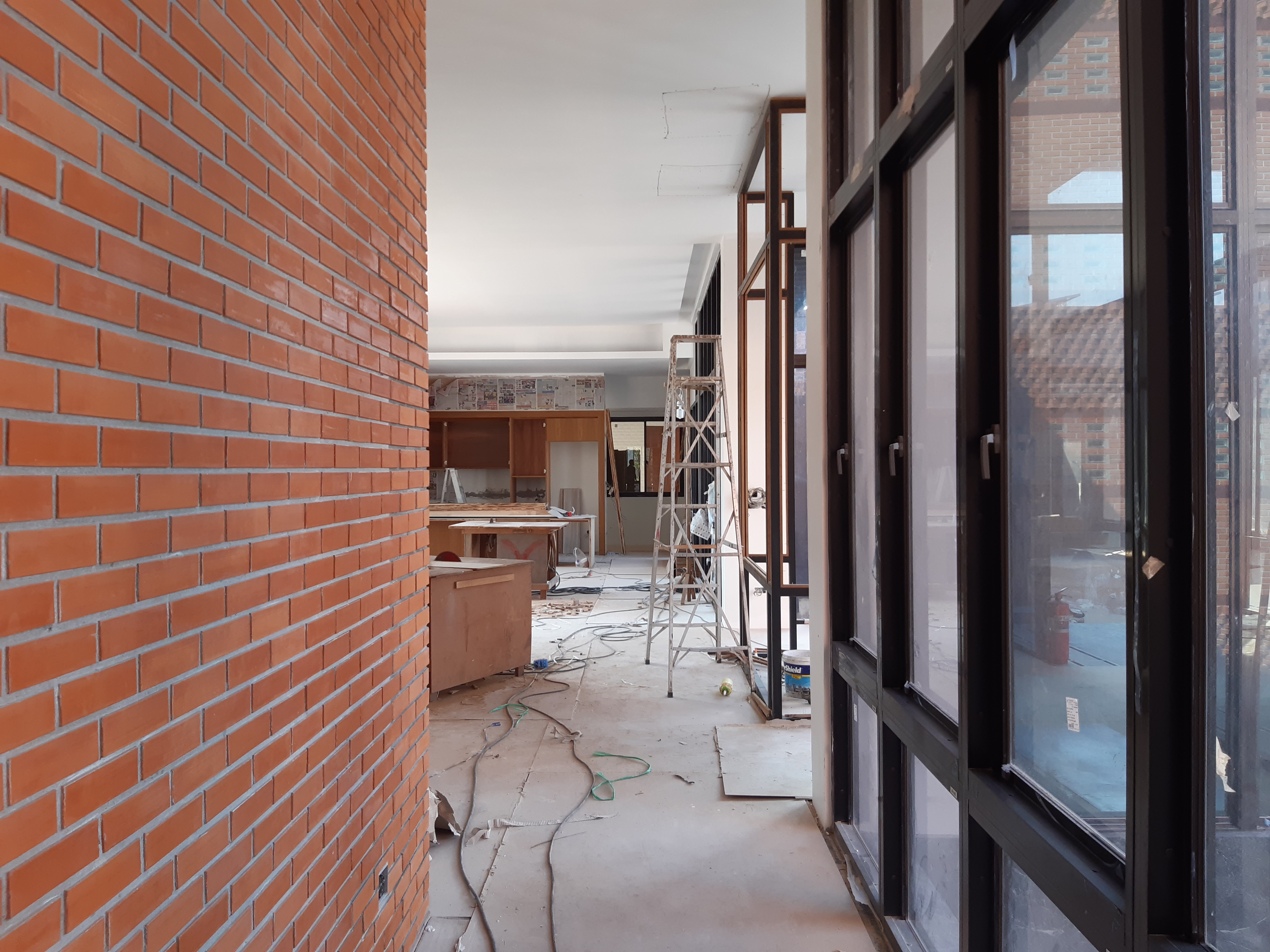
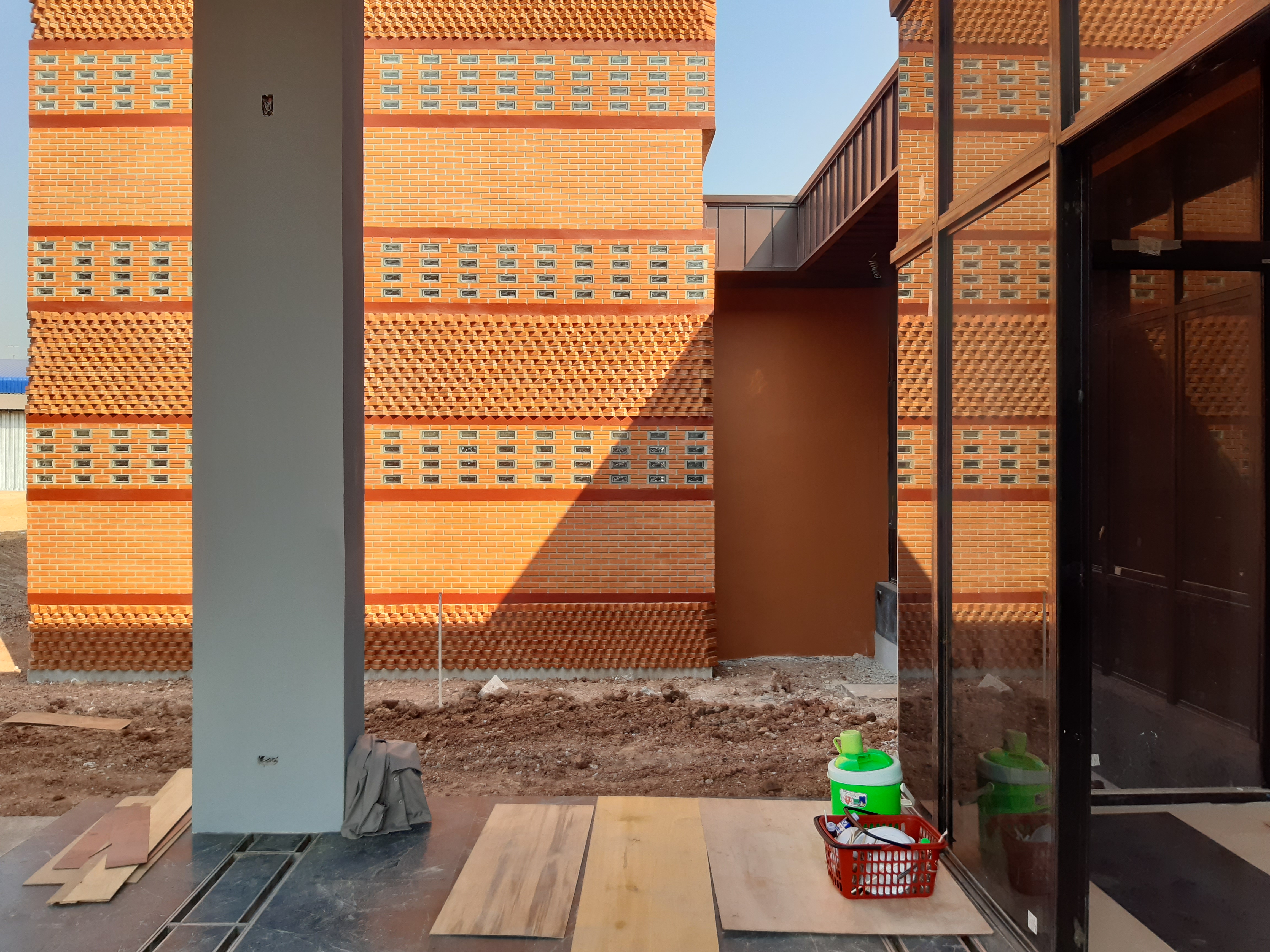
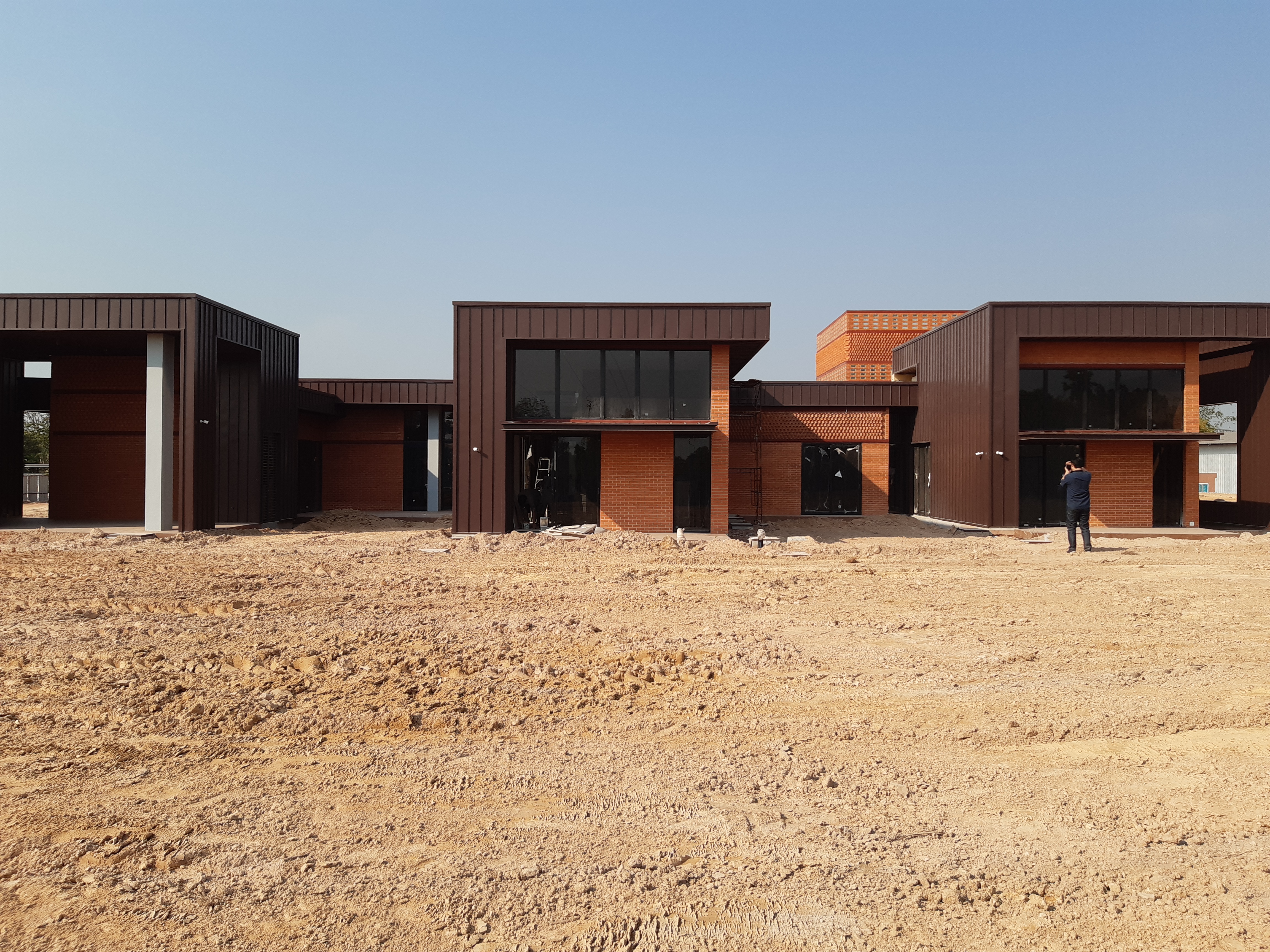
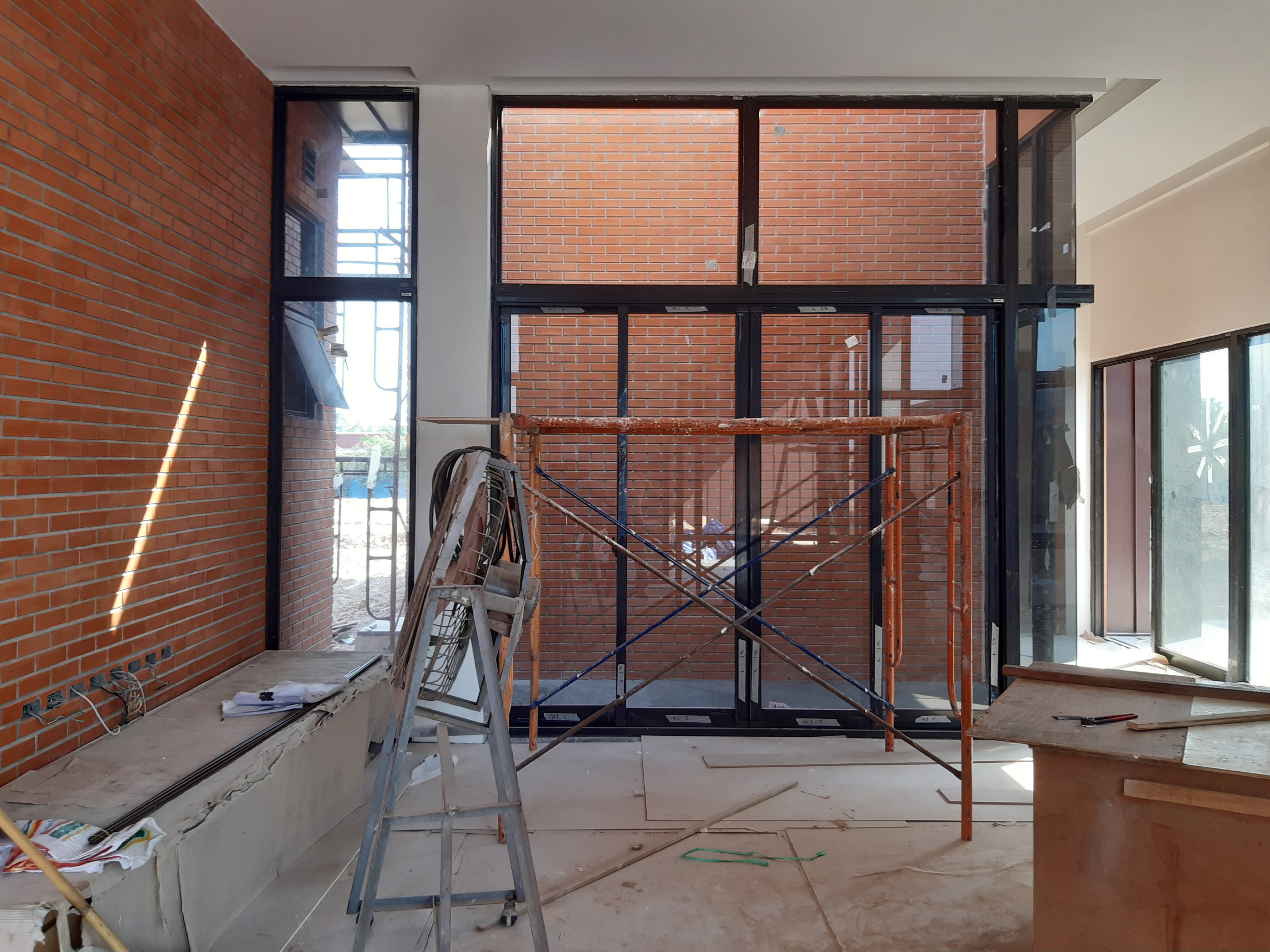
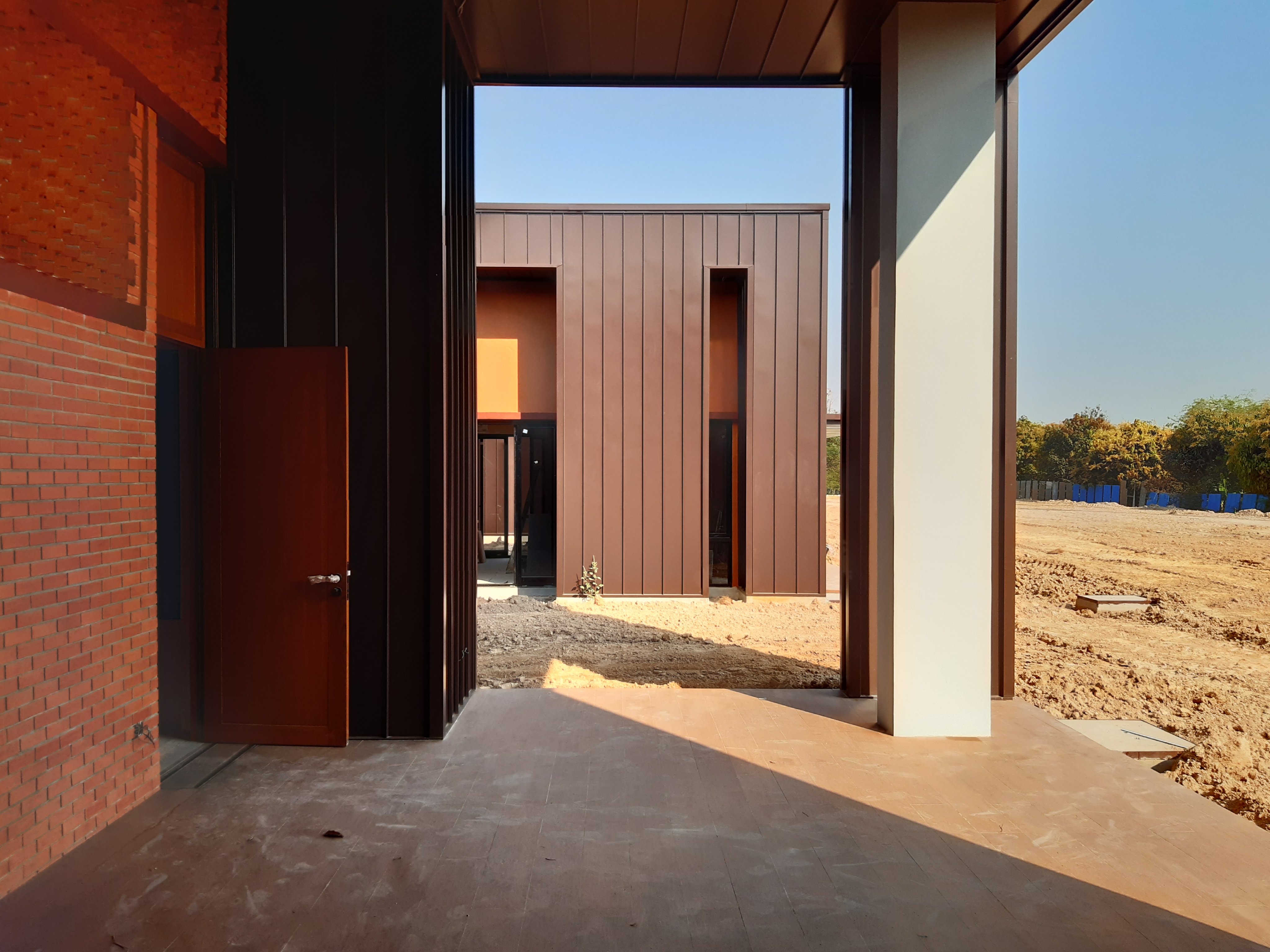
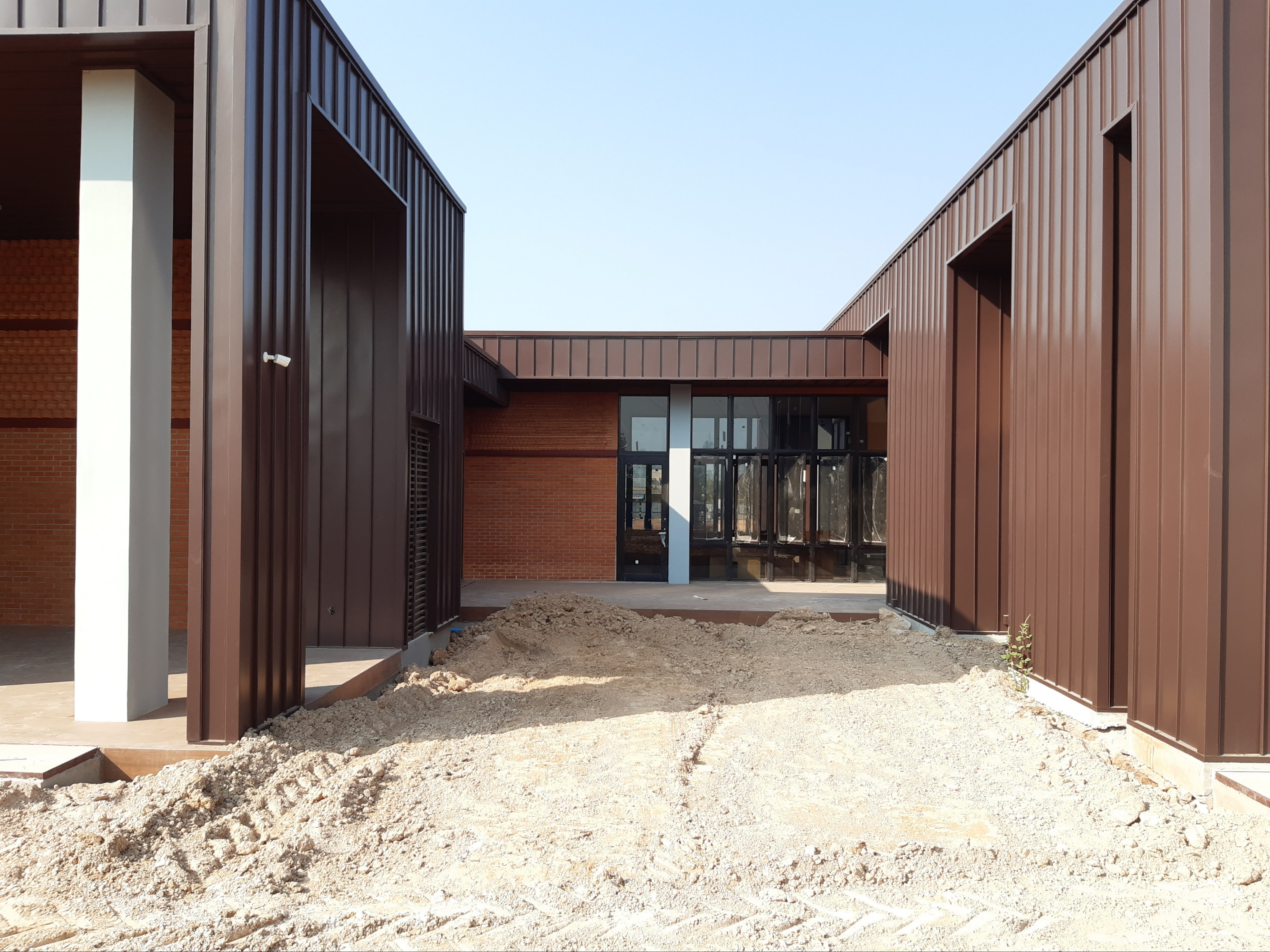
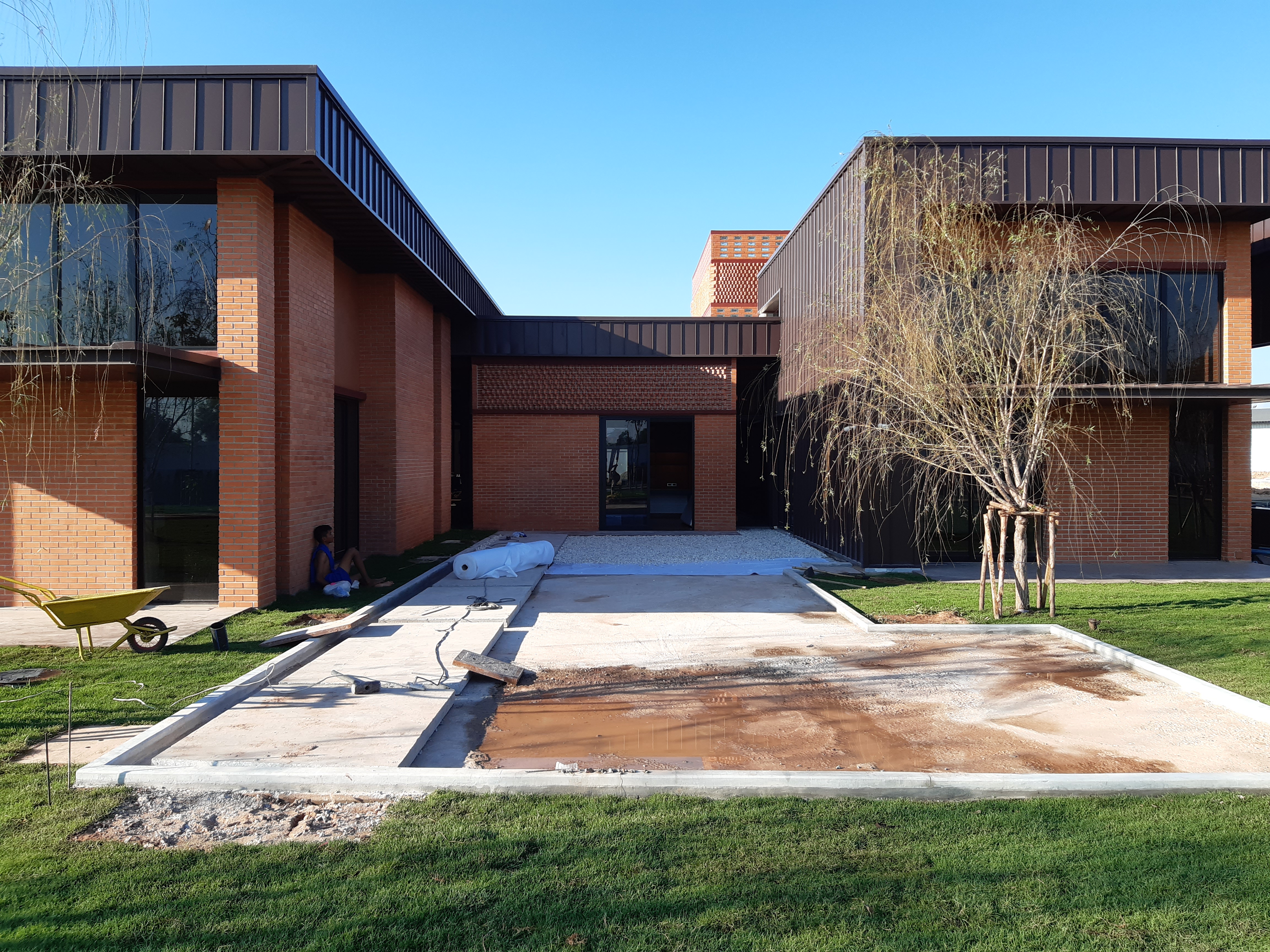
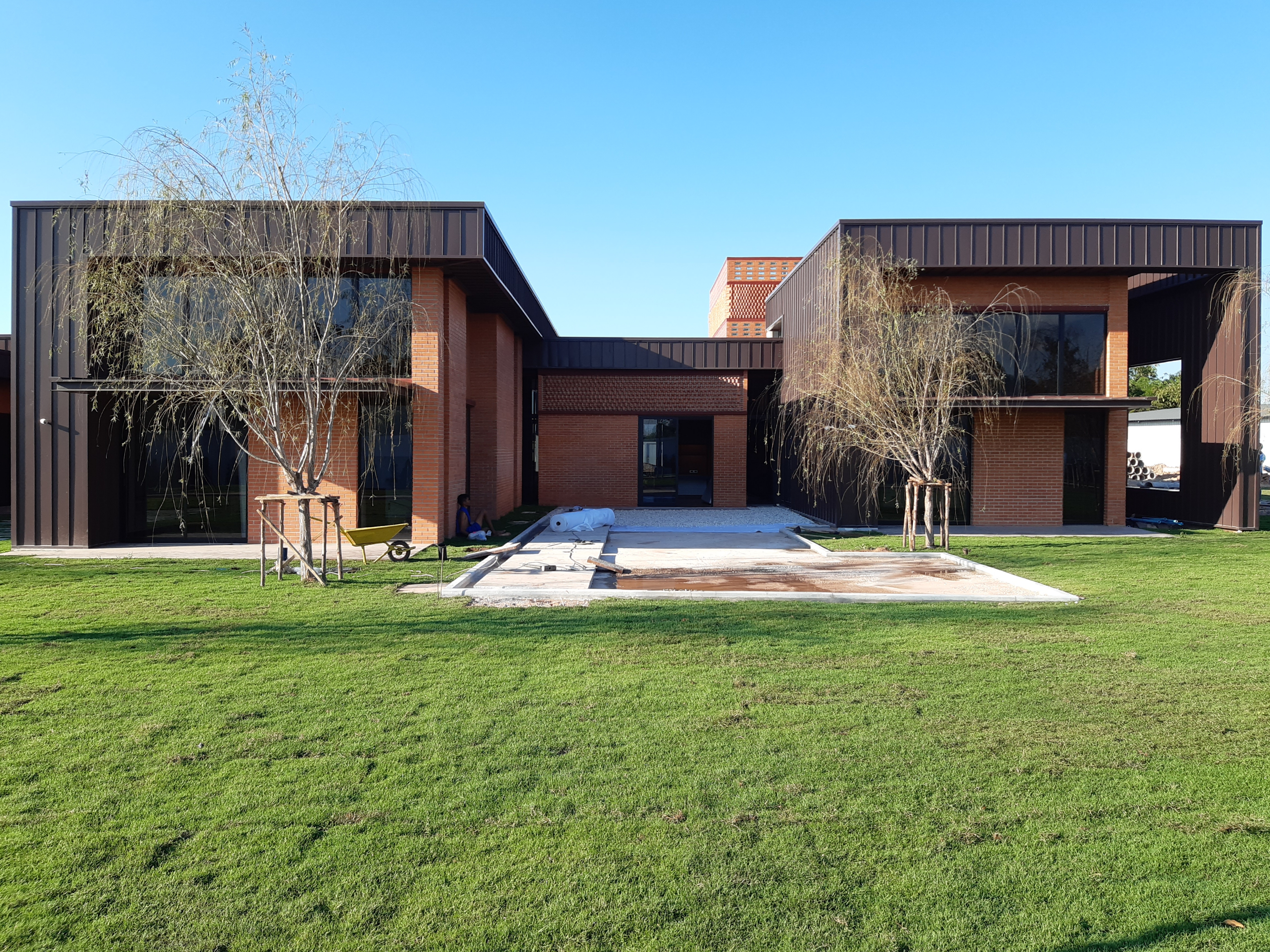
The design outcome of this integrated approach is a single-story house in a garden. The main part consists shared spaces, i.e. connected living room, dining room, and pantry, forming the main axis. Extruding from different locations of this axis are the semi-private shared spaces such as a game room and a party balcony, private spaces such as bedrooms, the Buddhist altar room, and the service quarter. Spaces in-between these extruding spaces are gardens. The private spaces are enclosed with brick walls with opening to particular views of the gardens that maintain privacy yet allowing some visual connections to the spaces of each member’s choice. Shared spaces are mostly opened and connected between each other and/or terraces, balconies, and gardens. They are wrapped with metal sheet planes, whose opaque parts ensure the residents’ privacy from unpredictable surrounding and opening parts open the space towards private gardens.
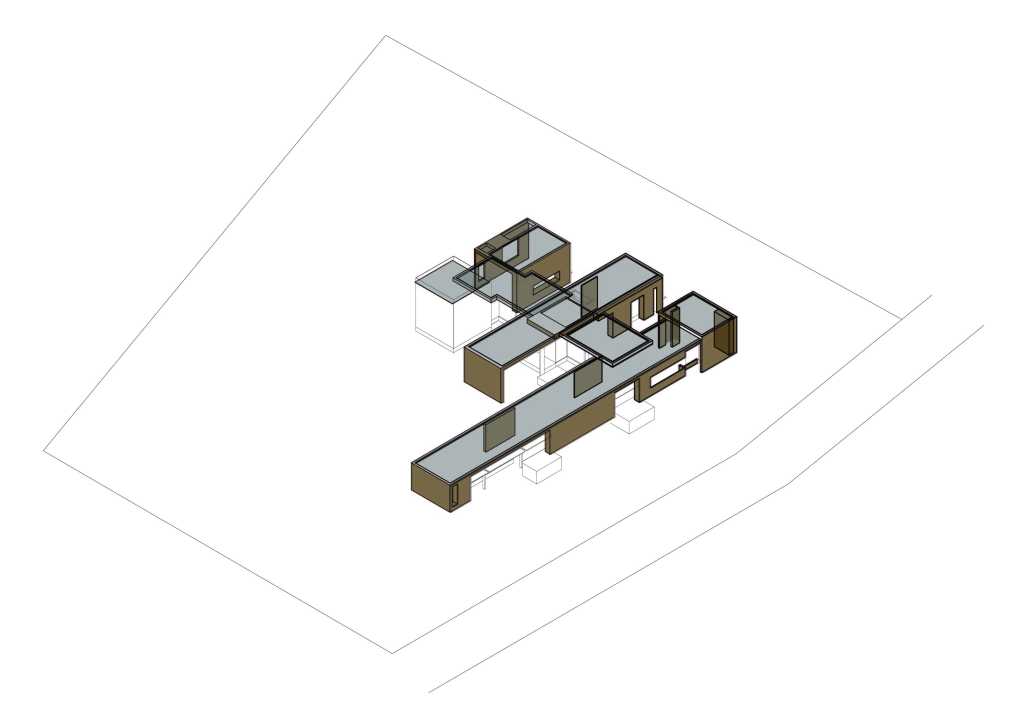
This house is an exploration of how to design a contemporary house for both younger and elder family members by integrating both traditional and modern design principles to embrace both the security and comfort of good memory and progressiveness and excitement of the future.
 DRFJ
DRFJ 